The landscape of Bahamian real estate is shifting rapidly. As global trends favor convenience and community, mixed-use property projects in the Bahamas are emerging as the most lucrative and sustainable investment vehicles in the region.
From the luxury enclaves of Paradise Island to the developing frontiers of the Family Islands, single-purpose developments are making way for integrated ecosystems. This guide explores why mixed-use models are the future of Caribbean development and how you can capitalize on this growing demand.
Quick Summary
Mixed-use developments combine residential, commercial, and leisure spaces into one integrated project. In the Bahamas, these projects offer developers higher ROI through diversified revenue streams and attract modern buyers seeking walkable, self-contained communities. Key locations include Nassau, Grand Bahama, and Eleuthera.
The Evolution of Bahamian Real Estate
The Shift Toward Integrated Development
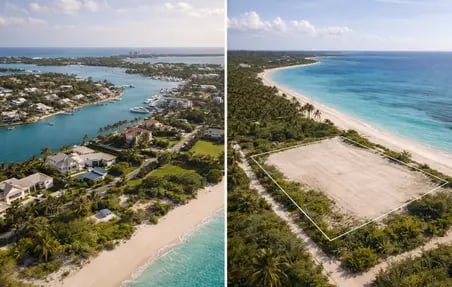
For decades, Caribbean real estate focused on standalone resorts or gated residential communities. However, isolation is no longer the primary selling point. Today's market demands connectivity. Mixed-use models are replacing single-purpose projects because they create vibrant, year-round destinations rather than seasonal ghost towns. By blending retail, dining, and workspaces with housing, developers create a "sticky" environment where residents and visitors stay longer and spend more.
Why Mixed-Use Fits the Bahamian Market
The Bahamas is uniquely positioned for this shift. High tourism traffic supports the commercial components, while the growing expat community drives residential demand. Furthermore, in an island nation where land is finite, density matters. Vertical, mixed-use solutions maximize land value while preserving the natural beauty that draws visitors in the first place.
Understanding Mixed-Use Property in The Bahamas
What Defines Mixed-Use Development?
A true mixed-use property in The Bahamas integrates at least three distinct uses, typically residential, commercial (retail/office), and leisure (hospitality/entertainment), into a cohesive design. It’s not just about placing a shop next to a condo; it’s about creating functional synergy where each component supports the others.
Investor and Resident Value Proposition
-
For Residents: Unmatched convenience. The ability to grab coffee, work remotely, and hit the gym without leaving the property.
-
For Investors: Revenue layering. Income isn't solely dependent on vacation rentals; it’s bolstered by commercial leases and retail turnover, providing cash flow stability during off-peak tourism seasons.
Mixed-Use vs Traditional Development
Traditional developments rely on a single asset class, making them vulnerable to market fluctuations. If tourism dips, a resort suffers. In a mixed-use project, if tourism dips, the long-term residential and local commercial sectors act as a hedge, keeping the asset profitable.
Key Drivers of Mixed-Use Growth
Economic Diversification Strategy
The Bahamian government recognizes the risk of over-reliance on tourism. Mixed-use projects that include office spaces or tech hubs encourage economic diversification, attracting international businesses and digital nomads who contribute to the local economy year-round.
Modern Living and Work Trends
The post-pandemic world has blurred the lines between living, working, and playing. Buyers now seek "15-minute communities" where essential services are within walking distance. Mixed-use property projects in the Bahamas answer this call by creating self-contained micro-cities.
Efficient Land Use and Urban Planning
-
Density Optimization: Stacking functions allows for higher density without feeling crowded.
-
Shared Infrastructure: Parking, utilities, and security costs are distributed across multiple asset classes, lowering operational overhead.
-
Placemaking: Creating a destination improves the value of the surrounding real estate.
Government Vision and Policy Support
Recent policy shifts favor developments that contribute to infrastructure and community growth. Projects that offer public amenities or commercial hubs often face a smoother approval process compared to exclusive, gated enclaves.
Development Considerations in The Bahamas
Regulatory and Approval Framework
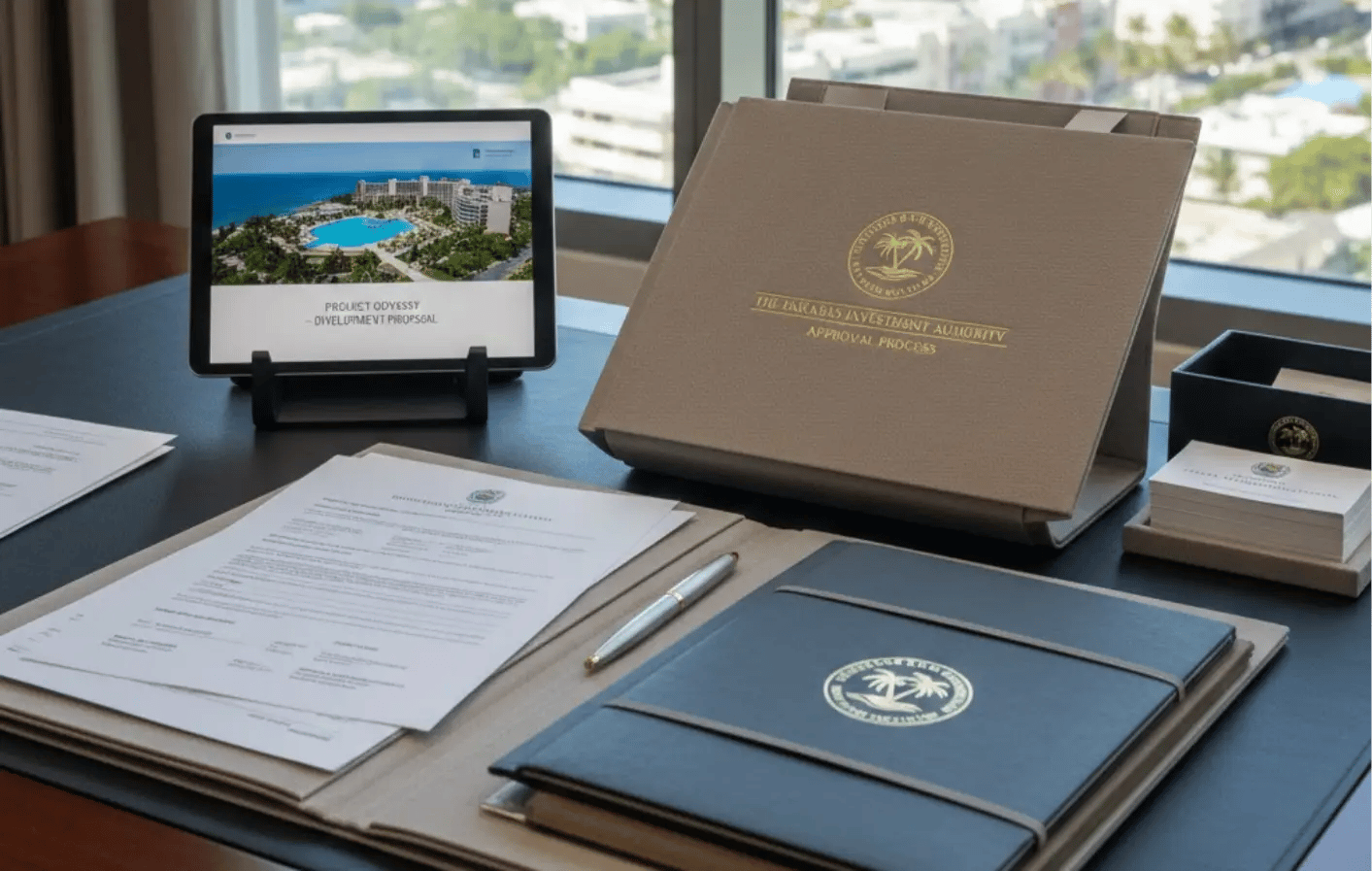
Navigating the Bahamian investment landscape requires understanding the Bahamas Investment Authority (BIA). Mixed-use projects often require specific zoning variances. Early engagement with local planning boards is critical to ensure your density and usage plans align with national goals.
Infrastructure and Utility Planning
Power and water reliability are paramount in island developments. Successful mixed-use projects often incorporate:
-
Solar microgrids for energy independence.
-
Reverse osmosis water systems.
-
High-speed fiber optic connectivity to support commercial tenants.
Market Demand and Feasibility Analysis
Don't just build it and hope they come. Feasibility studies must analyze the absorption rates of residential units and the commercial viability of retail spaces. Is there enough foot traffic to support a restaurant? Is there enough local demand for office space?
Investment Potential of Mixed-Use Property
Long-Term Value and Yield Stability
Mixed-use assets historically hold their value better than single-sector assets. The diversity of tenants from residential leases to commercial anchors smooths out cash flow volatility, offering a more stable yield for institutional investors.
Tax Efficiency and Incentives
The Bahamas offers attractive incentives, particularly under the Hotels Encouragement Act, which can sometimes extend to mixed-use projects with a hospitality component. This can include duty-free importation of construction materials, significantly lowering capital expenditure.
Risk Reduction Through Asset Diversity
If the residential market cools, the commercial side may heat up. If retail struggles, long-term leasing remains steady. This built-in hedging mechanism is the primary reason smart money is moving toward mixed-use property projects in The Bahamas.
Geographic Hotspots for Mixed-Use Projects
Nassau & Paradise Island
The capital remains the hub for high-density, luxury mixed-use. Projects here cater to cruise tourism, high-net-worth residents, and the financial services workforce.
Grand Bahama
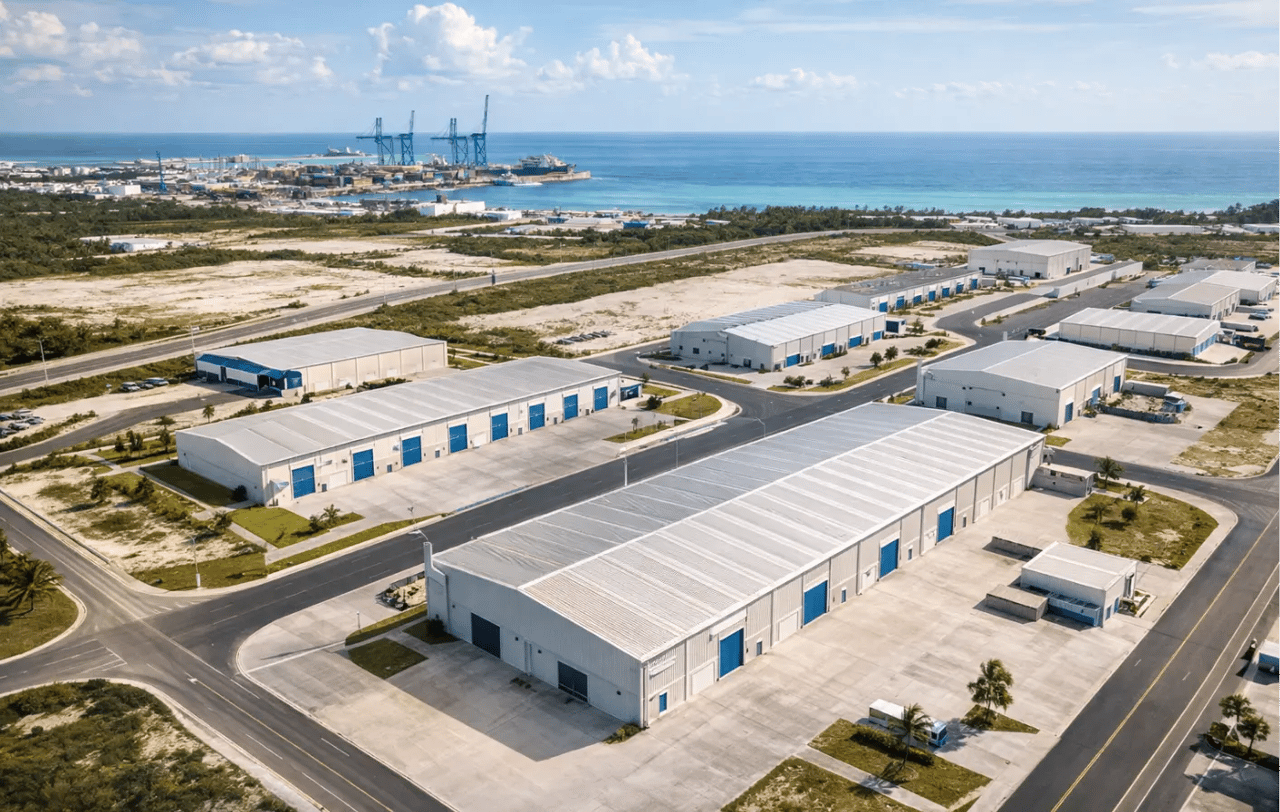
With its robust infrastructure and free trade zone, Grand Bahama is ripe for redevelopment. Mixed-use here often leans towards industrial-commercial blends with residential components for expats.
Eleuthera, Abaco & Exumas
The Family Islands are seeing a surge in "boutique mixed-use." Think smaller footprint: a marina anchored by a village center with condos above retail, preserving the island vibe while adding modern amenities.
The Future of Integrated Living
Sustainable and Resilient Design
Future projects must be climate-resilient. This means building above storm surge levels, utilizing wind-resistant construction, and integrating green spaces that manage stormwater naturally.
Smart Communities and Technology
The next generation of mixed-use property in The Bahamas will be "smart." Integrated apps for residents to book amenities, order food from on-site retail, and manage utilities will become standard.
Conclusion
Mixed-use developments represent the maturity of the Bahamian real estate market. They offer a sophisticated solution to modern lifestyle demands, provide robust returns for developers, and create lasting value for the community. For investors looking to make a significant impact, the path forward lies in integration.
FAQ
1. Can foreigners develop mixed-use property in The Bahamas?
Yes, international investors are encouraged to develop. However, you must register with the Bahamas Investment Authority and acquire a "Certificate of Registration" for large commercial projects.
2. What is the minimum investment for permanent residency?
While buying a home of $750,000+ qualifies for accelerated consideration, developers investing in large-scale mixed-use projects may have different eligibility criteria for key personnel and investors.
3. Are there tax breaks for building mixed-use developments?
Yes. Developers can often apply for concessions under the Hotels Encouragement Act or specific Family Island Development Encouragement Acts, which offer duty exemptions on materials.
4. Which island is best for new mixed-use developments?
Nassau offers the highest immediate demand and infrastructure. However, Eleuthera and Exuma offer higher growth potential for boutique, lifestyle-oriented projects.
5. How long does the approval process take?
It varies by scale and location, but developers should budget 6-12 months for environmental (BEST Commission) and planning approvals for complex mixed-use sites.