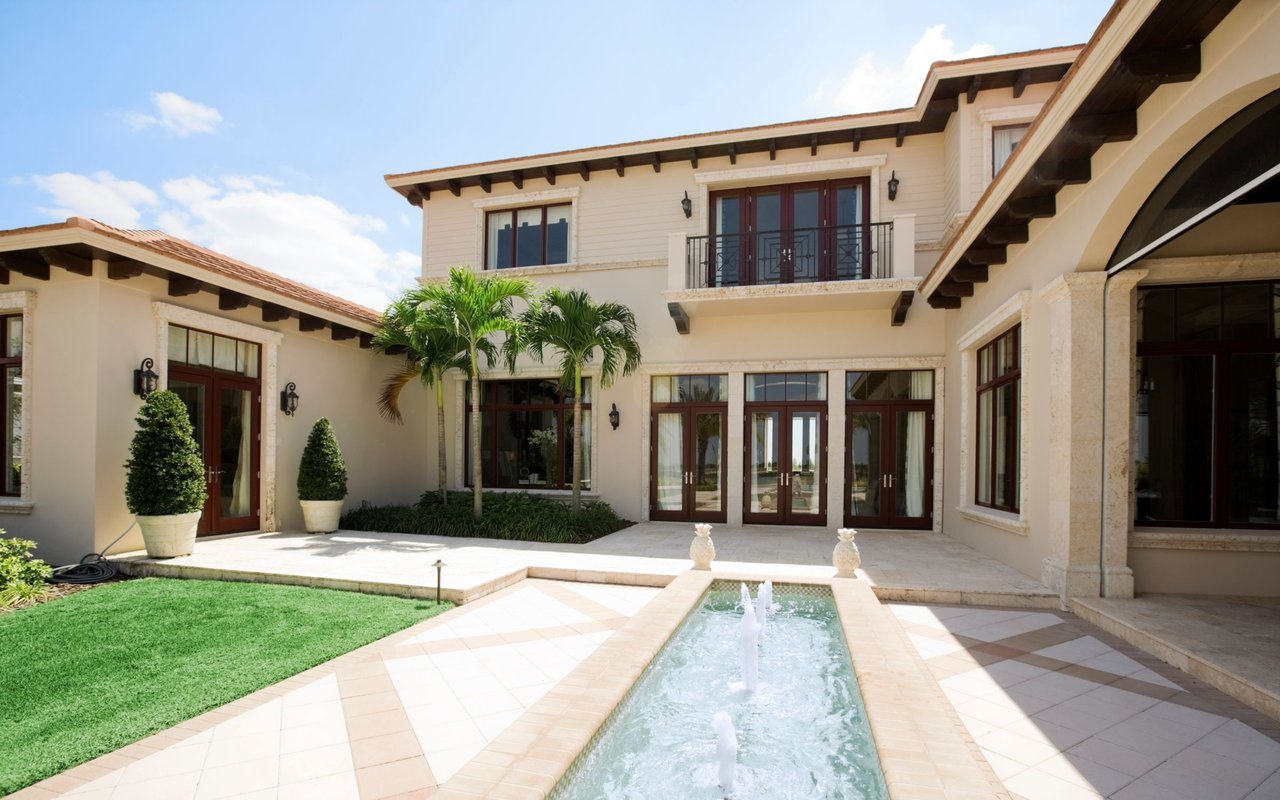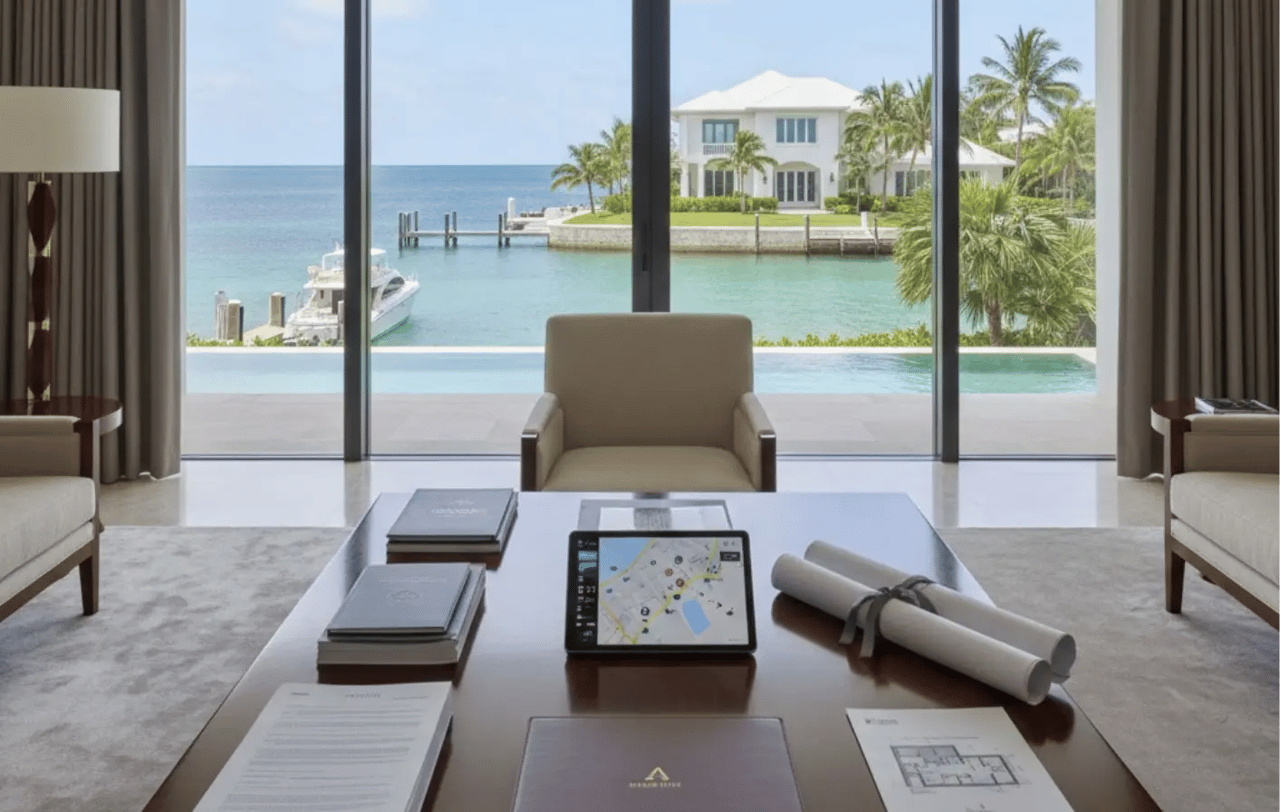
Looking for the perfect retail space in the Bahamas to launch or expand your business? Whether you're eyeing a boutique in Nassau or a storefront in Freeport, this guide breaks down everything you need to know about leasing commercial property in this thriving Caribbean hub.
The Bahamas isn't just a vacation destination; it's a bustling economy with high consumer spending driven by millions of tourists annually. From high-end luxury malls to local shopping plazas, finding the right location is the first step toward business success.
Quick Summary
-
Best Locations: Nassau (New Providence) for high foot traffic; Freeport (Grand Bahama) for industrial/commercial mix.
-
Costs: Varies significantly by island and proximity to tourist zones.
-
Requirements: Business license, shop license, and standard financial documentation are mandatory.
-
Process: Engage a local broker, tour sites, and negotiate lease terms carefully (including CAM charges).
Unlocking Retail Potential in The Bahamas
The Bahamas offers a unique proposition for retailers: access to a wealthy local population mixed with a massive influx of international tourists. This dual market makes retail space in The Bahamas a lucrative asset for brands ranging from luxury fashion to local artisanal goods.
Why invest here? The political stability, tax-friendly environment, and established tourism infrastructure reduce the risks typically associated with island expansion.
What This Guide Covers: Your Retail Leasing Blueprint
This guide is designed to help you navigate the Bahamian market with confidence. Here is what you will learn:
-
Location Strategy: How to choose between New Providence, Grand Bahama, and the Out Islands.
-
Leasing Logistics: Understanding costs beyond the rent, like CAM and utilities.
-
Legal Steps: The documentation and permits required to open your doors.
-
Investment Outlook: Future trends in Bahamian retail.
Understanding the Bahamas Retail Landscape
The Bahamian retail sector is diverse, concentrated heavily in New Providence (where Nassau is located) and Grand Bahama. However, the "Family Islands" or Out Islands are seeing emerging growth in boutique and eco-tourism retail.
Why The Bahamas Is Ripe for Retail Investment
Why should you invest in retail space here? The answer lies in the volume of visitors. With cruise ships docking daily in Nassau and a steady stream of air arrivals, retailers have a captive audience. Furthermore, the local government encourages foreign direct investment (FDI) in specific commercial sectors.
Key Commercial Hubs and Emerging Retail Markets
-
Nassau The heartbeat of commerce. Areas like Bay Street and Paradise Island are prime for high-visibility brands.
-
Freeport: Offers a mix of industrial and commercial retail, often at more competitive rates.
-
Marsh Harbour: A growing hub in the Abacos, rebuilding and expanding its commercial footprint.
Diverse Retail Property Types: Finding Your Fit
-
Shopping Malls: High traffic, higher rent (e.g., Marathon Mall).
-
Strip Plazas: Convenient for locals, offering varied footfall.
-
Resort Retail: Premium spaces within hotel properties (e.g., Atlantis, Baha Mar).
-
Street Retail: Standalone buildings in downtown districts.
The Unique Dynamics of Retail in a Tourism-Driven Economy
Seasonality is a factor. While Nassau stays busy year-round, some locations rely heavily on the "high season" (December to April). High-traffic zones near cruise ports guarantee visibility but come with premium price tags.
Navigating Your Retail Space Needs: A Strategic Approach
Before signing a lease, you need a clear strategy. Don't just pick a space because it looks nice; pick it because the numbers work.
Defining Your Ideal Retail Footprint: Size and Layout
Do you need a 500 sq ft boutique or a 2,000 sq ft showroom? Consider your inventory levels and customer flow. In high-rent areas, efficient use of smaller square footage is key to profitability.
The Criticality of Location: Foot Traffic and Demographics
Data matters. A Downtown Business District location guarantees tourists, while a plaza in Western New Providence might better serve wealthy expats and locals. Match your product to the people walking by.
Assessing Retail Space Features and Amenities
Check the basics before you commit:
-
Parking: Is there enough for your customers?
-
Utilities: Is there a standby generator? (Crucial in island environments).
-
Visibility: Can pedestrians and drivers see your signage clearly?
Budgeting for Your Retail Lease: Beyond the Monthly Rent
Your budget must include more than the base rent. Factor in:
-
CAM Charges: Common Area Maintenance fees for plazas and malls.
-
VAT: Value Added Tax on commercial rentals (currently 10% on leases over a certain threshold).
-
Utilities: Electricity costs in The Bahamas can be higher than on the mainland.
The Retail Leasing Process: A Step-by-Step Guide
-
Define Requirements: Budget, size, and location.
-
Search: Work with a broker to find available commercial listings.
-
Tour: Visit sites to verify conditions and traffic.
-
Offer: Submit a Letter of Intent (LOI).
-
Negotiate: Finalize lease terms and tenant improvements.
-
Sign: Execute the lease and apply for business licenses.
Finding Available Retail Listings
While you can browse the Bahamas MLS, working with local professionals is often faster. Many prime off-market spots are known only to brokers.
The Role of a Specialized Real Estate Broker
A licensed broker from the Bahamas Real Estate Association is invaluable. They understand local zoning, can negotiate lease drafting fees, and know the history of specific commercial landlords.
Essential Documentation and Regulatory Framework
To lease retail space in The Bahamas, you must have your paperwork in order. This ensures you are operating legally and protects your investment.
Key Business Documents Required for Leasing
-
Business Plan: Often required by landlords to prove viability.
-
Financials: Company bank statements or proof of funds.
-
Identification: Passport or National Insurance Card.
-
References: Previous landlord or business references.
Zoning, Permits, and Retail Regulations
You must obtain a business license from the Department of Inland Revenue. Additionally, if you are making renovations, you will need approval from the Ministry of Works.
Investment Potential and Future Outlook
The retail landscape is evolving. As e-commerce grows, smart retailers in The Bahamas are adopting omnichannel strategies using their physical store as a showroom and fulfillment center.
With ongoing developments in Grand Bahama and the revitalization of downtown Nassau, the demand for quality retail space is projected to hold steady through 2026.
Conclusion:
Finding the right retail space in The Bahamas requires research, patience, and local expertise. By understanding the costs, locations, and legal requirements, you can position your brand for long-term growth in this vibrant market.
Ready to find your perfect space? Start your search today.
FAQ Section
1. What is the average cost of retail space in The Bahamas?
Costs vary widely. Prime downtown Nassau or resort locations can range from $40 to $80+ per sq ft, while strip malls or out island locations may be significantly lower ($20 to $35 per sq ft).
2. Do I need a Bahamian partner to lease retail space?
Generally, foreign investors can lease commercial space, but specific retail sectors are reserved for Bahamians. Always check with the Bahamas Investment Authority.
3. What are CAM charges?
CAM (Common Area Maintenance) charges cover the upkeep of shared spaces like parking lots, security, and landscaping. These are paid by the tenant on top of base rent.
4. How long are commercial leases in The Bahamas?
Standard commercial leases typically run for 3 to 5 years, often with options to renew.
5. Is a business license required to sign a lease?
Usually, you can sign a lease "pending business license approval," but you cannot legally trade or open to the public without a valid business license.