Finding the right investment land in the Bahamas isn't just about securing beachfront views; it's about acquiring tangible assets in a stable, tax-neutral jurisdiction. Whether you are looking for commercial plots in New Providence or ecotourism sites in the Exumas, the Bahamian real estate market provides significant potential for capital appreciation. Are you ready to diversify your portfolio with island property?
The Bahamas offers a unique mix of developed infrastructure and raw potential. From the bustling streets of Nassau to the quiet, undeveloped expanses of the Family Islands, opportunities exist for investors at every level. This guide breaks down exactly where to look and how to navigate the process.
Quick Summary
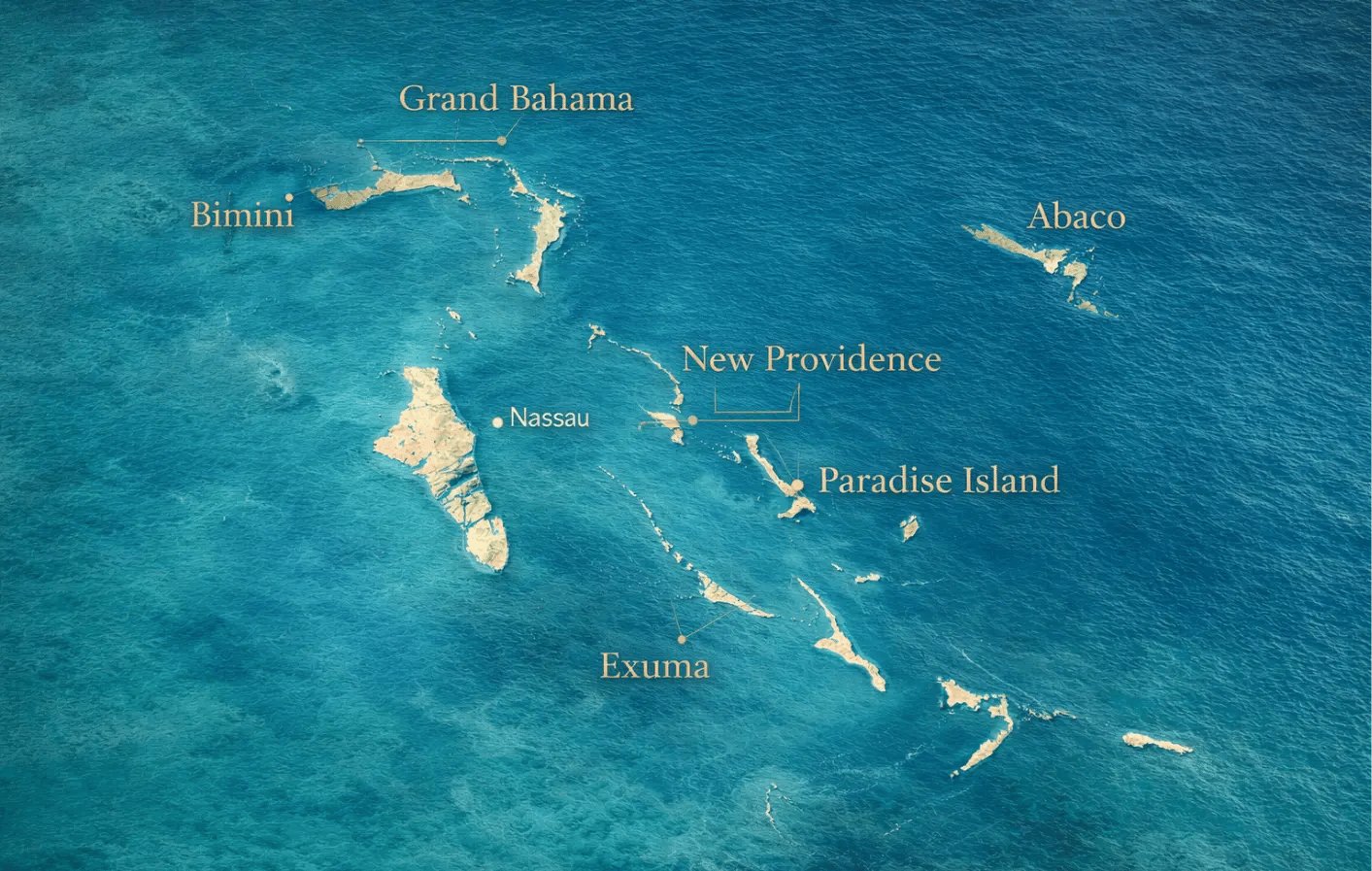
Investment land in the Bahamas creates opportunities for high ROI through tourism, agriculture, and commercial development. The government encourages foreign investment via the Bahamas Investment Authority. Key locations include New Providence, Grand Bahama, and the Abacos. Always account for stamp duty and legal fees during acquisition.
Unlocking Value: Why Invest in Land in The Bahamas?
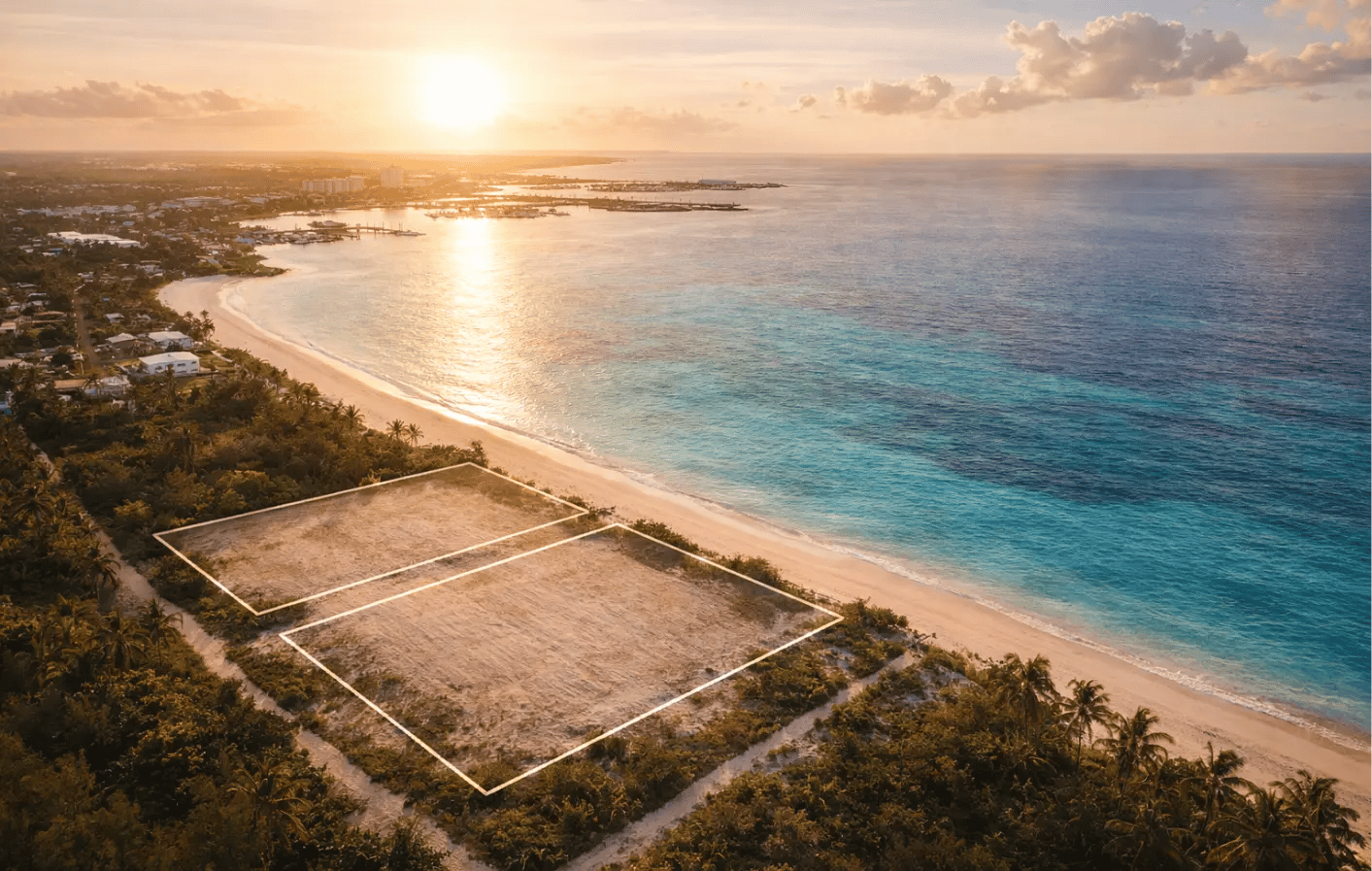
Why choose The Bahamas? Beyond the obvious beauty, the strategic value of undeveloped land here is driven by scarcity and a pro-business environment. The Office of the Prime Minister and the government actively encourage development that boosts the economy.
Expanding Demand Beyond Tourism
While tourism is king, demand is shifting. There is a growing need for housing near expanding infrastructure like Lynden Pindling International Airport. Additionally, the Bahamas Agricultural Industrial Corporation is promoting food security, opening doors for agricultural land investments.
Island-Specific Land Investment Spotlights
Location determines your return on investment. Here is where you should be looking.
New Providence (Nassau)
This is the economic core. Land here benefits from proximity to essential services like Princess Margaret Hospital, the University of the West Indies, and top-tier education at St. Andrew's International School. Commercial plots near Graycliff Hotel or cultural hubs like the Heritage Museum of The Bahamas and Pirates of Nassau offer high visibility.
Grand Bahama & Abaco
Grand Bahama is ideal for industrial investment, specifically around East Bay Street. In the Abacos, Marsh Harbour continues to rebuild, offering entry-level pricing for investors willing to play the long game.
Bimini & Paradise Island
For luxury and tourism, Paradise Island remains the gold standard, anchored by the Atlantis Casino. Meanwhile, land near the mysterious Bimini Road appeals to those targeting the marine and dive tourism sectors.
Sector-Specific Land Investment Avenue
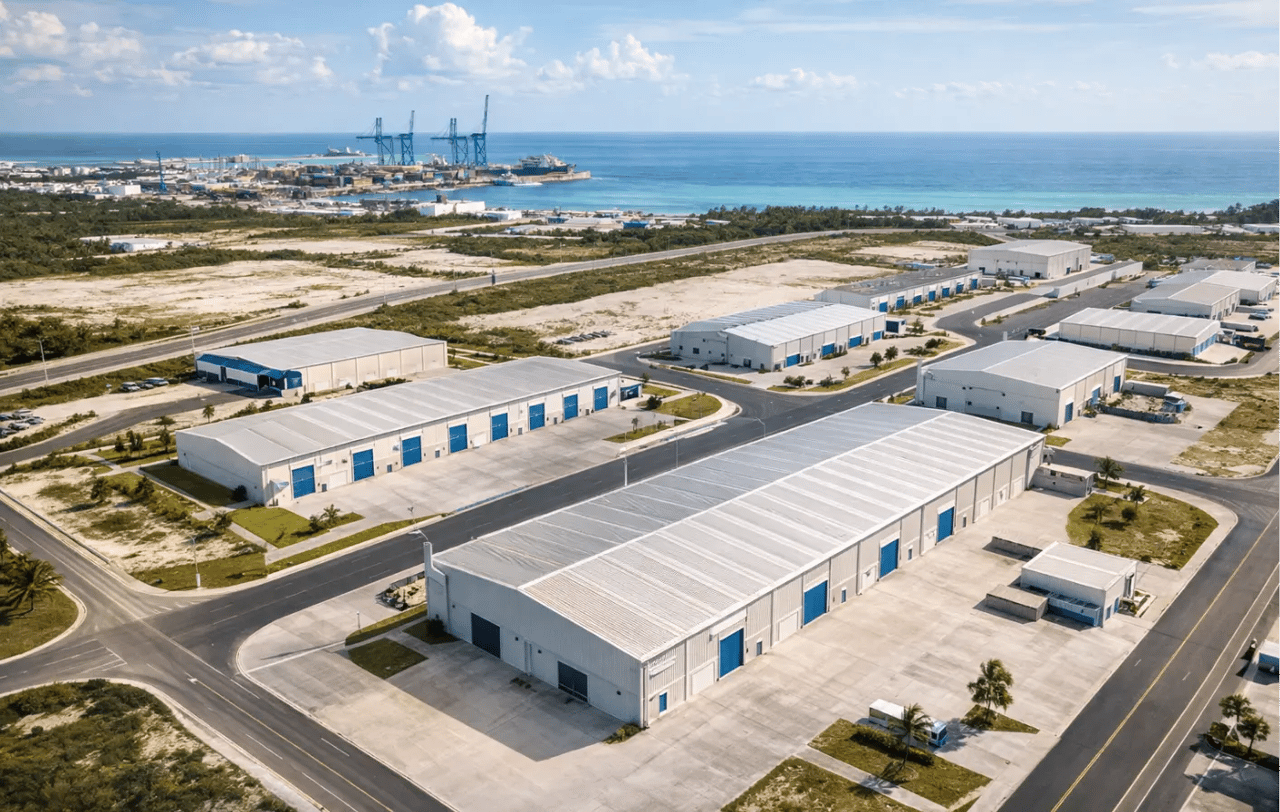
Industrial and Logistics Land
Areas like Gladstone Road Industrial Park and Soldier Road Industrial Park are prime for warehousing and logistics centers.
Commercial and Mixed-Use
Retail and office spaces are in demand in population centers. A solid business proposal is often required to secure zoning for these projects.
Ecotourism and Conservation
Land near natural wonders like Blue Holes National Park attracts high-end, eco-conscious developments.
Navigating the Acquisition Process
Buying land here is straightforward, but it requires strict adherence to legal steps.
-
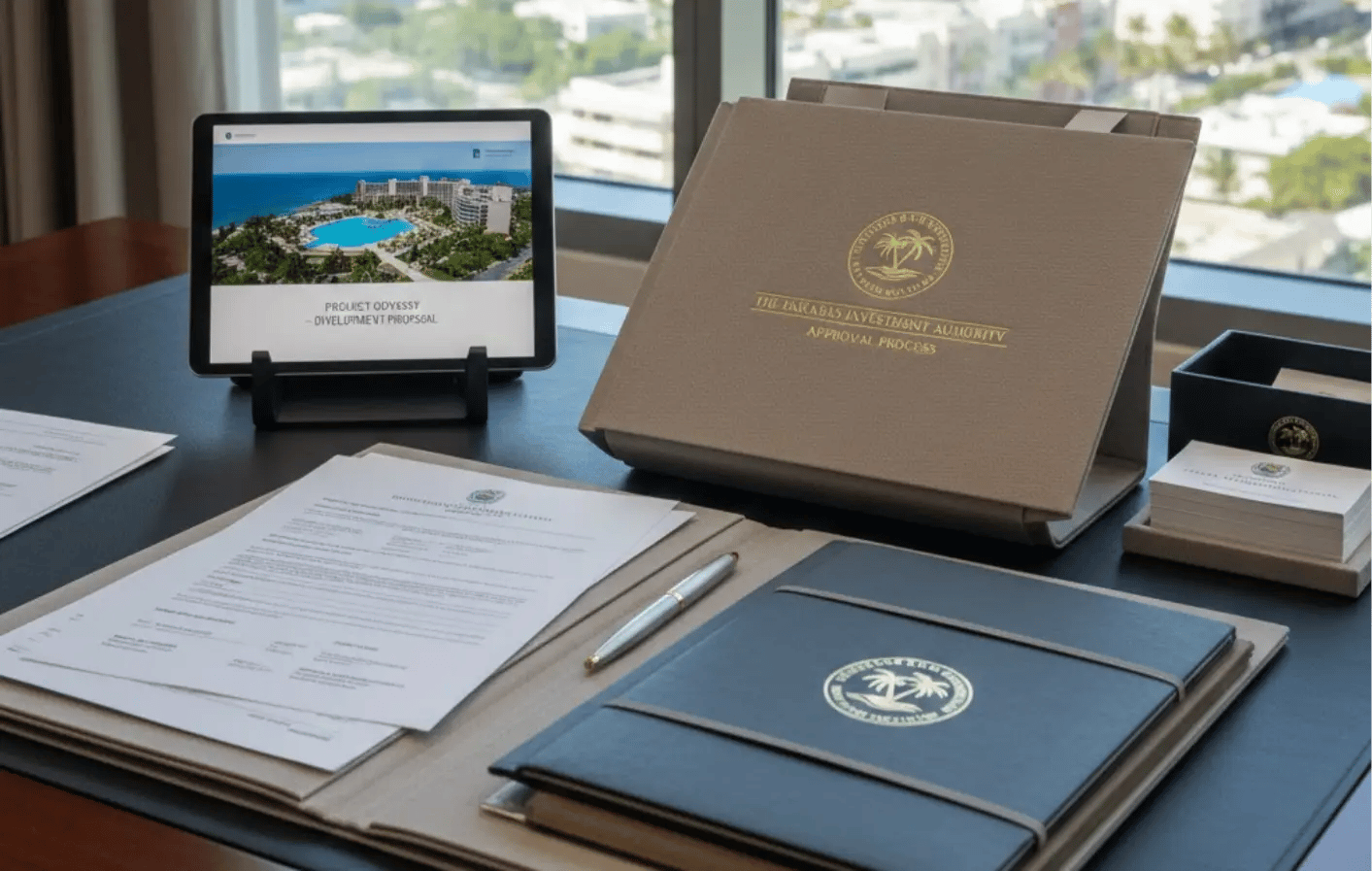
Approvals: Non-Bahamians often need a permit from the Bahamas Investment Authority.
-
Documentation: You will need to submit a standard application form, leasing documentation (if applicable), and a specific land form to the relevant departments.
-
Taxes: Be prepared to pay stamp duty on the conveyance of land. This is a tiered tax based on the property value.
Operational Setup for Land Investments
Once you own the land, setting up a business requires paperwork.
-
Licensing: You must apply for a business license and obtain a Certificate of Business Registration.
-
Banking: To open local accounts, you will need to provide a company's bank statement from your home country as a reference.
-
Employment: If you hire locals to clear or develop the land, you must register them and get a National Insurance Card for social security contributions.
Maximizing Returns on Bahamian Land

To ensure a high ROI, focus on long-term capital appreciation. The Bahamas has a history of steady land value growth. Diversifying your portfolio with a mix of residential and commercial land hedges against market fluctuations. By aligning your development plans with government incentives, you secure both economic stability and investor confidence.
Pro Tips for Smart Investing
-
Verify Titles: Always use a reputable local attorney to check the title deeds.
-
Check Zoning: Ensure your intended use matches the designated land use.
-
Plan for VAT: Remember that Value Added Tax applies to many professional services during the buying process.
Final Thoughts on Bahamian Investment
Investing in the Bahamas offers a blend of lifestyle appeal and serious economic potential. By targeting the right islands and understanding the regulatory landscape, you can secure a valuable asset. Whether you are eyeing a lot near Nassau or a large tract in the Family Islands, the opportunities are real.
Frequently Asked Questions
Can foreigners buy investment land in the Bahamas?
Yes, foreigners can buy land. For properties under five acres, you generally just need to register the purchase. Larger developments require government approval.
What is the stamp duty rate?
Stamp duty and VAT on property transfers generally total between 2.5% and 10%, shared between buyer and seller, depending on the value.
Do I need a business license to hold land?
If you are strictly holding raw land, usually no. However, if you plan to rent it out or develop it for profit, you will need a business license.
Is financing available for foreign investors?
Yes, local banks offer financing to foreign investors, though they may require a higher down payment compared to local residents.
Why is the Bahamas Investment Authority important?
They are the gatekeepers for foreign direct investment. They approve major projects and ensure investments benefit the country.