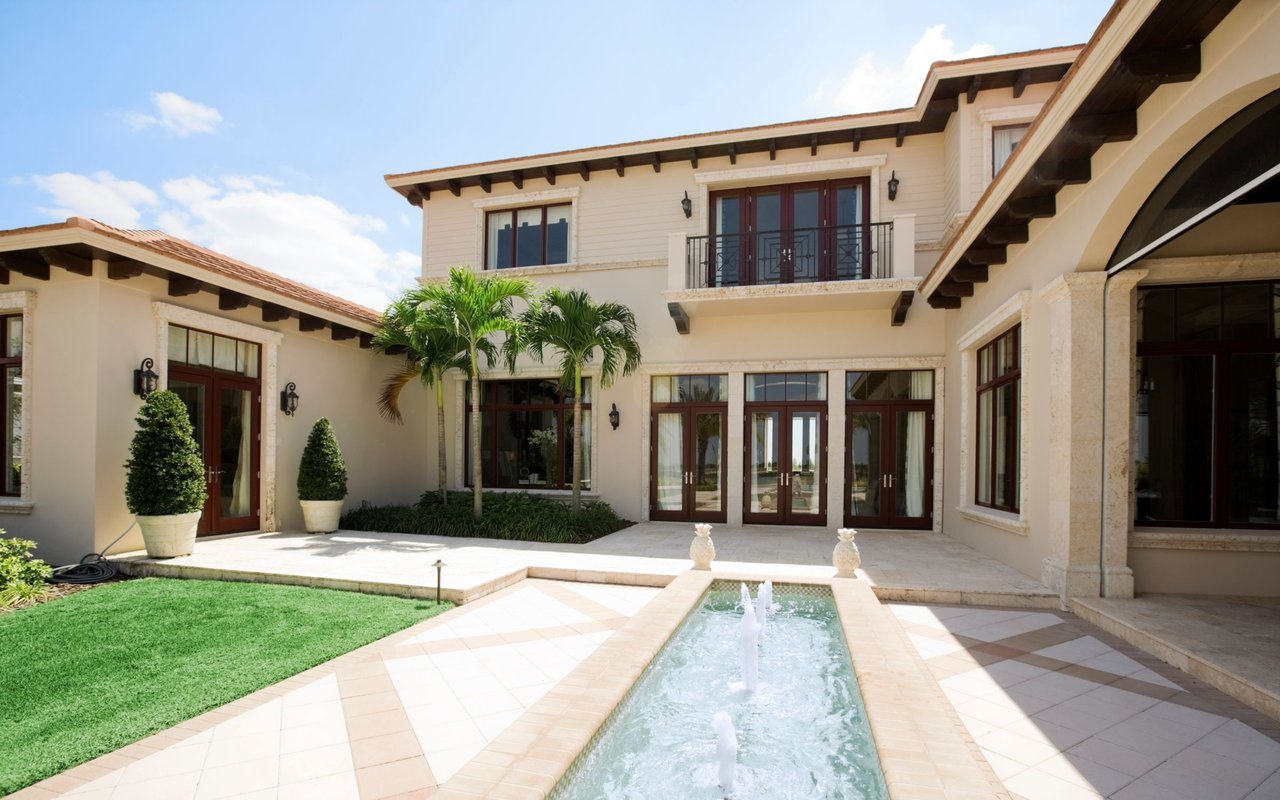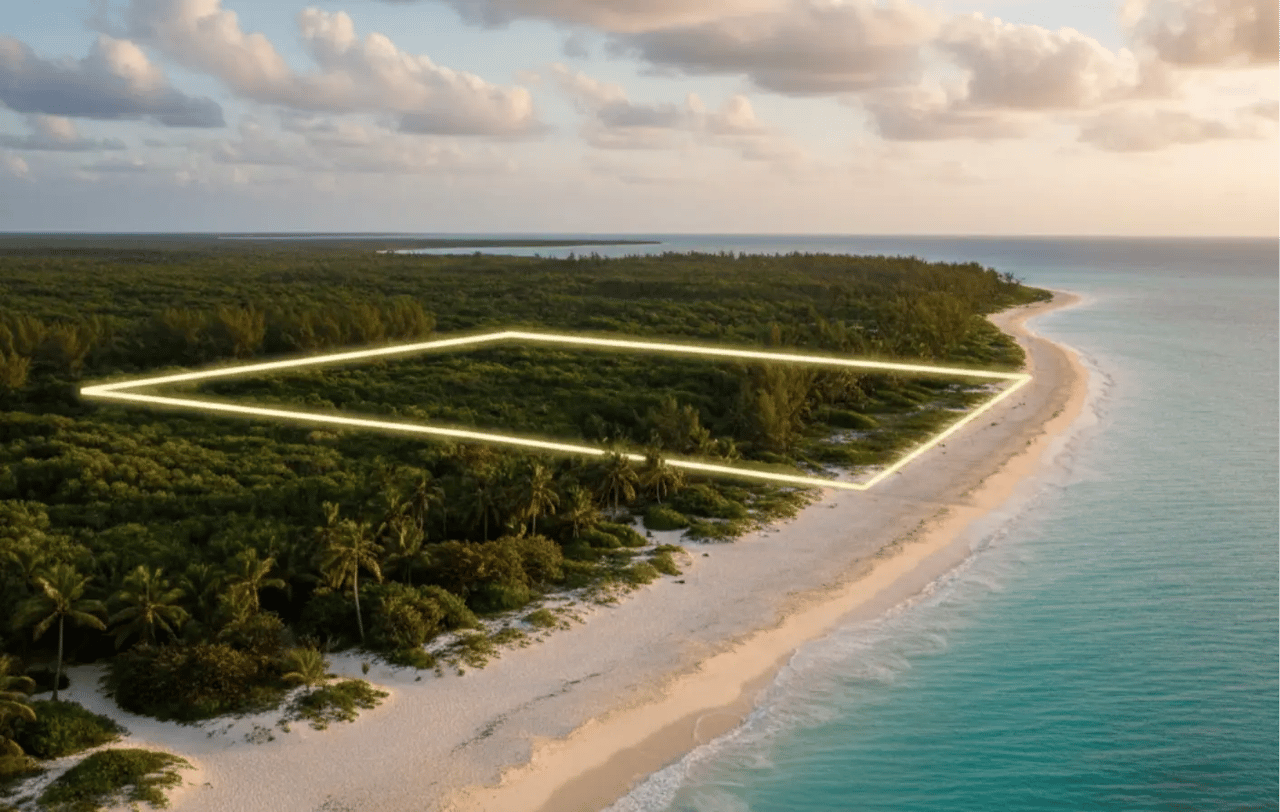
Looking for land for sale in the Bahamas? You are making a strategic move into a market known for tax neutrality, stable democracy, and high tourism demand. Whether you want a private island retreat or a commercial development plot, the process for US investors is straightforward, with the same rights to freehold ownership as Bahamian citizens.
Investing in the Bahamas offers more than just pristine beaches; it’s a gateway to wealth preservation. With no income tax, capital gains tax, or inheritance tax, purchasing land here is a powerful tool for portfolio diversification. From the bustling hubs of New Providence to the untouched beauty of the Family Islands, opportunities abound for savvy builders and investors.
Quick Summary
Land for sale in the Bahamas is a prime investment for US buyers seeking tax advantages and lifestyle ROI.
-
Ownership: Foreigners enjoy the same freehold rights as locals.
-
Taxes: No income, capital gains, or inheritance taxes; stamp duty applies on transfer.
-
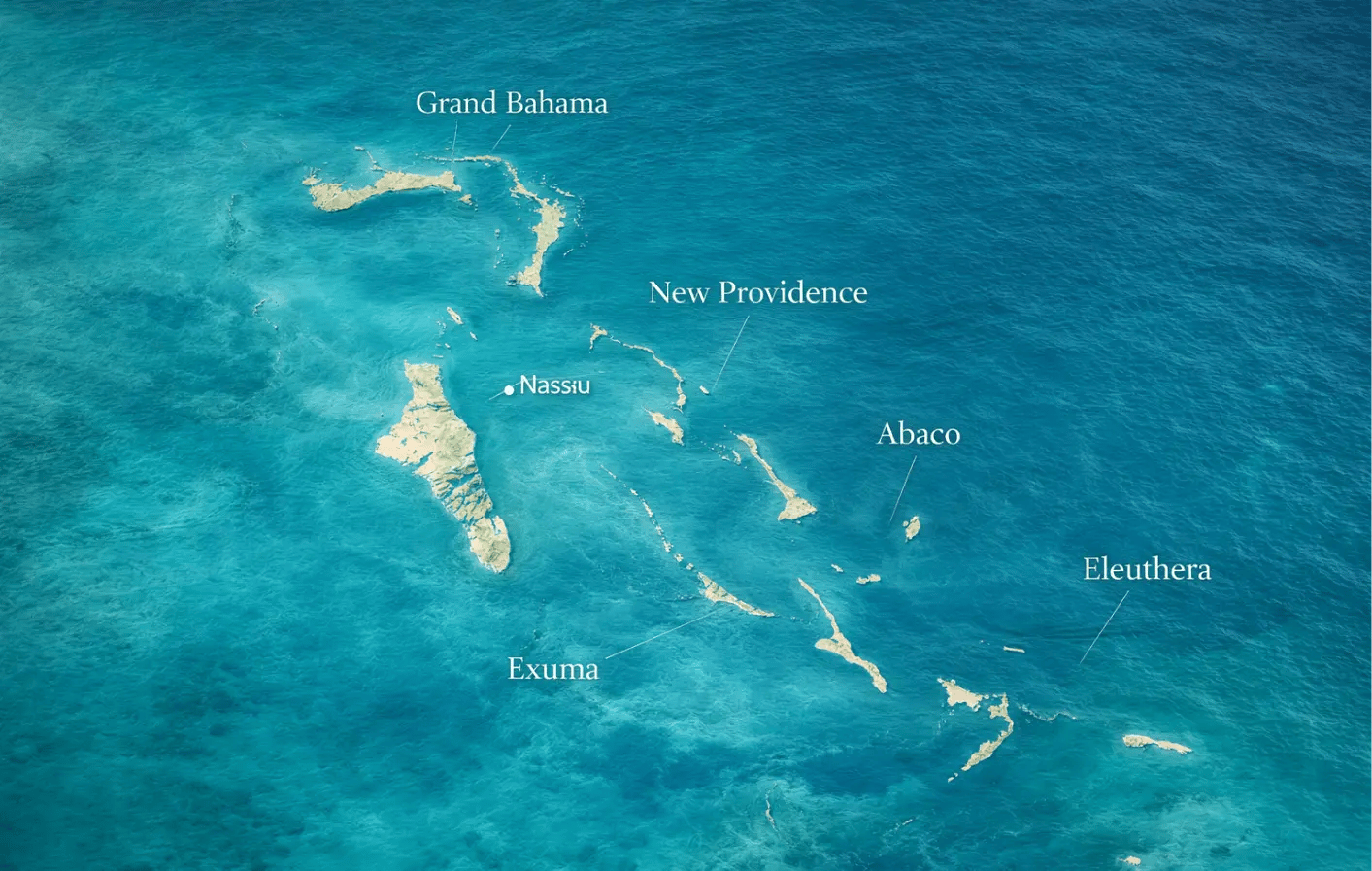
Best Areas: Paradise Island for luxury, Grand Bahama for development, and Exuma for privacy.
-
Incentives: Investment of $750k+ can accelerate permanent residency applications.
Why Should You Invest in Bahamian Land?
Investing in Bahamian land offers a unique mix of lifestyle appeal and financial incentives that few other jurisdictions can match. Beyond the turquoise waters, the financial framework is designed to attract international investors.
The Allure of The Bahamas
The Bahamas is an independent, English-speaking nation with a law system based on English common law. This stability, combined with proximity to the US (just 50 miles off Florida), makes it a low-risk environment for real estate capital.
Strategic Financial Benefits
-
Tax Optimization: There are no taxes on income, dividends, or capital gains. This allows your investment to grow unencumbered.
-
Wealth Preservation: Real estate here acts as a hedge against inflation and currency fluctuation, as the Bahamian dollar is pegged 1:1 to the US dollar.
-
Custom Vision: Unlike buying a pre-built condo, buying unimproved Bahamas property gives you a blank canvas to build a bespoke eco-resort or luxury villa exactly to your specs.
Where Are the Best Locations to Buy Land?
Navigating the archipelago requires understanding the distinct vibe and market value of each island.
New Providence & Paradise Island
This is the commercial heart. Land here commands premium prices but offers high liquidity and rental demand. It's home to Nassau, the capital, and elite communities like Ocean Club.
Grand Bahama
Known for its deep-water harbor and free trade zone, Grand Bahama is excellent for commercial and industrial land investments.
The Family Islands (Out Islands)
For those seeking unimproved Bahamas property with massive appreciation potential, look at Exuma, Eleuthera, or Abaco. These areas are seeing increased interest for boutique tourism developments.
Diverse Land Opportunities
-
Beachfront: Highest value, ideal for luxury rentals.
-
Canal Front: Popular for boaters, offering safe docking.
-
Inland Parcels: More affordable, great for residential subdivisions.
How Does the Buying Process Work for Foreigners?
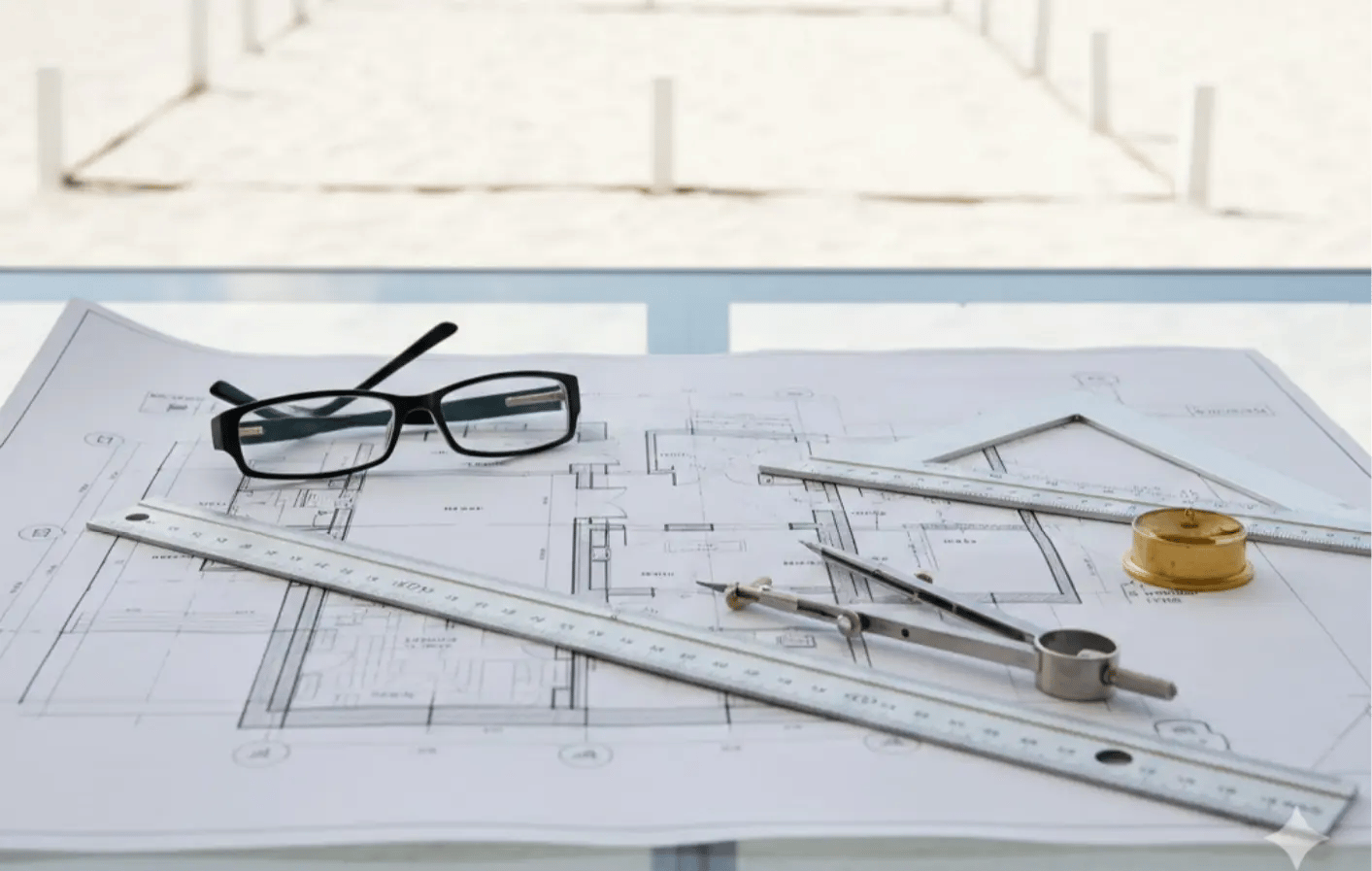
The land acquisition process is transparent, but you must follow specific steps to ensure your title is secure.
-
Finding Your Parcel: Engage a local real estate agent to identify land for sale in the Bahamas that suits your zoning needs.
-
The Offer: Submit a Letter of Intent (LOI) or Offer to Purchase. Once accepted, you typically pay a 10% deposit.
-
Engaging Professionals: You must hire a Bahamian attorney. They handle the title search and ensure the land is free of encumbrances.
-
Government Approval: Non-Bahamians need to register their purchase with the Foreign Investment Board. If the land is over 2 acres or for commercial use, you need a specific permit.
-
Conveyancing: Your lawyer reviews the title documents and prepares the conveyance.
-
Closing: The remaining balance is paid, and the deed is recorded with the Registry of Records.
What Costs and Taxes Should You Expect?
While there is no income tax, transaction costs are a critical part of your budget.
Acquisition Costs
-
Stamp Duty (VAT): This is a graduated tax on the conveyance of land. It typically runs between 2.5% and 10%, depending on value.
-
Legal Fees: Standard legal fees are around 2.5% of the property value, plus VAT.
-
Real Estate Commission: Usually 6% for developed land and 10% for vacant land (paid by the seller, but affects purchase price).
Annual Costs
-
Real Property Tax: Investors must pay annual real property tax. Rates vary based on value and location (e.g., Family Islands may have exemptions).
-
Service Charges: If buying in a gated community, factor in monthly HOA fees.
How Do You Develop Your Bahamian Property?
Turning raw land into a profitable asset involves navigating local regulations and logistics.
Permits and Approvals
You must comply with the Physical Planning and Subdivision Act. This ensures your project meets zoning, environmental, and density requirements.
Construction Considerations
-
Hiring Experts: You need licensed local architects and engineers to submit plans to the Ministry of Works.
-
Building Codes: The Bahamas has strict building codes to ensure hurricane resilience. Concrete block construction and hurricane-rated windows are standard.
-
Infrastructure: For remote land, you may need to install your own utilities (solar, septic, cisterns), which impacts the budget.
Pro Tips: Maximizing ROI and Mitigating Risk
To get the most out of your land for sale Bahamas investment, you need a strategy that looks beyond the purchase.
Strategies for Growth
-
Long-Term Appreciation: Hold beachfront land in emerging Family Islands as infrastructure improves.
-
Subdivision: Buy large acreage, subdivide it into residential lots, and resell for a markup.
-
Rental Income: Build vacation villas. The government encourages foreign investment in tourism with concessions on importing construction materials.
Risk Mitigation
-
Hurricane Insurance: Essential for any structures you build.
-
Security Services: Consider a property management company or security solution if you are not on-island full-time.
-
Residency: An investment of $750,000 (and higher priority for $1.5M+) makes you eligible to apply for permanent residency, a major lifestyle perk.
Frequently Asked Questions
Can US citizens buy land in the Bahamas?
Yes, US citizens can buy land in the Bahamas with the same rights as locals. You simply need to register the purchase with the Investment Board or obtain a permit if the land is larger than two acres or for commercial use.
Is owning land in the Bahamas a good investment?
Yes, it is considered a stable investment due to the US dollar peg, tax neutrality (no capital gains tax), and high demand for tourism real estate. It serves as an excellent hedge for wealth preservation.
What are the property taxes in the Bahamas?
Annual real property tax rates vary. Generally, it is around 1% to 2% of the property value for undeveloped land owned by foreigners. There are caps and exemptions available depending on the island and development status.
Do I get citizenship if I buy land in the Bahamas?
No, buying land does not grant citizenship. However, purchasing a property valued at $750,000 or more allows you to apply for speedy consideration for permanent residency, which carries many rights of a citizen (except voting).
How long does it take to close on land in the Bahamas?
The closing process typically takes 3 to 6 months. This allows time for your attorney to conduct a thorough title search, obtain necessary government permits, and finalize the conveyancing process.
Final Thoughts
Securing land for sale in the Bahamas is more than a transaction; it's a step toward a lifestyle defined by freedom and financial prudence. Whether you are eyeing a commercial plot in Grand Bahama or a secluded cay in the Exumas, the opportunities for growth are tangible.
The key is due diligence. Work with reputable local attorneys and agents to navigate the legal framework. By doing so, you ensure your slice of paradise is safe, secure, and ready to yield returns for generations.