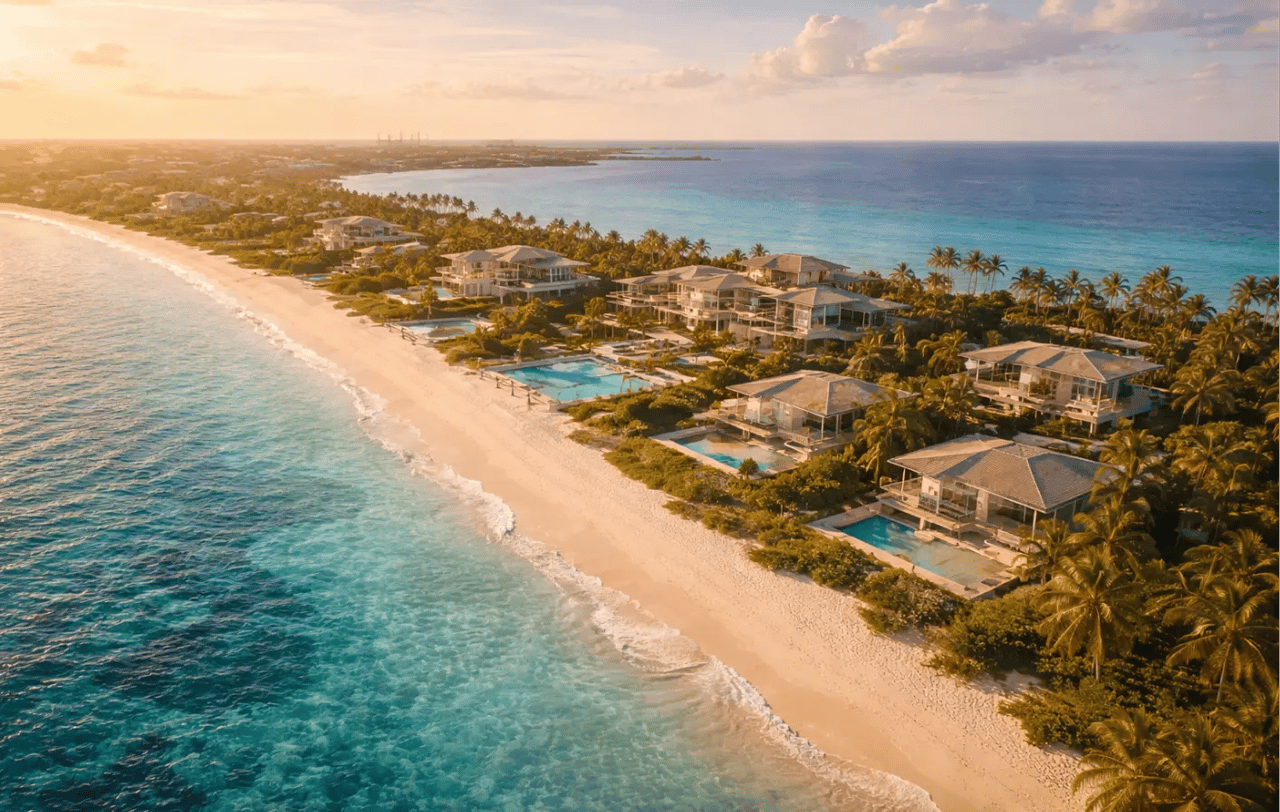
The Bahamas is one of the Caribbean's top spots for tourism property investment. This island nation attracts over 7 million visitors each year. It has a tax-friendly environment and a strong U.S. dollar peg. These factors provide good opportunities for investors. They can find rental income and long-term growth.
This guide shows why tourism real estate in the Bahamas is worth your time. It shows which islands give the best returns and shares tips for easy investing.
Unlocking Opportunities in a Premier Tourist Destination
The Allure of the Bahamas for Tourists and Investors
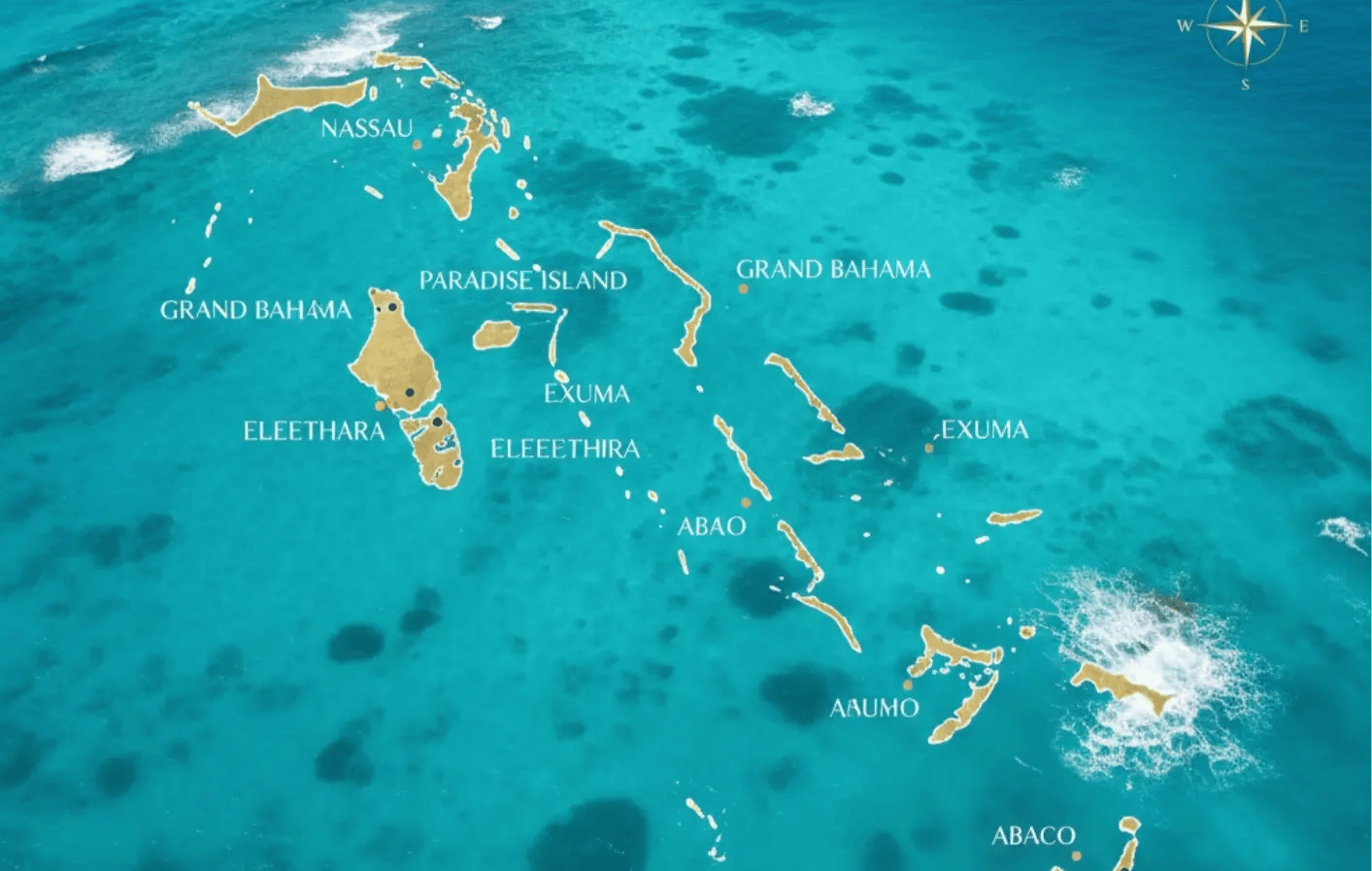
The Bahamas attracts everyone from cruise passengers to luxury yacht owners. Crystal-clear waters, white-sand beaches, and world-class resorts make it a top Caribbean destination. Tourists keep coming. This raises the need for rental properties, boutique hotels, and vacation homes.
Foreign investors can own property outright here; no local partnership is required. The government encourages international investment, especially in tourism projects. These create jobs and help the local economy grow.
Why Tourism Fuels Property Investment
Tourism accounts for approximately 50% of The Bahamas' Gross Domestic Product. When visitor arrivals increase, so does the demand for accommodation. Property investors gain from short-term rental income in peak seasons. They also enjoy potential appreciation as infrastructure improves.
The seasonal rental market is busiest from December to April. This is when many North Americans flee the winter chill. Properties in prime spots can hit over 70% occupancy in these months. This leads to strong returns.
What This Guide Will Cover
You'll discover the best islands for investing. You'll learn how to handle legal rules and find tips to boost your rental income. We'll discuss everything from acquisition costs to property management. This will help you make smart choices about tourism properties in The Bahamas.
The Bahamian Advantage: A Magnet for Tourism and Investment
A Thriving Tourism Industry at the Core
The tourism industry in The Bahamas continues to expand despite global economic shifts. Baha Mar and Atlantis Casino on Paradise Island boost visitor numbers. Meanwhile, the Out Islands draw travelers looking for authentic experiences.
Lynden Pindling International Airport serves millions of passengers each year. It has direct flights from major cities in the U.S. and Canada. This accessibility makes The Bahamas a great weekend spot. It also helps vacation rentals turn over quickly.
Economic Stability and Strategic Location
The Bahamas has strong economic ties. This comes from agreements. They include the Caribbean Basin Initiative and the Economic Partnership Agreement. It’s just 50 miles from Bimini to Florida, so American tourists and investors can get there easily.
Government stability and a mature financial services sector provide more confidence. The country is an offshore financial hub. It attracts wealth managers and their clients. Many of these clients become property owners, too.
Tax-Friendly Environment for Investors
No income tax, capital gains tax, or inheritance tax exists in The Bahamas. Property taxes are generally low, ranging from 0.75% to 2% each year based on property value. Stamp duty applies when you buy, ranging from 2.5% to 10% based on price. Ongoing tax obligations remain low.
The Hotels Encouragement Act provides extra benefits for tourism projects. This includes duty exemptions on construction materials and equipment. These benefits can cut development costs for boutique hotel resorts and commercial properties.
Strong US Dollar Peg and Currency Stability
The Bahamian dollar is pegged 1:1 to the United States dollar. This setup removes currency risk for American investors. This stability makes financial planning easier. It also removes worries about exchange rate changes. These changes can affect rental income and property values.
Cross-border transfers flow smoothly, and many transactions occur directly in USD. Local banks and global financial institutions work across the islands. They help with mortgages and support business operations.
Desirable Lifestyle and a Strong Second-Home Market
Beyond investment returns, the Bahamas offers an enviable lifestyle. Warm weather all year, great fishing, and a laid-back island vibe draw second home buyers. They enjoy their homes personally and rent them out when they are away.
Quality healthcare facilities are in Nassau and Grand Bahama. Also, international schools, such as St. Andrew's International School, serve expatriate families. The University of the West Indies has a campus here. It boosts educational resources.
Understanding the Bahamian tourism landscape: key drivers of property values
Diverse tourist segments and their property needs.
The Bahamas welcomes several distinct visitor segments. Cruise passengers visit Nassau and Freeport for day trips. This supports local retail and restaurant demand. Guests at luxury resorts enjoy stays on Paradise Island and Grand Bahama Island. Meanwhile, independent travelers look for vacation homes and boutique guesthouses.
Fishing enthusiasts flock to Bimini and the Abacos, creating demand for marina-adjacent properties. Eco-tourists visit sites like Blue Holes National Park, preferring smaller, environmentally conscious accommodations.
Major Tourism Hubs and Infrastructure
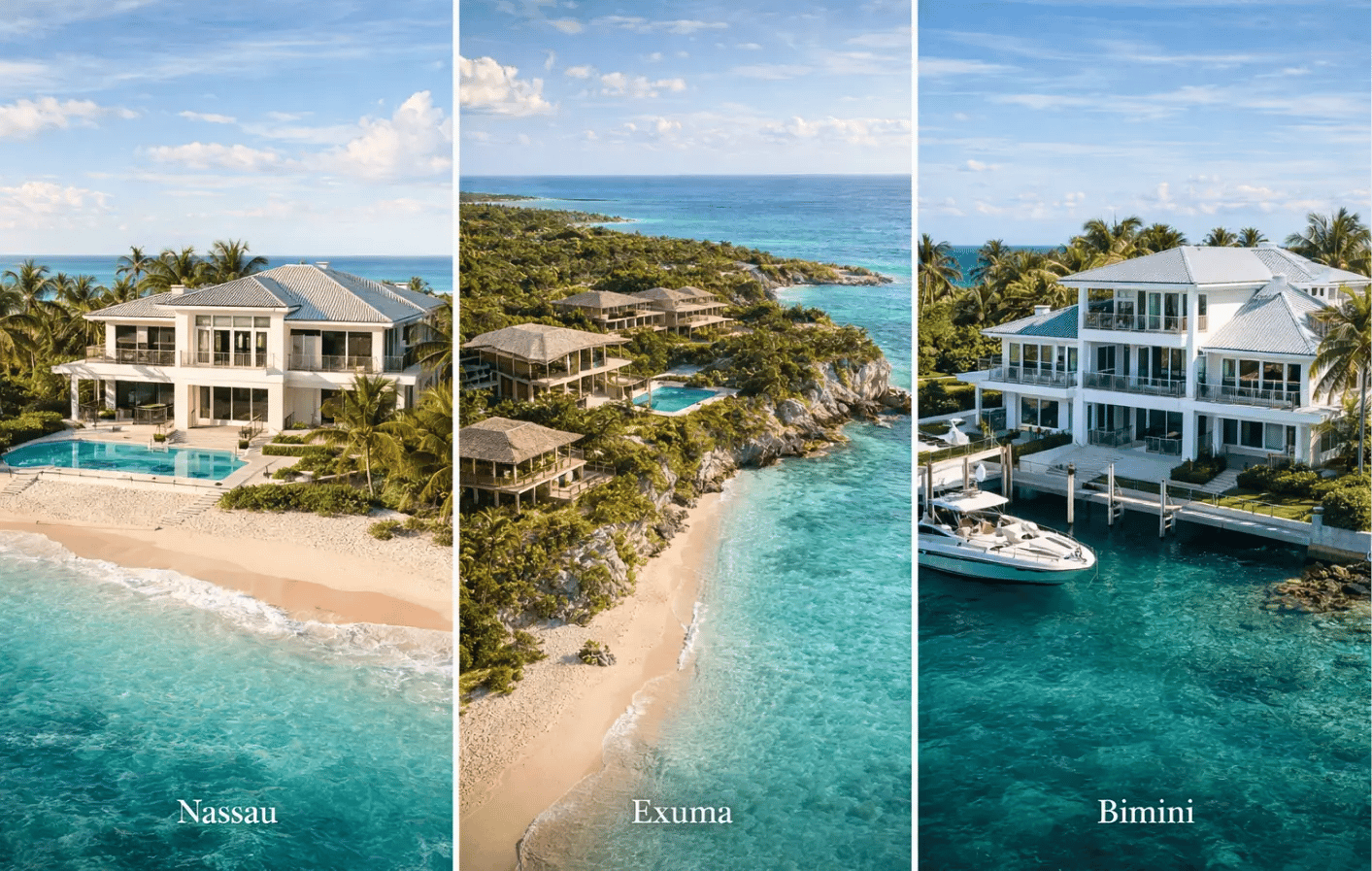
Nassau and Paradise Island are the commercial centers. They have casinos, shopping, and cultural spots. Notable attractions include Pirates of Nassau and the Heritage Museum of The Bahamas. These areas command premium prices but deliver consistent occupancy.
Grand Bahama benefits from the Hawksbill Creek Agreement. This agreement made business conditions better in Freeport. The island is near Florida. Its strong infrastructure makes it appealing for investment properties.
Growth in Short-Term Rentals and Vacation Homes
Platforms like Airbnb and VRBO have transformed the vacation rental landscape. More visitors are choosing private homes instead of hotels. This trend raises the need for stylish beachfront villas. It also increases the demand for single-family homes near tourist spots.
But investors must get short-term rental licenses from local authorities. Check rental rules before buying, as they vary by island.
Emerging Trends: Eco-Tourism, Wellness, and Niche Markets
Sustainability-conscious travelers seek eco-friendly accommodations that cut environmental impact. Properties that use renewable energy attract this growing group. They also save water and use local materials.
Wellness retreats and yoga studios are emerging, particularly on quieter islands. Niche tourism properties can charge high rates. Guests often pay more for unique experiences.
Strategic Tourism-Driven Property Investment Opportunities
Short-Term Rental Properties: Capitalizing on High Demand
Vacation rentals generate the highest yields in prime locations. A three-bedroom beachfront property in Exuma or Barbour Island can earn $3,000 to $7,000 each week in peak season. Annual returns of 8-12% are achievable with proper marketing and management.
Success means offering high-quality properties. It also means keeping them in great shape. Finally, it means answering guest questions quickly. Professional property management companies handle these tasks for owners unable to manage remotely.
Boutique Hotel Resorts and Guesthouses
Smaller boutique accommodations (6-12 rooms) serve travelers seeking personalized service. These properties need more hands-on management. They can bring in good cash flow. This is especially true when paired with dining or activities.
The Hotels Encouragement Act gives tax breaks. It also offers duty exemptions for eligible projects. This helps make them more financially viable.
Commercial Real Estate Supporting the Tourism Sector
Tourist areas have restaurants, shops, and marina facilities. They earn steady income through long-term leases. These commercial properties attract investors who want passive income. They offer stability without the turnover seen in vacation rentals.
Retail spaces in Nassau's cruise port and near resorts stay busy. Tourism businesses always look for great spots.
Vacant Land for Tourism-Focused Development
Undeveloped beachfront land on the Out Islands offers opportunities. It’s perfect for investors with vision and capital. Land costs are still affordable compared to developed properties. However, construction expenses can be high because of material import costs.
Investors should get government approval for development plans early. This is important because environmental rules protect coastal areas and marine ecosystems.
Niche Tourism Properties
Unique opportunities include:
-
Fishing lodges in Bimini
-
Dive centers by Andros' blue holes
-
Heritage properties in historic settlements.
Specialized investments need strong market knowledge. They can get premium prices from specific guest segments.
Island-Specific Investment Hotspots and Their Tourism Appeal
Nassau & Paradise Island: The Core of Luxury and Commercial Tourism
Nassau has the most developed real estate market. It features established property values and strong rental demand. Luxury condos near Atlantis and Baha Mar offer great rental income. But, they need a big initial investment.
New Providence makes it easier to access services. This includes international schools, healthcare, and professional services. The tourism-dependent economy here means property values closely track visitor arrivals.
Grand Bahama: Freeport and Diverse Tourism Potential
Grand Bahama Island is rebuilding from hurricane damage. This creates chances to buy properties for less than their replacement cost. Freeport's unique economic status and its proximity to Florida attract tourists and businesses.
Residential properties here are cheaper than those in Nassau. This gives investors a better chance for good returns if they’re open to ongoing recovery trends.
The Exum has exclusive luxury and pristine nature.
The Exuma chain includes some of The Bahamas' most exclusive properties. Private islands sell to ultra-high-net-worth buyers. In contrast, Georgetown and Stocking Island provide more accessible vacation rentals.
Swimming pigs, pristine beaches, and crystal-clear waters make this archipelago irresistible to tourists. Properties command premium rates but also face higher management costs due to remoteness.
Eleuthera & Barbour Island: Quaint Charm and Upscale Retreats
Barbour Island's pink sand beaches and colonial architecture create a sophisticated, laid-back atmosphere. Properties here attract discerning travelers willing to pay for charm and exclusivity.
Eleuthera has a longer coastline, which means more affordable entry points. It still provides the authentic Bahamian experience that tourists want.
Abaco Islands: Rebuilding, Resilience, and Renewed Opportunities
Hurricane Dorian hit the Abacos hard in 2019. Now, rebuilding offers chances for investors who trust the islands will bounce back. Pre-storm property values haven't fully returned, potentially offering value to patient investors.
The sailing community loves the Abacos. This bond means tourism will bounce back as the infrastructure improves.
Bimini: Proximity, Fishing, and Quick Getaways
Bimini is 50 miles from Florida. It draws weekend visitors by ferry and private boat. Sport fishing boosts tourism here. Divers also explore the mysterious Bimini Road formation.
Properties near marinas or with boat access are pricier for fishing and diving enthusiasts.
Exploring the "Out Islands": Untapped Potential
Islands like Andros, Cat Island, and San Salvador attract fewer visitors. But they provide authentic experiences that travelers value more and more. These markets need a bold approach and longer investment timelines. But, they can offer great returns if tourism infrastructure grows as expected.
The Investment Process: Legal, Financial, and Practicalities
Due Diligence: A Critical Step for Property Investors
Thorough due diligence protects against title issues, zoning restrictions, and environmental concerns. Hire a trusted real estate agency that knows tourism property deals. Also, get a qualified attorney to check all documents.
Survey boundaries carefully, especially on Out Islands where records may be less precise. Confirm beach access rights, as private beach ownership significantly enhances vacation rental appeal.
Legal Framework and Foreign Ownership
Foreign investors can buy property freely. They need approval from the Ministry of Finance. This is for transactions that go over certain limits. It also applies to specific property types. The process is straightforward with proper legal representation.
Title insurance is available through international underwriters, providing more security for your investment.
Acquisition Costs and Ongoing Expenses
Budget for:
-
Stamp duty: 2.5% to 10% based on the price.
-
Legal fees: 1% to 2%.
-
Real estate agent commissions are set at 6%, and the seller typically covers this cost.
Real property tax applies each year based on the assessed value.
Ongoing costs are:
-
Property insurance (higher rates in hurricane zones)
-
Maintenance
-
Utilities
-
Property management fees (usually 20%–30% of gross rental income)
Financing Your Investment
International buyers often need a down payment of 30% to 50% for mortgages from local banks in the Bahamas. Interest rates run higher than North American averages, often ranging from 6% to 8%.
Some investors get financing secured by properties in their home countries instead. The Guaranteed Loan Policy and some government programs back tourism projects. They might provide good terms for eligible developments.
Property Management for Tourism-Based Rentals
If you won’t manage remotely full-time, hire pros who know vacation rentals. They handle guest communications, cleaning, maintenance, and marketing across booking platforms.
Quality management has a significant impact on occupancy rates and guest satisfaction. This, in turn, impacts your investment returns.
Maximizing Returns and Mitigating Risks in Tourism Property Investment
Optimizing Rental Income Strategies
Price adjusts according to demand, with rates set for holidays, festivals, and local events. Professional photography and detailed property descriptions improve booking conversion rates.
Respond to inquiries within hours; speed matters in vacation rental bookings. Collect guest reviews with attention to detail. Properties with solid reviews get better occupancy and can charge higher rates.
Understanding Market Trends and Cycles
Check visitor arrival statistics and economic indicators from the tourism sector. When the U.S. or Canadian economies slow, people usually cut back on travel. This drop in spending affects rental demand.
Diversifying across many rental platforms reduces dependence on any single booking source. Some investors look at long-term winter rentals for snowbirds. This gives them a steady income during the peak season.
Navigating Risks: Hurricanes and Environmental Factors
Hurricane season (June-November) poses real risks. Comprehensive insurance is non-negotiable, though it increases operating costs. Building standards in The Bahamas have gotten better after recent storms. Newer buildings are more resilient.
Climate change concerns, including sea level rise, warrant consideration for beachfront investments. Properties at higher elevations or set back from the water might be more sustainable in the long run.
Regulatory Changes and Local Governance
Stay informed about changes to tax laws, rental regulations, and property rights. The government sometimes changes stamp duty rates. It also adjusts property taxes to meet revenue needs.
Short-term rental licenses may face stricter requirements as the market matures. Maintaining compliance protects your investment and rental income stream.
Leveraging Investment Incentives and Residency
The Hotels Encouragement Act gives incentives. The Free Trade Zone Act also offers incentives. Special Economic Recovery Zones provide incentives too. These are for qualifying developments. These programs can reduce capital requirements and improve returns.
Investing in property can meet residency needs. This is great for anyone wanting to strengthen ties to the Bahamas.
Your gateway to Bahamian tourism property success.
The Enduring Appeal of Bahamian Tourism Investment
The Bahamas offers stunning scenery, political stability, and tax benefits. This makes it a great choice for investing in tourism properties. Consistent visitor demand, particularly from North America, supports rental income across property types.
Real estate markets here have shown strength during tough times and disasters. Values bounce back when tourism grows.
Strategic Planning for a Rewarding Venture
Successful investors in The Bahamas take a careful approach. They research specific islands and property types. They also understand the true costs, such as management and insurance. They maintain realistic expectations about returns and risks.
Start with thorough market research. Visit properties in person, if you can. Experience the tourist view and talk to current property investors. Learn from their experiences.
Partnering for Success
Assemble a team of local experts. This includes attorneys, property managers, accountants, and real estate agents. They have the skills to handle challenges that confuse independent investors. This includes title searches and tax optimization.
African Land focuses on Caribbean property investments. They can link you to opportunities that fit your investment strategy and risk level.
A Call to Action
The Bahamas' tourism property market has great opportunities for investors. If you do your research and think long-term, you can benefit. This island nation offers various options for your needs. You can choose from many options. These include vacation rental income, a second home, or commercial tourism properties.
Begin by identifying which island and property type align with your goals. Consult with experienced professionals who understand both tourism trends and real estate dynamics. A good team and smart planning can help your Bahamian property succeed. It can bring you profits and joy for many years.
Ready to explore tourism property opportunities in The Bahamas? Talk to experts. They can help you with listings. They can assist with legal needs, too. Plus, they offer investment strategies that fit your goals.
FAQ
Can foreigners own property in The Bahamas?
Yes, foreign investors can buy and own real estate in The Bahamas outright. Some high-value transactions need government approval. The process is simple if you have the right legal help.
What are typical rental yields for vacation properties?
Well-managed vacation rentals in prime locations typically generate 6-12% annual returns. Properties in Nassau, Paradise Island, and the Exumas usually reach the top of this range. This often happens during peak seasons.
Do I need to pay income tax on rental income?
The Bahamas does not impose income tax, capital gains tax, or inheritance tax. Property taxes and stamp duty do apply. But tax obligations are low compared to most places.
How much should I budget for property management?
Professional property management for vacation rentals typically costs 20-30% of gross rental income. This covers marketing, guest communications, cleaning, maintenance coordination, and financial reporting.
What's the best island for first-time investors?
Nassau and Paradise Island have well-developed markets. They feature strong infrastructure and steady rental demand. These areas are easier to manage and offer more liquidity when you sell. This makes them great for first-time tourism property investors.