The Bahamas offers more than crystal-clear waters and luxury resorts. Its strategic location between North America and Latin America positions it as a prime logistics and industrial hub. With tax incentives, modern infrastructure, and proximity to major shipping routes, the industrial property market here presents compelling opportunities for savvy investors and businesses looking to expand their operations.
Whether you're eyeing warehousing facilities in Nassau, manufacturing space in Freeport, or emerging development sites in the Family Islands, understanding the Bahamian industrial landscape is your first step toward capitalizing on this Caribbean market. This guide breaks down everything you need to know about industrial real estate in The Bahamas, from key hubs and property types to investment considerations and future trends.
Short Summary
The Bahamas' industrial property market centers on New Providence (Nassau) for commerce and Grand Bahama (Freeport) for manufacturing and logistics. Key advantages include zero income tax, duty-free zones, modern port facilities, and a strategic location for transshipment. Main property types include warehousing, distribution centers, light manufacturing plants, and industrial land. Government incentives through the Bahamas Investment Authority support foreign direct investment with tax exemptions and streamlined approvals.
Overview of the Bahamian Industrial Landscape
Current Market Snapshot
The industrial sector in The Bahamas has experienced steady growth, driven primarily by increased demand for warehousing and logistics facilities. E-commerce expansion and supply chain diversification have pushed businesses to seek strategic locations outside traditional hubs. Commercial real estate investment in industrial properties has grown approximately 8-12% annually in recent years, particularly in designated zones like the Freeport Container Port area.
The market remains relatively undersupplied compared to commercial and residential sectors, creating favorable conditions for new development. Prime industrial properties command higher rental yields than office buildings or retail space, typically ranging from 7-10% annually.
Key Economic Drivers for Industrial Demand
Several factors fuel industrial property demand across the Bahamas archipelago:
-
Tourism sector support: Hotels and resorts require warehousing for supplies, creating consistent demand for storage facilities
-
Financial services growth: Back-office operations and data management needs drive demand for specialized industrial spaces
-
Import-dependent economy: The Bahamas imports over 90% of consumer goods, necessitating robust distribution infrastructure
-
Transshipment opportunities: Geographic position along major shipping routes supports logistics operations
-
Renewable energy expansion: Solar farms and battery storage facilities require industrial land development
The Role of Government and Investment Promotion
The Bahamas Investment Authority actively promotes industrial development through the Bahamas Investment Incentives Act. This legislation provides tax exemptions on equipment, construction materials, and operational inputs for approved projects. The government has designated Special Economic Recovery Zones offering enhanced benefits, while the Hawksbill Creek Agreement in Grand Bahama creates unique advantages for manufacturing and logistics ventures.
Foreign Direct Investment in industrial properties faces fewer restrictions than residential real estate. International investors can acquire industrial land and facilities with straightforward approval processes, particularly for projects creating employment or supporting economic diversification beyond the tourism industry.
Major Industrial Hubs and Designated Zones
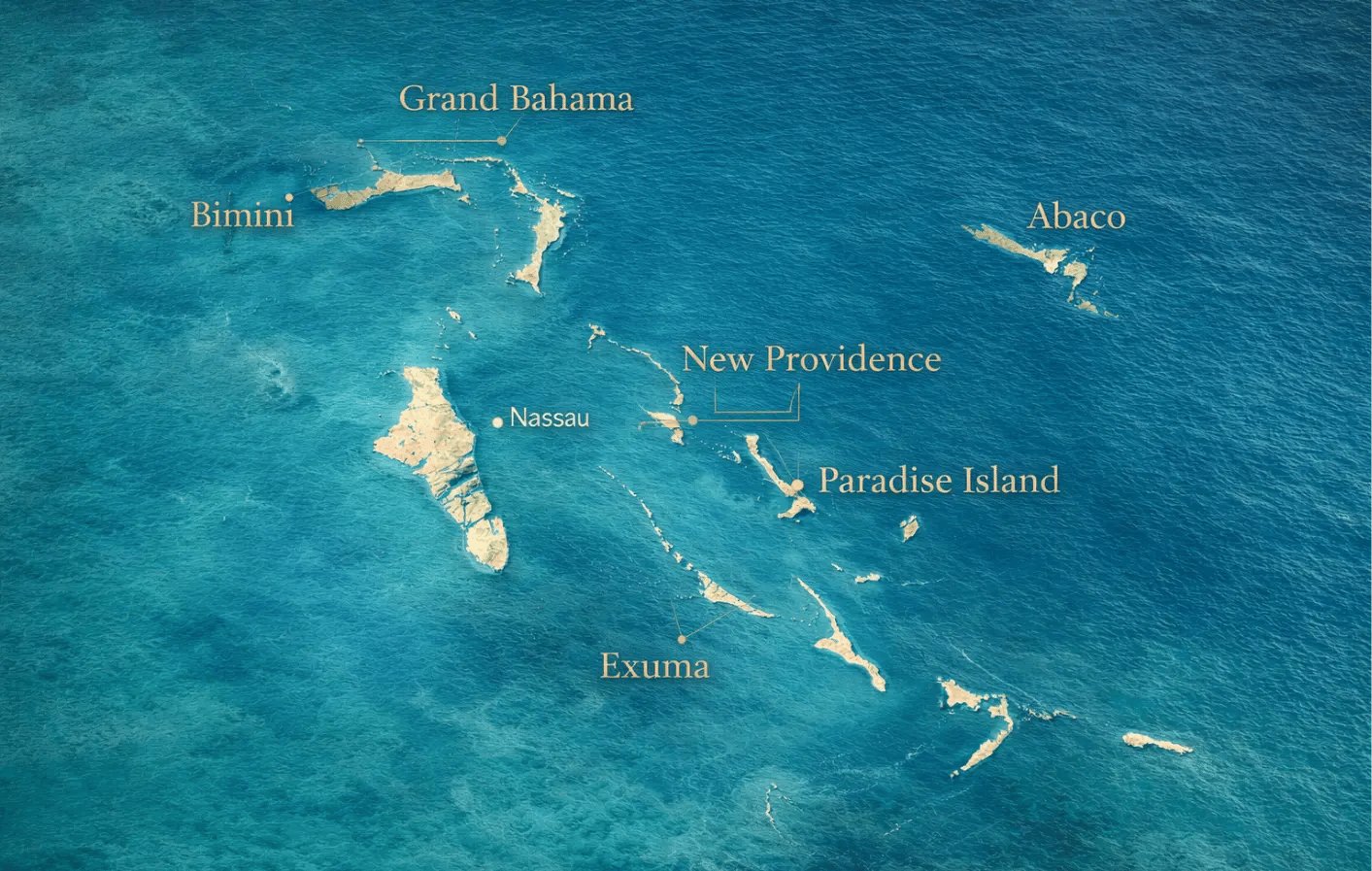
New Providence (Nassau): The Primary Commercial Hub
Nassau serves as the commercial heart of The Bahamas, with concentrated industrial activity along corridors like Gladstone Road Industrial Park, Soldier Road Industrial Park, and Airport Industrial Park. These areas offer proximity to Lynden Pindling International Airport and Nassau's seaport, facilitating efficient import-export operations.
East Bay Street and Bay Street areas provide mixed-use zones where light industrial and commercial activities intersect. Properties here typically serve retail support functions, food distribution, and light assembly operations. Real estate prices in New Providence command premium rates industrial land averages $15-25 per square foot, while existing facilities range from $8-15 per square foot for lease.
Grand Bahama (Freeport): The Logistics and Manufacturing Powerhouse
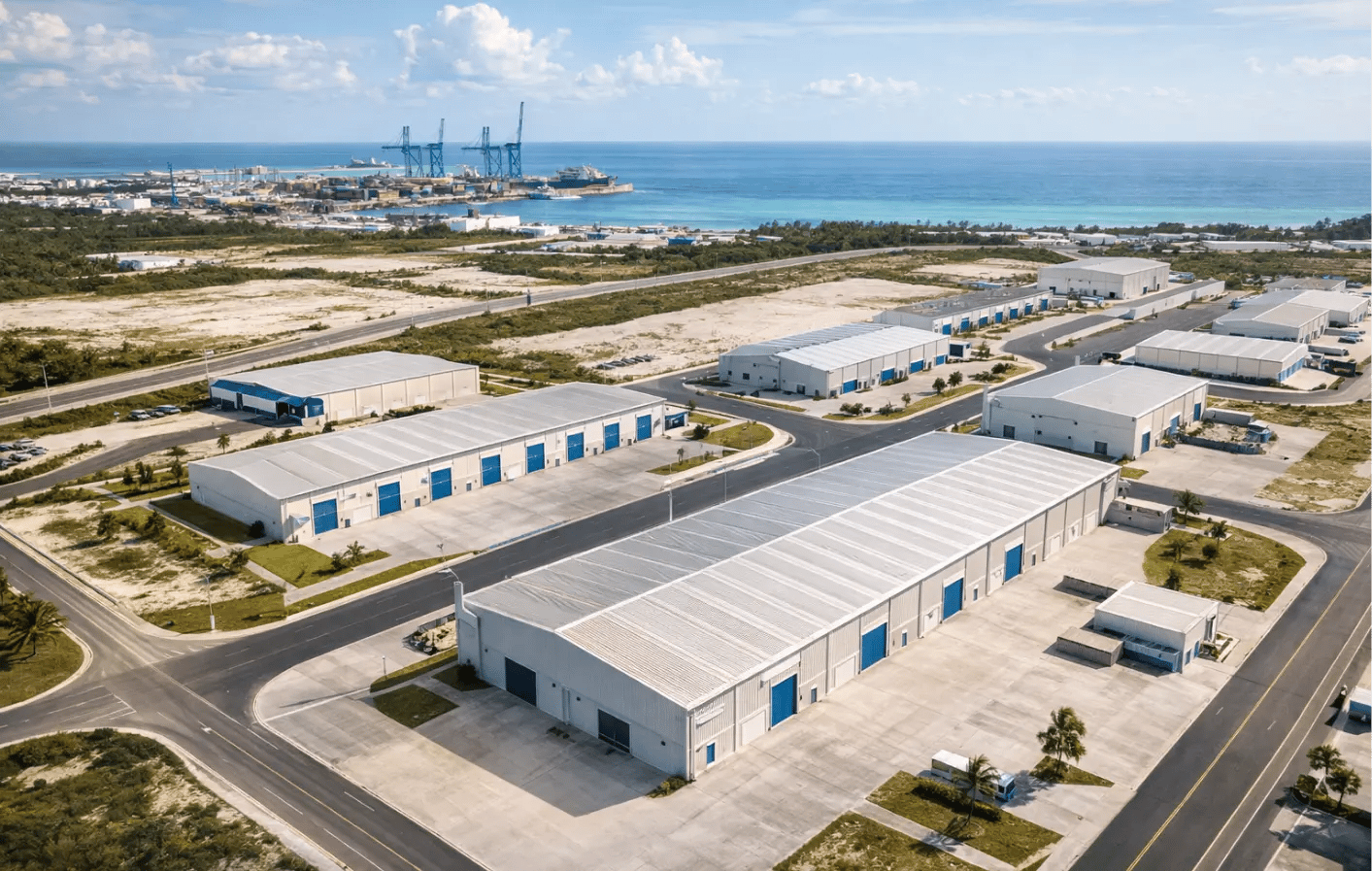
Freeport operates under unique governance through the Hawksbill Creek Agreement, offering substantial tax advantages and regulatory flexibility. The Freeport Container Port ranks among the Caribbean's most advanced transshipment facilities, handling over 1.5 million TEUs annually. This infrastructure supports warehousing, distribution centers, and light manufacturing targeting regional markets.
Industrial properties in Grand Bahama typically cost 30-40% less than comparable New Providence facilities. The area attracts pharmaceutical manufacturing, electronics assembly, food processing, and logistics operations serving the Caribbean Basin Initiative markets. Availability of larger land parcels (10+ acres) suits operations requiring significant footprints.
Emerging Opportunities in the Family Islands (Out Islands)
The Out Islands including Abaco (Marsh Harbour), Eleuthera, and Exuma present developing industrial opportunities. These locations suit specialized operations like:
-
Cold chain facilities for seafood processing and export
-
Agricultural processing tied to local production
-
Renewable energy infrastructure (solar and wind farms)
-
Small-scale manufacturing for local and regional distribution
Land costs remain significantly lower (often $3-8 per square foot), though infrastructure limitations require careful due diligence. The Paradise Island area has limited industrial zoning but supports hospitality-focused warehousing.
Types of Industrial Properties and Their Applications
Warehousing & Distribution Centers
Modern warehousing facilities serve import distribution, e-commerce fulfillment, and retail support. Specifications typically include:
-
Clear heights of 20-30 feet
-
Loading docks and grade-level doors
-
Climate control capabilities for pharmaceutical and food storage
-
Security systems meeting insurance requirements
These properties cluster near ports and airports in New Providence and Grand Bahama. Monthly lease rates range from $0.65-1.20 per square foot depending on location and specifications.
Logistics & Transshipment Facilities
Purpose-built logistics centers integrate warehousing with container handling, cross-docking, and inventory management systems. The Freeport Container Port area dominates this segment, offering direct port access and customs clearance facilities. These operations benefit from duty-free status under specific licensing arrangements.
Light Manufacturing & Assembly Plants
The Bahamas attracts industries seeking Caribbean Community (CARICOM) market access through preferential trade agreements. Typical operations include:
-
Electronics assembly
-
Pharmaceutical packaging and labeling
-
Food and beverage processing
-
Marine equipment manufacturing
Facilities require industrial power supply (often three-phase), water access, and waste management infrastructure. The Bahamas Agricultural Industrial Corporation supports food-related manufacturing ventures.
Industrial Land Development
Raw industrial land offers the highest customization potential. Zoning designations vary by island and location, with some areas restricted to specific use categories. Development considerations include:
-
Utility availability and connection costs
-
Environmental impact assessments
-
Zoning permissions and building approvals
-
Road access and drainage infrastructure
Land development timelines typically span 12-24 months from acquisition to occupancy, depending on existing infrastructure and permit complexity.
Investment & Development Considerations for Industrial Property
Market Analysis and Due Diligence
Successful industrial investments begin with thorough market research. Working with Bahamas Real Estate Association members and local experts provides essential market intelligence. Key diligence steps include:
-
Demand analysis for specific property types in target locations
-
Competitive supply assessment through Bahamas MLS data
-
Infrastructure capacity verification (power, water, telecommunications)
-
Title verification and land survey review
Commercial property markets vary significantly between islands. What works in Nassau may not translate to Grand Bahama or the Family Islands.
Legal and Regulatory Framework
Foreign investors must navigate specific legal requirements when acquiring industrial properties. A local attorney should review all transactions, verifying clear title through proper Deed of Conveyance and ensuring compliance with zoning laws. The approval process typically involves:
-
Business Proposal submission to relevant authorities
-
Business Licence and Certificate of Business Registration acquisition
-
National Insurance Card for any Bahamian employees
-
Property acquisition approval (if applicable)
-
Building and development permits
The Bahamas maintains legal frameworks supporting commercial real estate ownership by international entities, with industrial properties generally facing fewer restrictions than residential acquisitions.
Financial Aspects and Incentives
The Bahamas offers compelling financial advantages for industrial investors:
-
No income tax, capital gains tax, or corporate tax
-
No Value-Added Tax on industrial equipment imports (with approval)
-
Tax exemptions under the Bahamas Investment Incentives Act
-
Duty-free concessions for construction materials and operational equipment
-
Offshore financing options through international banking relationships
Real estate acquisition costs include stamp duty (typically 10% on commercial properties) and legal fees (2-3%). The Bahamian dollar maintains 1:1 parity with the US dollar, eliminating currency exchange risk for American investors.
Infrastructure and Utilities
Infrastructure quality varies by location. New Providence and Grand Bahama offer reliable utilities, though costs exceed mainland US rates. Key considerations include:
-
Electrical supply: Industrial rates average $0.30-0.40 per kWh
-
Water and sewage: Municipal services in developed areas, private systems elsewhere
-
Internet connectivity: Fiber optic availability in commercial hubs, improving in Family Islands
-
Road access: Well-maintained in primary industrial zones, variable in developing areas
Backup power generation is standard practice for operations requiring uninterrupted service.
Property Acquisition and Leasing Process
The typical property acquisition process spans 60-90 days:
-
Property identification through real estate brokers like Rodland Real Estate or Bahamas Realty Ltd.
-
Property showings and preliminary negotiations
-
Letter of intent and due diligence period
-
Sales agreement execution
-
Government approvals (if required)
-
Closing and property transfer
Leasing commercial property involves less regulatory complexity but requires careful attention to lease terms, particularly regarding property fit out, maintenance responsibilities, and renewal options. Commercial lease terms typically span 3-10 years with options for renewal.
Future Trends and Opportunities in Bahamian Industrial Real Estate
Growth of E-commerce Fulfillment Centers
Online retail expansion drives demand for modern fulfillment infrastructure. The Bahamas serves as a potential last-mile hub for Caribbean markets, particularly if shipping industries continue optimizing regional logistics networks. Investment opportunities exist in purpose-built facilities with advanced inventory management systems and integrated customs clearance.
Renewable Energy Infrastructure Support
The government's commitment to 30% renewable energy generation by 2030 creates industrial real estate demand. Solar farms require substantial land parcels (20-100+ acres), while battery storage and grid infrastructure need specialized facilities. The cryptocurrency sector has also expressed interest in Bahamas-based operations powered by renewable sources.
Cold Chain Logistics Expansion
Growing emphasis on food security and agricultural development increases demand for temperature-controlled warehousing and processing facilities. Cold storage capacity remains undersupplied relative to the import-dependent food market, presenting investment opportunities particularly in Grand Bahama and New Providence Island.
Diversification Beyond Tourism
Government initiatives supporting the finance industry, technology services, and light manufacturing create diverse industrial space needs. The global pandemic accelerated remote work trends, with digital nomads and international businesses exploring Bahamas operations. This shift generates demand for data centers, back-office facilities, and technology-oriented industrial spaces.
Digital Transformation & Data Centers
The Bahamas' political stability, modern telecommunications infrastructure, and favorable business climate position it competitively for data center development. Proximity to undersea fiber optic cables linking North America, Latin America, and Europe provides connectivity advantages. Regulatory frameworks supporting the technology sector, including cryptocurrency operations, may accelerate this trend.
Challenges and Mitigation Strategies for Industrial Investors
Land Availability and Cost
Prime industrial property bahamas locations face supply constraints, particularly in New Providence where developable land is limited. Strategies include:
-
Exploring Grand Bahama alternatives where land costs 30-40% less
-
Considering adaptive reuse of existing structures
-
Partnering with local developers who control land banks
-
Evaluating Family Islands for operations not requiring Nassau proximity
Construction Costs and Skilled Labor
Building costs in The Bahamas exceed mainland markets due to import dependence and limited local construction capacity. Material costs run 20-35% higher than Florida, while skilled labor can be scarce. Mitigation approaches include:
-
Importing pre-fabricated building systems
-
Engaging experienced contractors with Bahamas project history
-
Planning longer construction timelines (add 20-30% to mainland estimates)
-
Utilizing investment incentives to reduce import duties on construction materials
Regulatory Hurdles and Bureaucracy
While improving, the approval process can involve multiple government agencies and extended timelines. Successful investors typically:
-
Engage local attorneys and consultants early in the process
-
Build relationships with the Bahamas Investment Authority
-
Submit complete applications to avoid delays
-
Plan 6-12 months for approvals on complex projects
Logistics and Inter-island Transport
Moving goods between islands adds cost and complexity. Manufacturing operations dependent on inter-island supply chains face challenges. Solutions include:
-
Locating operations near target markets (Grand Bahama for export, Nassau for domestic)
-
Building inventory buffers to absorb shipping irregularities
-
Utilizing air freight for time-sensitive materials
-
Establishing relationships with reliable shipping providers
Strategic Gateway for Industrial Investment
Recap of Key Advantages
The Bahamas presents a compelling case for industrial property investment through its combination of strategic geography, tax advantages, and political stability. Zero income tax, robust investment incentives, and proximity to major North American and Latin American markets create a business-friendly environment. Well-developed infrastructure in New Providence and Grand Bahama supports diverse industrial operations, from warehousing and logistics to light manufacturing and renewable energy.
The government actively courts Foreign Direct Investment through streamlined approval processes and the Bahamas Investment Authority's support services. Growing sectors like e-commerce fulfillment, cold chain logistics, and renewable energy infrastructure present emerging opportunities beyond traditional shipping industries.
Final Thought
The Bahamas industrial property market merits serious consideration for investors seeking Caribbean logistics hubs, tax-advantaged manufacturing locations, or strategic transshipment facilities. While challenges exist around construction costs and regulatory navigation, the combination of location advantages, financial incentives, and market undersupply creates favorable conditions for well-planned industrial investments.
Success requires thorough due diligence, local expertise, and realistic expectations about timelines and costs. For businesses and investors willing to commit resources to understanding the market, The Bahamas offers a proven platform for industrial operations serving regional and international markets. As the archipelago continues diversifying beyond tourism, industrial real estate stands positioned to deliver attractive returns while supporting the nation's economic development objectives.
Frequently Asked Questions
Can foreigners own industrial property in The Bahamas?
Yes, foreign investors can own industrial properties in The Bahamas with fewer restrictions than residential real estate. The approval process through the Bahamas Investment Authority is straightforward for projects creating employment or supporting economic development.
What are the main tax advantages for industrial property investors?
The Bahamas imposes no income tax, corporate tax, or capital gains tax. Industrial investors benefit from duty-free concessions on equipment and materials under the Bahamas Investment Incentives Act, plus no VAT on approved industrial equipment imports.
Which location is better for industrial investment Nassau or Freeport?
Nassau (New Providence) offers superior access to the domestic market, air connectivity, and commercial services, but commands higher property prices. Freeport (Grand Bahama) provides lower costs, larger land parcels, special tax status under the Hawksbill Creek Agreement, and superior port infrastructure for export-oriented operations.
What are typical industrial property lease rates in The Bahamas?
Industrial lease rates range from $0.65-1.20 per square foot monthly in The Bahamas, depending on location, specifications, and property condition. New Providence commands the highest rates, while Grand Bahama and Family Islands offer 30-50% lower costs.
How long does it take to acquire and develop industrial property?
Property acquisition typically takes 60-90 days from offer to closing. New development projects require an additional 12-24 months depending on existing infrastructure, permit complexity, and construction scope. Plan 6-12 months for government approvals on significant projects.
What infrastructure challenges should industrial investors expect?
Key considerations include higher utility costs than mainland markets (electricity averages $0.30-0.40 per kWh), potential water supply limitations outside developed areas, and inter-island logistics complexity. Backup power generation is standard for operations requiring uninterrupted service.