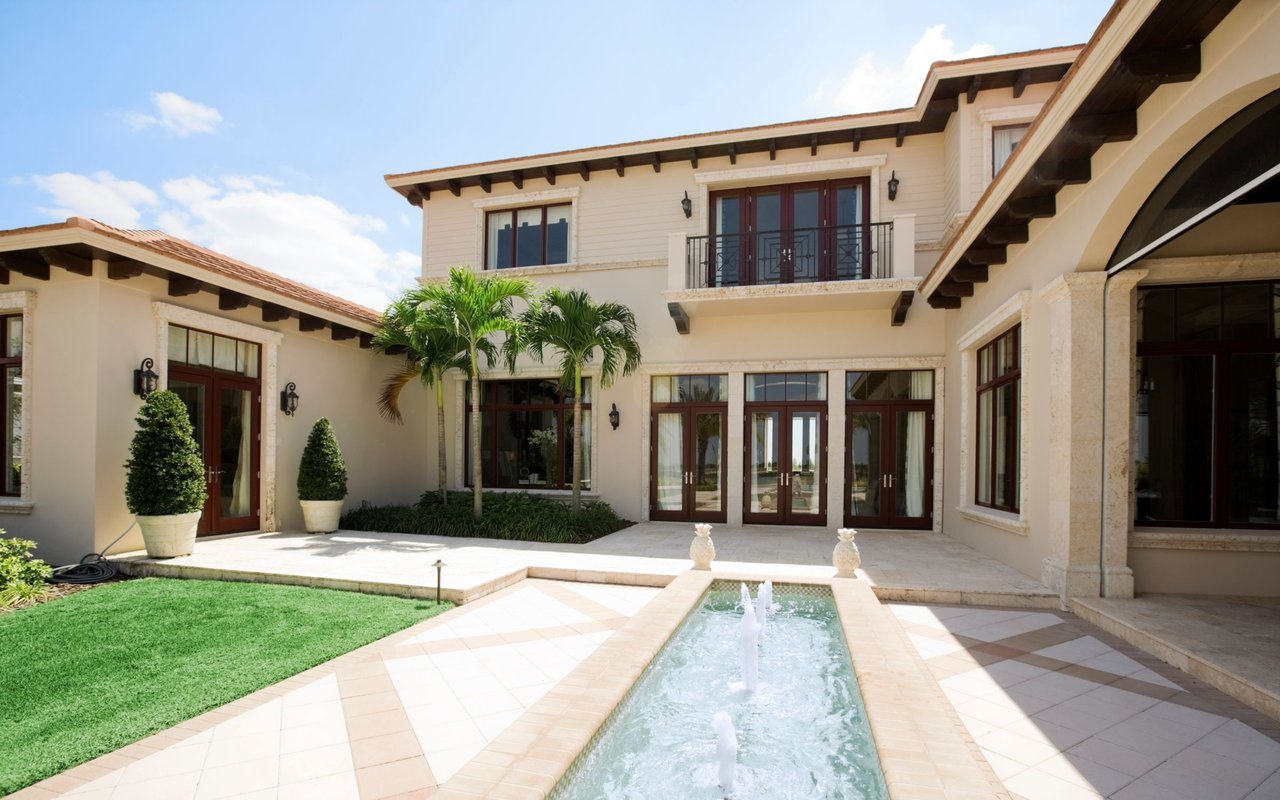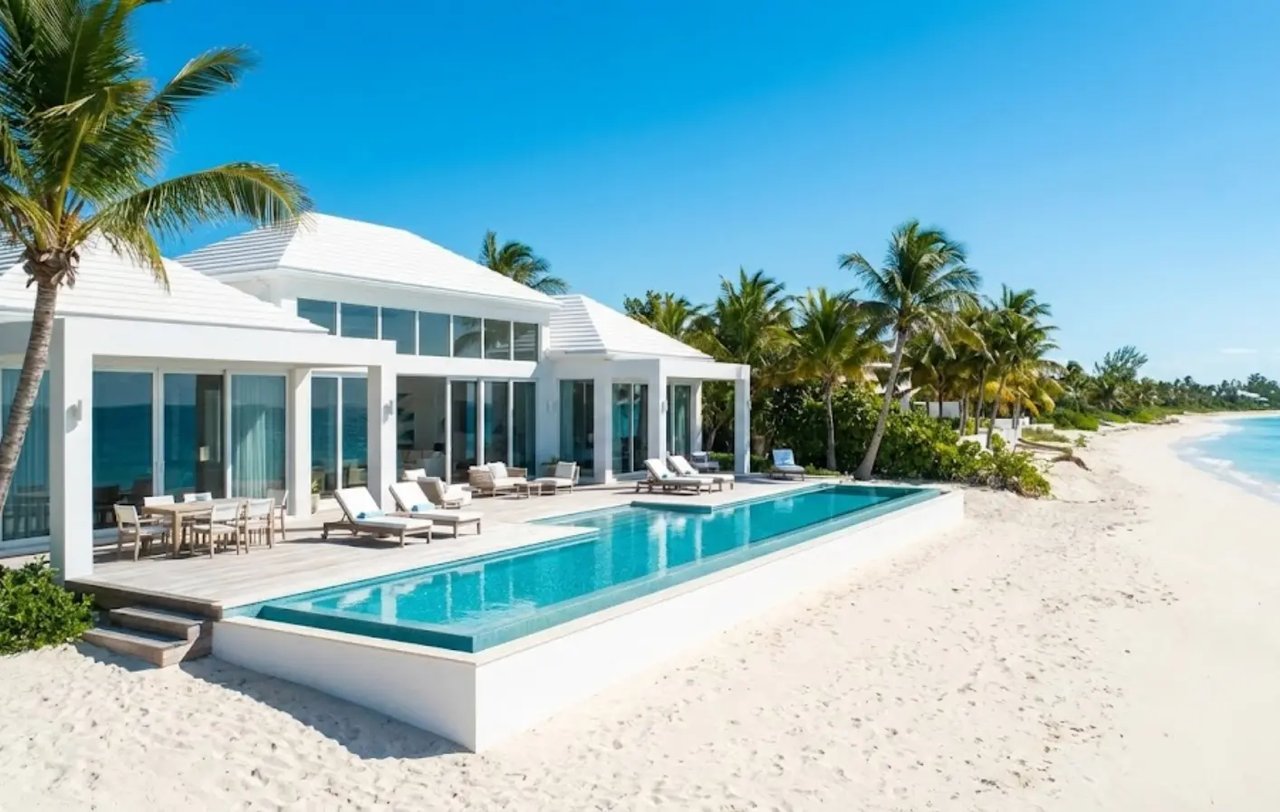
Grand Bahama real estate can make sense for investors who want lower entry pricing than Nassau, more waterfront options, and upside tied to infrastructure and tourism recovery. The market suits buyers who think in five to ten year terms, underwrite insurance and holding costs carefully, and value optionality across second-home use, seasonal rental income, and long-term appreciation.
For investors, Grand Bahama is rarely a pure yield play. It is usually a value-and-upside play. Entry pricing often sits below Nassau and Paradise Island, while the island still offers canal homes, beachfront parcels, resort-adjacent condos, and larger development tracts. That pricing gap matters to US buyers who want Bahamas exposure without paying top-of-market Nassau pricing from day one. Recent official signals around airport redevelopment, cruise-port expansion, and broader capital investment also support the case for watching the island closely rather than dismissing it as a secondary market.
The bigger point is this: return on investment here depends less on chasing a headline cap rate and more on choosing the right product. A condo near Port Lucaya has a different income profile from a canal-front home in Bahamia or Pine Bay. A beachfront parcel in Bell Channel Bay is a different bet again. Investors who do well in this market usually match property type to holding strategy before they buy.
What shapes ROI on Grand Bahama
Four factors do most of the work.
First, entry basis. Current live asking-price snapshots show smaller condo inventory in the roughly $180,000 to $271,000 range, buildable lots around $130,000, canal and waterfront homes around $775,000 to $989,000, and prime development-scale beachfront land materially higher, including a Bell Channel Bay parcel listed at $6 million. These are asking prices, not closed sales, but they show the island’s unusually wide spread of entry points.
Second, demand depth. Nassau and Paradise Island usually attract buyers who prioritize established gated communities, branded residences, and a denser luxury lifestyle. Grand Bahama often appeals to buyers who want more space, more waterfront, or more development optionality per dollar. That can improve value on entry, but it can also mean a thinner resale pool in some submarkets.
Third, infrastructure and tourism momentum. The Bahamian government’s medium-term capital planning includes airport development, and in 2026 officials described the Grand Bahama airport redevelopment as including US and international pre-clearance, a terminal of about 100,000 square feet, and new taxiways. Separately, tourism officials highlighted an upcoming cruise port and water park project at Freeport Harbour involving Royal Caribbean and MSC Cruises. These are not instant pricing events, but they matter because better access and stronger visitor flow can improve both buyer confidence and rental demand over time.
Fourth, tax and ownership structure. The Bahamas promotes itself as a tax-neutral jurisdiction with no taxes on personal income, capital gains, inheritance, or dividends. For many foreign buyers, standard residential purchases can be registered, while larger undeveloped parcels and certain other cases require permits. That framework can be attractive, but investors still need local legal and tax advice because structure, use case, and tax residency all matter.
Grand Bahama real estate by price band
The island works best when you think in bands rather than averages.
At the lower end, condos can suit buyers who want a manageable entry point and flexible use. These units may work best for personal use plus selective seasonal rental income, but building quality, HOA strength, storm readiness, and walkability matter more than a low sticker price.
In the middle band, canal homes and waterfront residences can offer stronger lifestyle value and better resale appeal than generic inland stock. They suit second-home investors, relocation-minded buyers, and owners who may rent selectively rather than aggressively.
At the top end, beachfront land and resort-scale opportunities are strategic plays. These buyers are not usually underwriting quick cash flow. They are buying location control, future development potential, and scarcity.
Nassau, Paradise Island, and Grand Bahama compared
For a luxury real estate brand rooted in Nassau and the Bahamas, this distinction matters. Nassau and Paradise Island remain the more established choice for buyers who want immediate proximity to top private schools, marinas, international airlift, branded amenities, and a deeper year-round luxury ecosystem. Grand Bahama is more compelling for investors who want pricing flexibility, larger sites, or a recovery-and-growth story. In simple terms, Nassau often wins on liquidity and prestige density. Grand Bahama can win on basis, space, and upside.
Best fit for this market
This market makes the most sense for buyers who can answer yes to at least one of these questions:
Do you want Bahamas exposure at a lower basis than Nassau?
Do you want a second home that can also serve as an income asset?
Do you prefer waterfront lifestyle value over branded-luxury density?
Can you hold through a medium-term cycle rather than needing fast resale liquidity?
If the answer is yes, Grand Bahama deserves serious review. If you need instant depth of demand, trophy-level liquidity, or a pure plug-and-play luxury environment, Nassau and Paradise Island may remain the cleaner fit.
9. Table
|
Property type |
Illustrative asking-price range |
Typical investor angle |
Main ROI driver |
Main caution |
|
Condo or apartment |
About $180K to $271K |
Lower-basis entry, part-time use, selective rental |
Affordable access and easier carrying profile |
Building quality and HOA execution |
|
Buildable residential lot |
About $130K |
Long-hold land banking or custom build |
Low entry basis and future build flexibility |
Long timeline and infrastructure dependence |
|
Canal-front or waterfront home |
About $775K to $989K |
Second home plus premium lifestyle value |
Scarcity, waterfront appeal, stronger resale story |
Insurance, seawall, maintenance costs |
|
Prime beachfront development parcel |
About $6M+ |
Strategic development or large-scale hold |
Land scarcity and future tourism-linked upside |
Thin buyer pool and execution risk |
These ranges reflect live asking-price snapshots, not closed-sale comps, so investors should treat them as directional rather than definitive.
10. Pros and Cons
Pros
-
Lower entry points than many Nassau and Paradise Island luxury segments.
-
Broad mix of condos, canal homes, waterfront estates, and development land.
-
Infrastructure and tourism projects may support medium-term sentiment and accessibility.
-
A tax-neutral national framework remains attractive to many international buyers.
Cons
-
Resale liquidity can be thinner than Nassau in some submarkets.
-
Storm resilience, insurance, and maintenance costs can change returns fast.
-
Not every waterfront property performs equally as a rental.
-
Infrastructure upside is a thesis, not a guarantee.
11. Common Mistakes
The most common mistake is buying the view and ignoring the exit. Investors should study building condition, elevation, seawalls, insurance cost, power backup, HOA discipline, and real rental demand before they fall in love with a location.
Another mistake is using Nassau logic in a Grand Bahama deal. The two markets serve different buyer behaviors. A property that looks cheap against Nassau may still be overpriced for its own micro-market.
The third mistake is overlooking ownership process details. Non-Bahamians can often buy straightforward residential property, but larger undeveloped land and some other structures can trigger permit requirements.
12. Key Takeaways
-
Grand Bahama often offers better entry pricing than Nassau.
-
The best returns usually come from product selection, not headline yield.
-
Waterfront value can be strong, but carrying costs matter.
-
Medium-term upside depends in part on access and tourism execution.
13. FAQs
Is Grand Bahama a good place to buy investment property?
Yes, for value-focused buyers who want waterfront optionality and can hold through a medium-term cycle.
Is Grand Bahama cheaper than Nassau?
Often yes. Entry points in Grand Bahama can be materially lower than prime Nassau and Paradise Island segments.
Can foreigners buy property in the Bahamas easily?
Usually yes for standard homes or condos, though some land purchases and use cases require permits.
What matters most for ROI in this market?
Entry price, carrying costs, property type, storm resilience, and realistic resale depth matter most.
Do infrastructure projects really affect property values?
They can support demand and confidence, but investors should treat them as upside, not certainty.
14. Conclusion
Grand Bahama real estate looks strongest for investors who want a lower basis, more waterfront choice, and a medium-term upside story tied to access, tourism, and selective redevelopment. It is not the right market for every buyer. But for disciplined investors who underwrite costs carefully and buy the right asset in the right pocket of the island, it can offer a more interesting risk-reward profile than many assume.