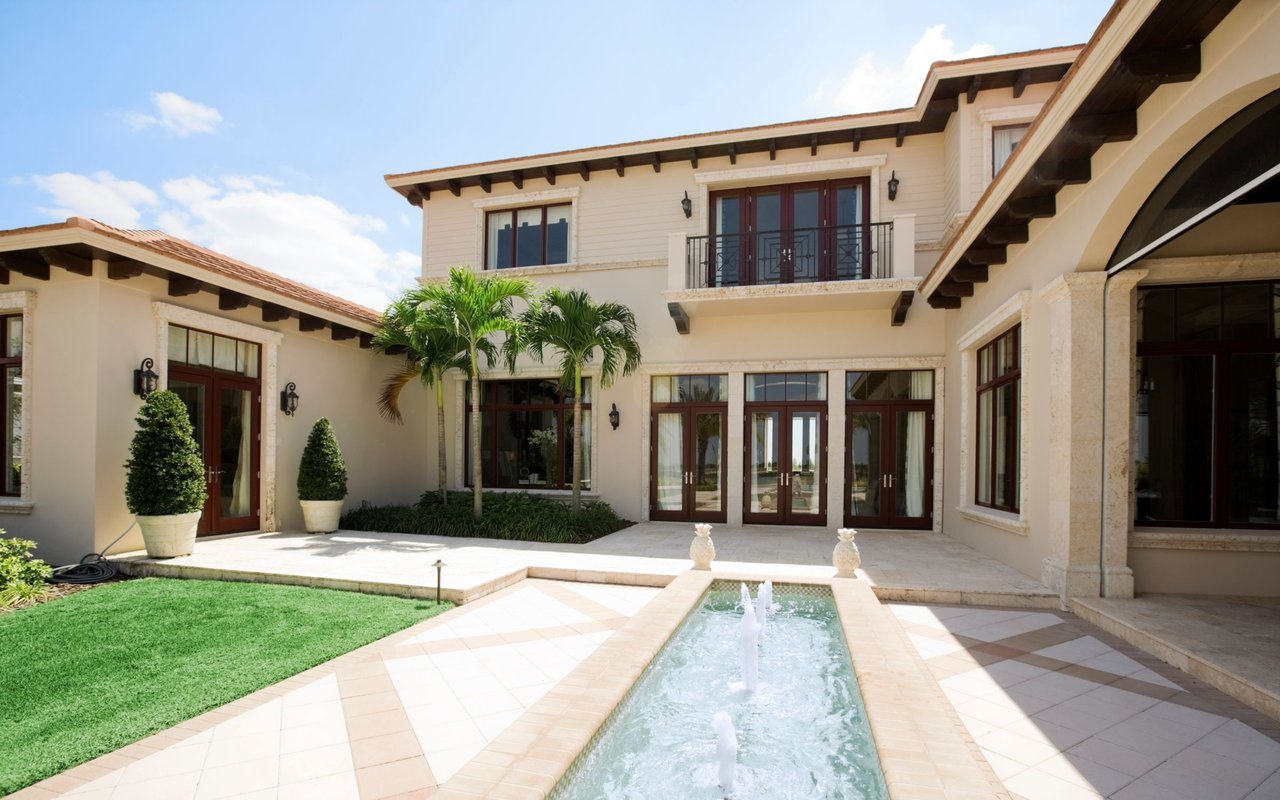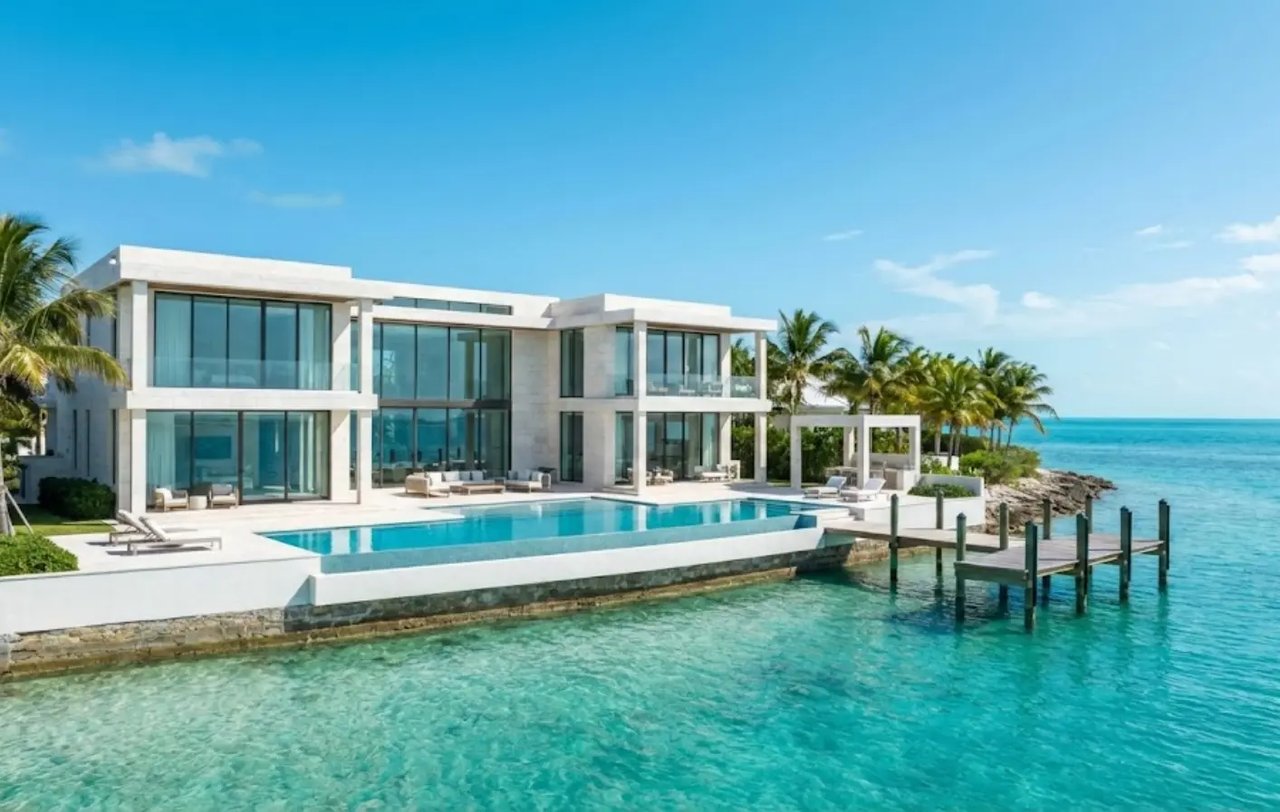
If you are weighing Freeport as a condo market, the first question is not price. It is fit. Beachfront condos suit second-home buyers. Canal or marina condos suit boating-minded owners. Resort-adjacent residences fit seasonal use. More central condos work for buyers who care more about convenience than a direct water view. That approach makes sense in Freeport because the city is Grand Bahama’s commercial hub, with access through Grand Bahama International Airport and Port Lucaya.
Freeport also offers a very specific island rhythm. The official Bahamas tourism profile presents it as the country’s second-largest city, but the experience still leans toward open space, waterfront leisure, and nature access. Port Lucaya adds a social center for shopping and dining, while Lucayan National Park, beaches, and golf keep the lifestyle broad rather than purely urban. For condo buyers, that usually means more choice in how daily life feels.
Freeport condos for sale: which option fits?
Beachfront condos
This is the cleanest match for buyers who want a true second-home feel. The value here sits in the view, the ease of ownership, and the ability to arrive for a short stay without managing a large standalone house. In the luxury segment, beachfront condos also tend to work well for buyers who want a polished, lock-and-leave property.
Canal and marina-side condos
These fit a different buyer. They appeal to owners who care about boating access, water views, or a quieter residential feel. A canal-front condo may not deliver the same sandy-beach atmosphere as a beachfront unit, but it can offer a more private and lifestyle-specific ownership experience.
Golf or resort-adjacent condos
This option suits buyers who want amenities nearby without the upkeep of a villa. It can also make sense for part-time owners who want a predictable lifestyle pattern, not a complex ownership load. On Grand Bahama, golf remains part of the island’s appeal, which supports this type of condo search.
Central or town-oriented condos
These are practical choices for buyers who want easier access to dining, services, and everyday movement. They work especially well for relocation-minded buyers who plan to spend more time on island and want a home base that feels less like a vacation product and more like daily living.
How Freeport compares with Nassau and Paradise Island
This comparison matters for US buyers because many begin their Bahamas search with Nassau, then widen the map. Nassau, on New Providence, is the capital and a major entry point to the country. Paradise Island sits across the bridge from Nassau Harbour and is shaped heavily by large resorts and lively beach districts. Freeport presents a different mood. It is more spread out, less city-driven, and more nature-adjacent. In buyer terms, Nassau usually suits those who want a faster social pace, while Freeport often suits those who prefer calm, ease, and space.
That does not make one market better. It makes them useful for different lifestyles. A buyer focused on high-energy luxury, nightlife, and a more urban island setting may lean toward Nassau or Paradise Island. A buyer focused on a quieter second home, marina access, or a less intense day-to-day environment may find Freeport more natural.
What US buyers should check before buying
Foreign buyers should treat legal structure as a first-step issue, not a final-step detail. Bahamas government guidance makes clear that non-Bahamian acquisitions can fall under registration or permit routes, depending on the type of property and transaction. The framework exists to facilitate ownership, but buyers should confirm the current process with Bahamian counsel before signing or wiring funds.
After that, the real work begins at the building level. Review the condo association rules. Check reserve health, insurance posture, maintenance standards, rental limits, pet rules, and any renovation restrictions. In a luxury market, poor building management can reduce the appeal of an otherwise beautiful unit. Buyers should also check exposure, storm resilience, parking, generator support, and the quality of shared amenities.
When this option makes sense
A Freeport condo makes the most sense when the buyer wants low-friction ownership in the Bahamas. It suits second-home owners, part-time island residents, buyers who do not want to maintain a large house, and investors who care more about asset usability than just square footage. It also fits buyers who like the Bahamas lifestyle but do not need Nassau’s city energy to enjoy it.
For relocation-minded readers, this is also a smart entry point into the wider Bahamas property conversation. It helps answer a bigger question: do you want your island life to feel social and urban, or peaceful and spacious? That distinction often shapes the right island before it shapes the right building.
9. Table
|
Condo option |
Best for |
Main upside |
Main trade-off |
|
Beachfront condo |
Second-home buyers |
Direct water lifestyle, easy lock-and-leave ownership |
Premium positioning matters more |
|
Canal or marina condo |
Boaters, quiet-lifestyle buyers |
Privacy, water access, relaxed residential feel |
Not always walk-out beach living |
|
Resort-adjacent condo |
Seasonal luxury owners |
Amenities nearby, lower maintenance than a villa |
Lifestyle can feel more hospitality-led |
|
Golf-adjacent condo |
Leisure-focused buyers |
Structured lifestyle, amenity appeal |
Golf setting may matter more than beach access |
|
Central condo |
Relocation-minded buyers |
Convenience, services, practical daily living |
Less resort-style atmosphere |
10. Pros and Cons
Pros
-
Easier ownership than a large standalone home
-
Strong fit for second-home and lock-and-leave use
-
Lifestyle range, from beachfront to marina-oriented living
-
Softer pace than Nassau for many buyers
-
Useful entry point into Bahamas property ownership
Cons
-
Building quality varies more than photos suggest
-
Condo rules can limit rentals, pets, or renovations
-
Some buyers may find Nassau more dynamic
-
Not every condo delivers true luxury-level management
-
View and exposure can affect long-term satisfaction
11. Common Mistakes
-
Buying for a view only, without checking building management
-
Assuming every waterfront condo has the same lifestyle value
-
Ignoring association rules, reserves, and insurance details
-
Comparing Freeport and Nassau as if they serve the same buyer
-
Treating legal review as paperwork instead of risk control
12. Key Takeaways
-
Freeport works best for calm, low-maintenance island ownership.
-
Condo type matters more than broad market labels.
-
Freeport and Nassau serve different lifestyles.
-
Building quality and association health matter as much as location.
-
US buyers should confirm legal steps early.
13. FAQs
Are Freeport condos a good fit for second-home buyers?
Yes. They suit buyers who want lock-and-leave ownership, lower upkeep, and a relaxed Grand Bahama lifestyle.
Is Freeport the same kind of market as Nassau?
No. Nassau feels more urban and resort-linked, while Freeport usually feels quieter, more open, and more laid-back.
Do foreign buyers need special approval to buy in the Bahamas?
Sometimes. Bahamas rules use registration and permit pathways, so buyers should confirm the right route before closing.
What matters most when choosing a condo building?
Check management quality, reserves, insurance, rules, maintenance standards, and storm-readiness before the finish level.
Are marina condos better than beachfront condos?
Not better, just different. Marina units suit boating and privacy, while beachfront units suit classic island second-home use.
14. Conclusion
For buyers sorting through freeport condos for sale, the strongest move is to choose by lifestyle first, then by building quality, ownership rules, and long-term ease. Freeport stands apart because it offers a more relaxed Grand Bahama setting, while Nassau and Paradise Island serve buyers who want a faster, more urban luxury rhythm. The smarter purchase is not the most dramatic unit. It is the condo that fits how you actually plan to live, stay, or invest in the Bahamas.