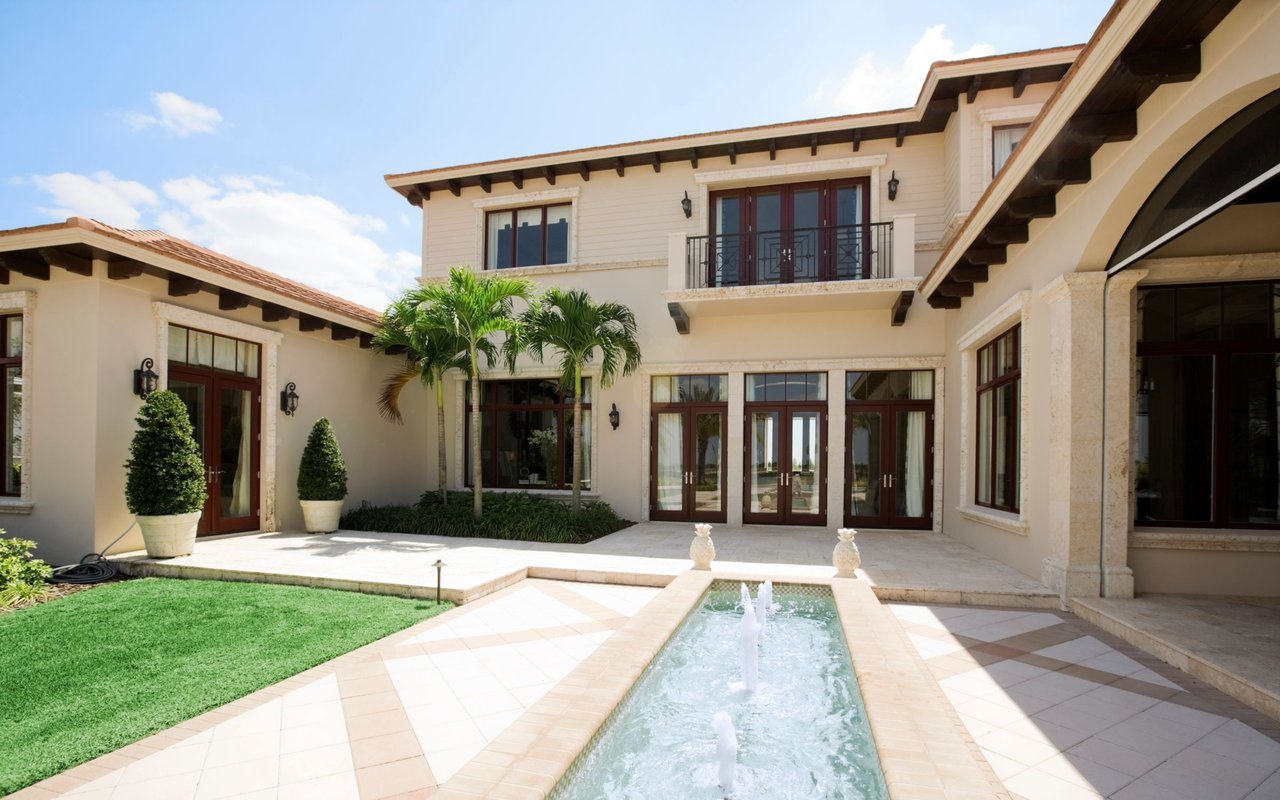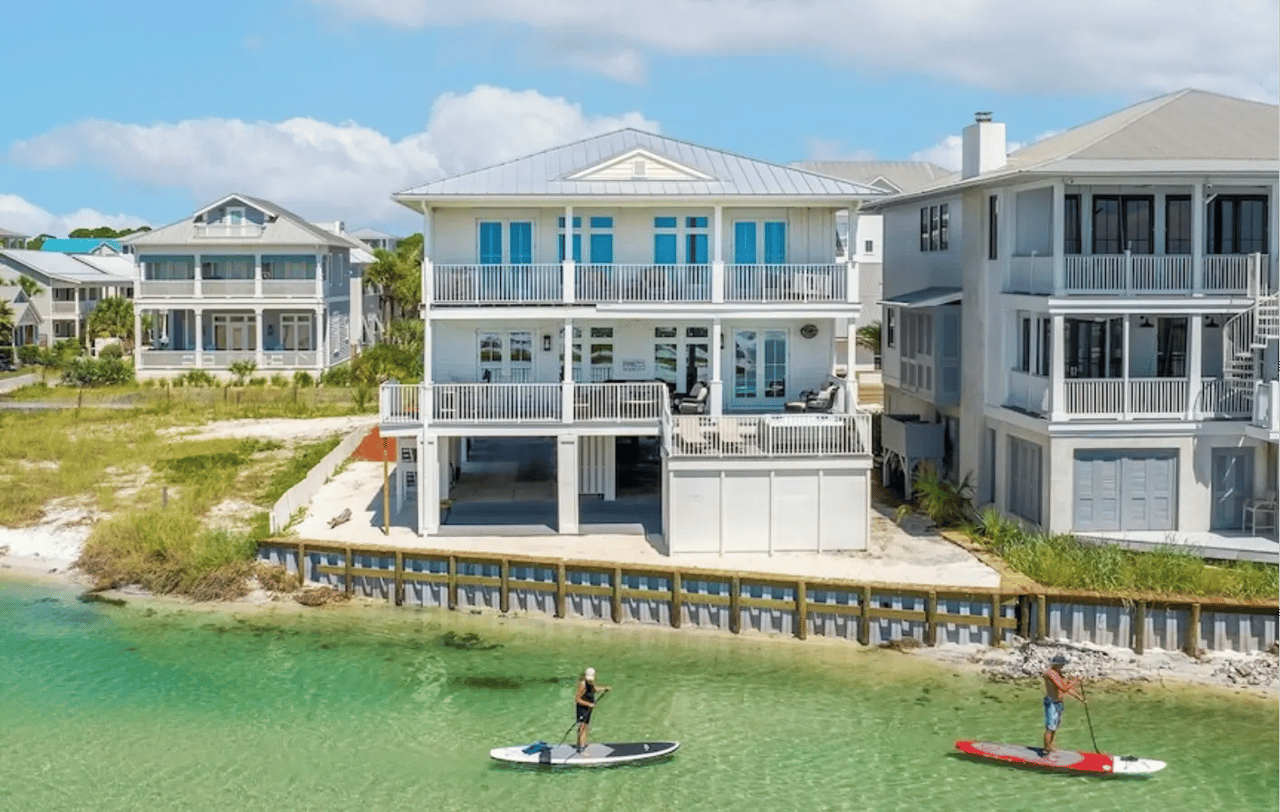
For ready-to-buy overseas buyers, the biggest mistake is treating a Bahamian purchase like a simple resort transaction. It is not. If you want to buy a house in bahamas, you need a licensed local team, an attorney-led title review, the right foreign-buyer approval path, and a realistic view of taxes and closing costs before you sign anything.
Quick answer: the standard path is to choose the property, make an offer, sign an Agreement for Sale with a deposit, let a Bahamian attorney investigate title, complete the required foreign-buyer approval or registration, pay VAT and closing costs, execute the deed of conveyance, and then have the deed stamped and recorded. In most cases, the legal work and post-closing filings matter just as much as the negotiation itself.
How to buy house in bahamas in 8 clear steps
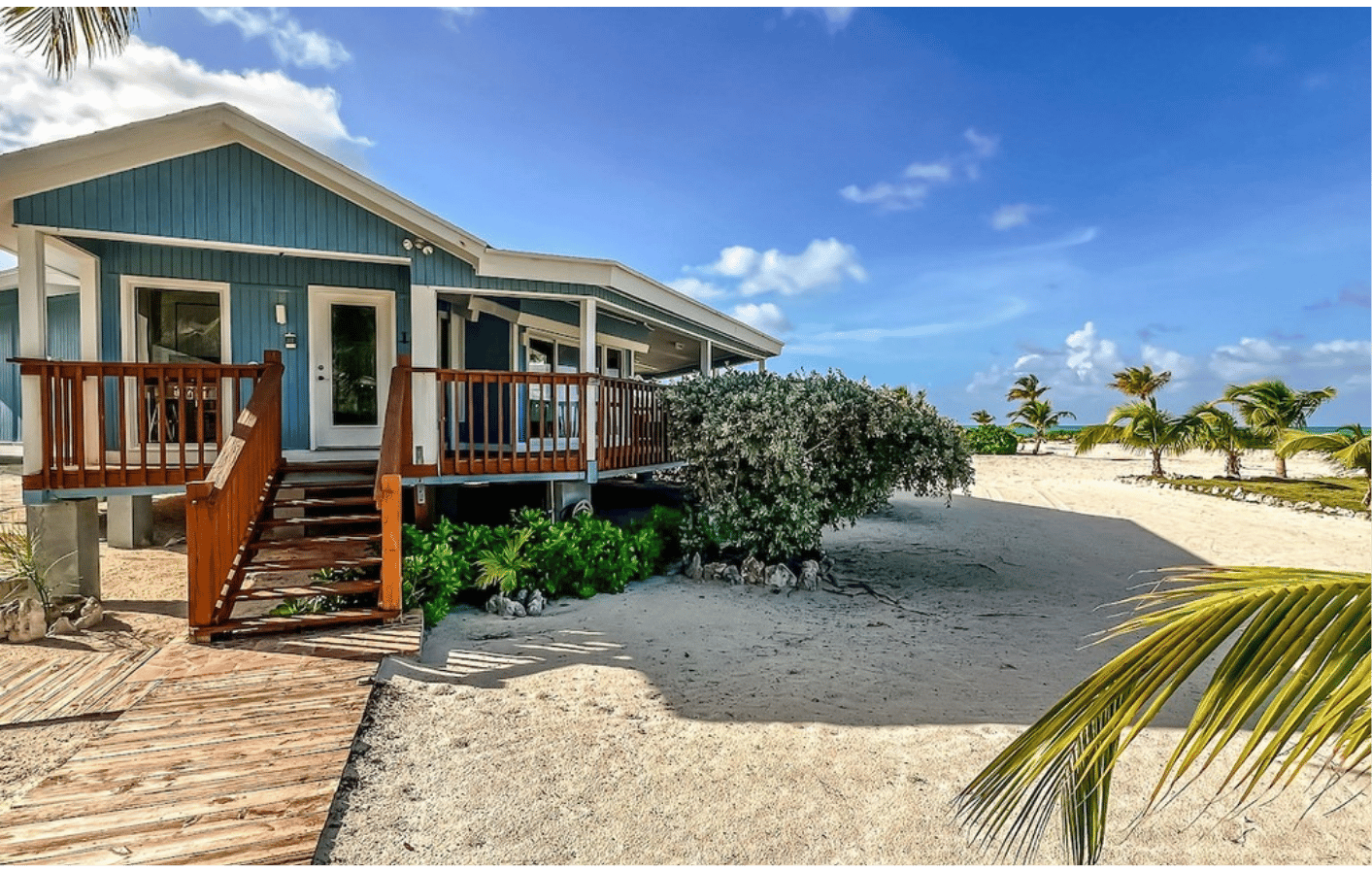
Step 1: Set your budget and intended use
Start with two decisions: what you can spend all-in, and how you plan to use the property. A personal-use home, a second home, a rental property, and a commercial or development purchase can follow different approval and tax paths. In The Bahamas, intended use affects both foreign-investor approvals and how annual Real Property Tax may apply after closing.
That means your budget should include more than the purchase price. You should model transfer VAT, legal fees, recording costs, annual property tax, insurance, and any property management or short-term rental compliance costs if the home will generate income.
Step 2: Build the right local team
Use a licensed Bahamian real estate professional and a Bahamian attorney from the start. The Bahamas Real Estate Association, or BREA, is the regulatory body for real estate agent licensing and conduct, and Bahamian conveyancing practice is attorney-led. That matters because the country still operates largely through a deeds system rather than a modern registered land system.
In practice, your agent helps with sourcing and negotiation, while your attorney protects your position on title, contract terms, taxes, and filings. Do not wait until after your offer is accepted to find counsel.
Step 3: Make an offer and sign the Agreement for Sale
Once price and terms are agreed, the next key document is the Agreement for Sale. In Bahamian practice, the purchaser usually provides a deposit when the agreement is signed, and law firms note that the deposit is commonly around 10% of the purchase price. Agreements are often drafted subject to financing and required government approvals, which protects the buyer if those conditions are not satisfied.
This is the point where overseas buyers should slow down and read the contract carefully. The agreement should clearly address closing date, what happens if title issues appear, who pays which closing costs, and whether the sale is structured as a gross sale or a net sale.
Step 4: Complete title search and due diligence
Title work is where a lot of international buyers underestimate the process. The Bahamas does not yet operate with a universal land registry for ordinary conveyancing, so attorneys investigate title through searches in the Registry of Records and other registries. Chambers notes that good and marketable title is established through documentary searches, and title must usually trace back to a root of title at least 30 years old, a Crown Grant, or a Certificate of Title under the Quieting Titles Act.
Your attorney will also raise requisitions if something needs clarification or correction before closing. That may include liens, judgment issues, missing documents, unpaid property tax, boundary questions, or inconsistencies in the chain of title. This is one reason even straightforward residential deals can take months rather than weeks.
Step 5: Handle foreign-buyer approvals and financing
Foreign ownership is allowed, but the approval route depends on what you are buying and how you will use it. Under the International Persons Landholding Act, some residential acquisitions can be registered after closing, while other transactions, including certain investment, commercial, or subsequent purchases, require a permit from the Investments Board/Bahamas Investment Authority. Law firms also note that buying without the correct approval can create a title problem.
If you need financing, start early. Local banks do offer mortgage products, but a financed deal adds underwriting, document collection, and timing risk. More importantly, your sale agreement may need to be expressly conditional on financing approval.
If the home will be used for vacation rentals or short-term rentals, raise that before closing, not after. Rental use can change the approval analysis and can also create VAT obligations for the rental activity itself.
Step 6: Review taxes, legal fees, and the closing statement
Before you wire the balance, ask for a full closing statement. For foreign buyers, the transfer of real property is generally subject to 10% VAT on the conveyance. In market practice, a gross sale often means buyer and seller split the transfer tax, while each side pays its own legal fees; in a net sale, the buyer can end up paying far more.
Legal fees are commonly charged as a percentage of value. A well-known local benchmark is around 2.5% per side plus VAT, though that can be negotiated, especially on higher-value transactions. Smaller recording and filing fees also apply.
Step 7: Close and sign the deed
Closing in The Bahamas is not just a handover of keys. Title is transferred by deed, and Chambers notes that strict deed formalities still apply, including original wet signatures, notarisation, and, in some cases, further authentication. The deed must then be stamped by the Department of Inland Revenue, and any outstanding property taxes usually have to be current before stamping is completed.
At closing, the buyer pays the balance, the deed of conveyance is executed, and the attorneys coordinate the transfer documents and tax payment process. That is why experienced overseas buyers treat the closing lawyer as essential, not optional.
Step 8: Record, register, and update tax records
Closing is not the final step. The deed must be lodged in the Registry of Records to establish priority, and since July 1, 2025, all conveyances must be lodged for recording within 180 days of execution. Separately, the 2024 amendment to the International Persons Landholding Act states that a permit can expire if the holder fails within 180 days to submit the acquisition instrument for VAT processing, pay the VAT due, and make the required return for property tax purposes.
This is the step many foreign buyers never see because their attorney handles it. Still, it is worth asking for written confirmation that the deed has been stamped, recorded, and that the correct post-closing registration or permit filings have been completed.
Costs to budget for before you close
Here is the short list every overseas buyer should underwrite:
-
Transfer VAT on the conveyance: for a foreign person, the current rate is generally 10%.
-
Legal fees: often around 2.5% per side plus VAT, subject to the transaction and the firm.
-
Annual Real Property Tax: this depends on classification, such as owner-occupied, residential, commercial/foreign-owned rental, or foreign-owned vacant land. The Department of Inland Revenue publishes different rates for each category.
-
No local personal income, capital gains, or inheritance tax: this is one reason the jurisdiction remains attractive, but it does not remove your tax obligations in your home country.
Common mistakes overseas buyers make

The first is assuming the listing price tells you the full cost. The second is using the wrong professionals or bringing in counsel too late. The third is treating a personal-use purchase, a beachfront vacation home, and an income-producing property as if they follow the same approval and tax route. They do not. A home near Paradise Island or New Providence that will sit mostly vacant is a different compliance story from a property intended for regular short-term rentals or commercial use.
Key takeaways
-
Use a licensed BREA real estate professional and a Bahamian attorney from day one.
-
Make sure your Agreement for Sale is written around your real risks, especially financing and foreign-buyer approvals.
-
Treat title review and post-closing filings as core parts of the deal, not paperwork to ignore.
-
Ask for a full written closing-cost sheet before you commit.
FAQ
Does buying a house in The Bahamas give you residency?
Not automatically. Under the International Persons Landholding Act, a non-Bahamian homeowner may apply for an annual homeowner resident card. Separate from that, the Department of Immigration says economic permanent residency requires a minimum $1 million qualifying investment, including real estate, held for at least 10 years.
How long does closing usually take?
A local Bahamian law firm notes that transactions typically take three to six months, sometimes less depending on the circumstances. Cash deals are usually simpler than financed ones because there are fewer moving parts.
Can foreigners buy vacation homes or investment properties?
Yes, but the approval path can change depending on whether the property is for residential use, a subsequent purchase, investment use, or commercial use. Rental activity can also create separate VAT and compliance obligations.
Do I really need a Bahamian attorney?
Yes. Bahamian real estate transactions are attorney-led, and the legal work covers the contract, title investigation, deed preparation, tax handling, recording, and foreign-buyer compliance.
Conclusion
The smartest way to buy a house in the Bahamas is to think like a buyer and an operator at the same time. Find the property you love, but underwrite the legal process, the tax treatment, the approval route, and the post-closing work with equal care. That is what keeps a dream purchase from turning into an expensive clean-up project.
For a ready-to-buy user, the best next move is simple: shortlist the property, appoint your attorney early, and ask for a written deal memo that shows purchase price, approval route, transfer VAT, legal fees, annual property tax category, and post-closing actions before you sign.