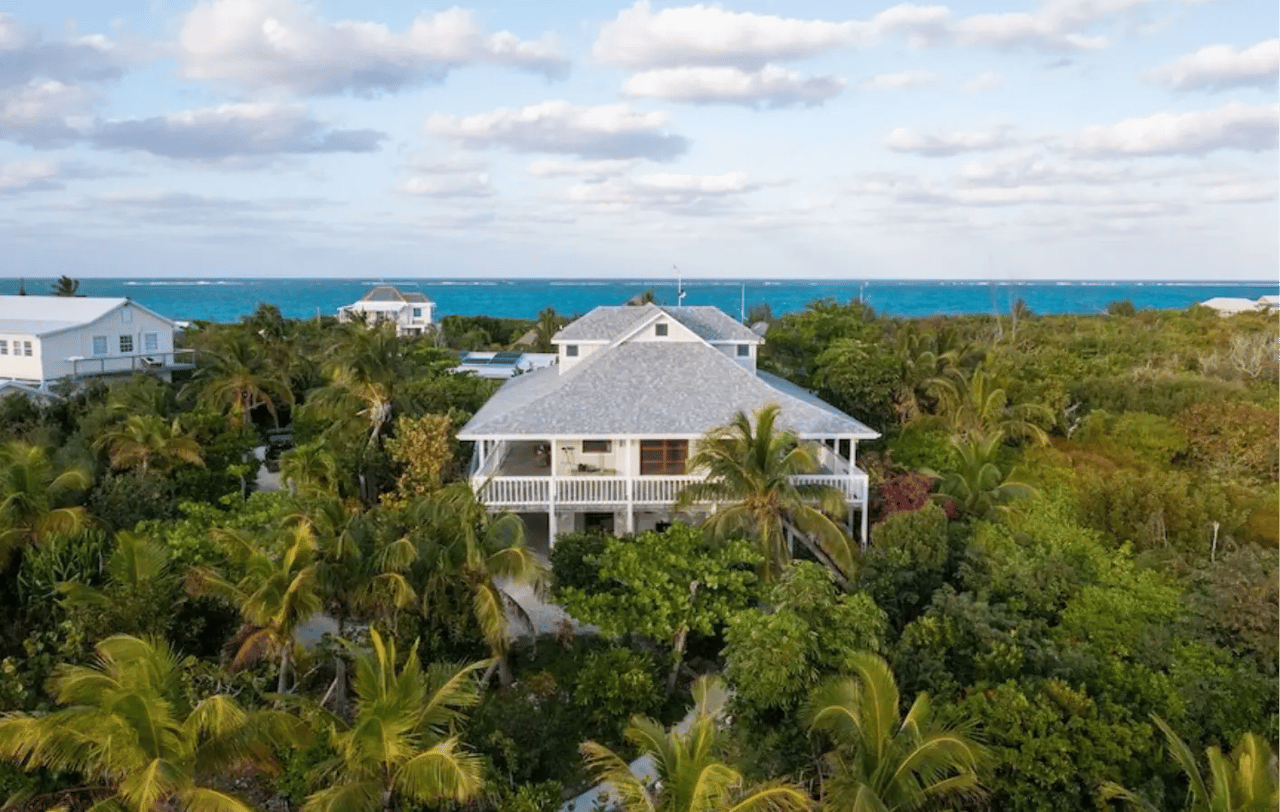
Waterfront property in The Bahamas can be an exceptional lifestyle purchase, but it is also one of the easiest categories to misjudge. The view can sell you fast. The real work starts when you test the legal status, shoreline exposure, dock access, insurance cost, and long-term resale logic behind the listing. Recent Bahamas market reports also indicate a buyer environment where pricing can remain firm while deal speed slows, making careful comparison even more important.
For most buyers comparing Bahamas waterfront homes for sale, the smartest first move is not asking, “Is this beautiful?” It is asking, “Is this property legally clean, structurally storm-ready, insurable at a sensible cost, and located in the right submarket for my intended use?” In The Bahamas, that means checking the title path, whether your purchase requires registration or a permit, the house’s elevation and wind resilience, and the true annual carrying cost before you negotiate price.
Check five things first.
-
Legal fit: confirm whether your purchase falls under registration or requires an Investments Board permit.
-
Waterfront risk: inspect elevation, shoreline condition, seawalls, docks, drainage, and storm exposure. The Bahamas Building Code specifically addresses wind loads, foundations, and even seawalls, bulkheads, and docks.
-
Insurance reality: get insurance quotes before making a final offer, not after.
-
Location economics: compare not just island to island, but neighborhood to neighborhood.
-
Exit strategy: buy the kind of property future buyers will also understand quickly. Recent market commentary shows selective demand and slower transaction velocity in parts of the market.
Why Buy Waterfront Homes in The Bahamas?
Market strength and buyer demand
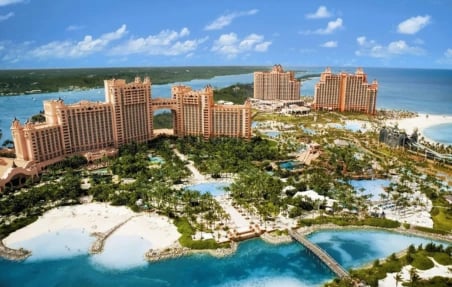
The Bahamas remains one of the Caribbean’s most active luxury residential markets, with high-end demand concentrated in a relatively small number of islands and communities. Knight Frank’s 2025/26 digest describes Nassau, Paradise Island, Harbour Island, the Exumas, and Bimini as key hubs, while a separate Q1 2025 market report shows rising prices in many segments even as transaction velocity slows. That combination usually rewards buyers who are precise rather than impulsive.
Investment appeal for international buyers
Prime Bahamian waterfront property appeals to international buyers because it can serve multiple roles at once: second home, seasonal base, family asset, and in some cases rental or resale play. Knight Frank says U.S. and Canadian purchasers account for most prime-market activity, which matters because it supports a deep pool of internationally minded buyers when you eventually sell.
Lifestyle and livability
The appeal is not only financial. Waterfront living in The Bahamas often means boating access, reef and fishing proximity, beach use, privacy, and resort-style amenities. The same factors that make a property emotionally attractive, though, also affect maintenance, storm resilience, and insurance. In other words, the lifestyle upside and due-diligence burden rise together.
Popular Locations for Waterfront Buyers
Paradise Island
Paradise Island is the strongest fit for buyers who want a polished luxury environment with branded residences, marina access, and a more condominium-heavy product mix. Current listings show upper-tier inventory around roughly $2.4 million to $3.6 million for premium units, which makes the area easier to compare on service level, building quality, and amenity package than on land value alone.
Grand Bahama and West End
Grand Bahama, including West End, can offer more space and more pricing variety than the New Providence side of the market. Current listings range from lower-cost land to seven-figure waterfront houses, including homes around $1.15 million to $3.5 million in the West Grand Bahama snapshot. This tends to suit buyers who want square footage, canal frontage, or development upside more than ultra-tight trophy scarcity.
Harbour Island
Harbour Island is a scarcity market. Current listings range from luxury apartments in the multi-million-dollar band to houses above $10 million and even higher-end trophy product. That kind of spread usually means the premium is being set by location quality, beach access, and exclusivity rather than just bedroom count.
Lyford Cay and Old Fort Bay
Lyford Cay and Old Fort Bay are among the clearest choices for buyers who prioritize gated privacy, controlled entry, and boating-oriented prestige. Current luxury listings in these enclaves run from roughly the mid-single-digit millions to well above $20 million, and in some cases much higher. These are markets where community profile, frontage quality, dock potential, and privacy level matter as much as the house itself.
How to Compare Bahamas Waterfront Homes for Sale
Location and water exposure
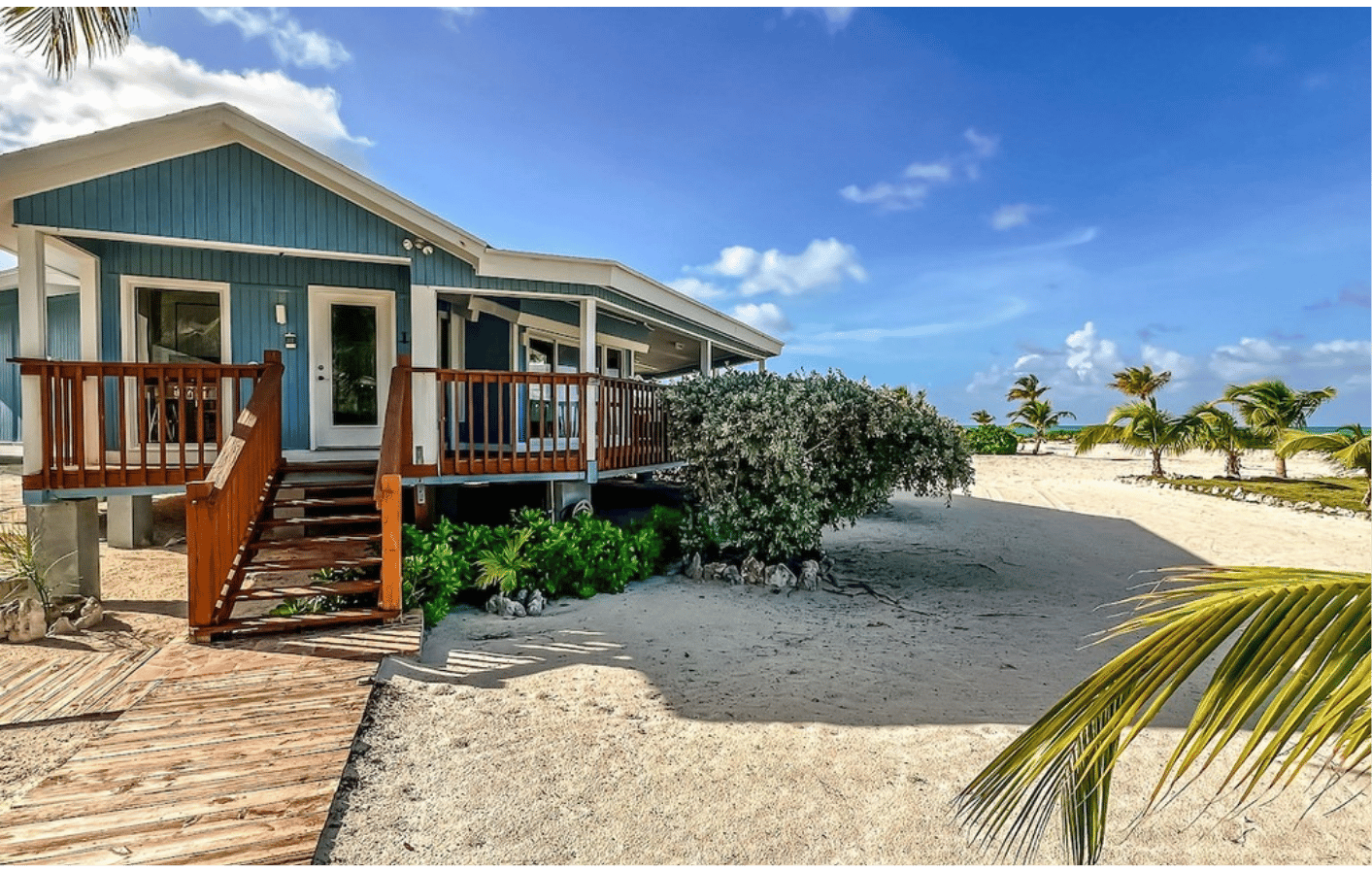
When you compare Bahamas waterfront homes for sale, start with the water itself. Oceanfront, beachfront, canal-front, and marina-adjacent properties are not interchangeable. Ask how exposed the house is to wind and surge, how high the finished floor sits relative to surrounding grade, whether the beach is stable or erosive, and what shoreline protection already exists. A canal home with protected docking may outperform an exposed beach house for a boat owner, while the opposite may be true for a pure lifestyle buyer. The Bahamas Building Code’s focus on wind loads, foundations, and marine-edge structures makes these questions central, not optional.
Dock, marina, and access checks
A “private dock” headline is not enough. Confirm water depth, turning radius, tidal usability, bridge restrictions, easements, shared-access rules, and the physical condition of pilings, decking, lifts, and bulkheads. Also check whether the property’s value story depends on boating access or beach access, because the resale buyer for each is different. Waterfront value gets stronger when access is practical, not just photogenic.
Insurance, upkeep, and resale fit
Insurance and upkeep can quietly change the quality of a deal. Before you commit, estimate wind cover, flood cover, generator needs, seawall maintenance, dock repairs, salt-air corrosion, landscaping, and any HOA or marina fees. Then ask a simple question: if you had to sell this home in three to five years, would the next buyer understand its value quickly, or would the property need too much explanation? That question protects you from overpaying for highly personal features with weak resale pull.
Types of Waterfront Properties Available
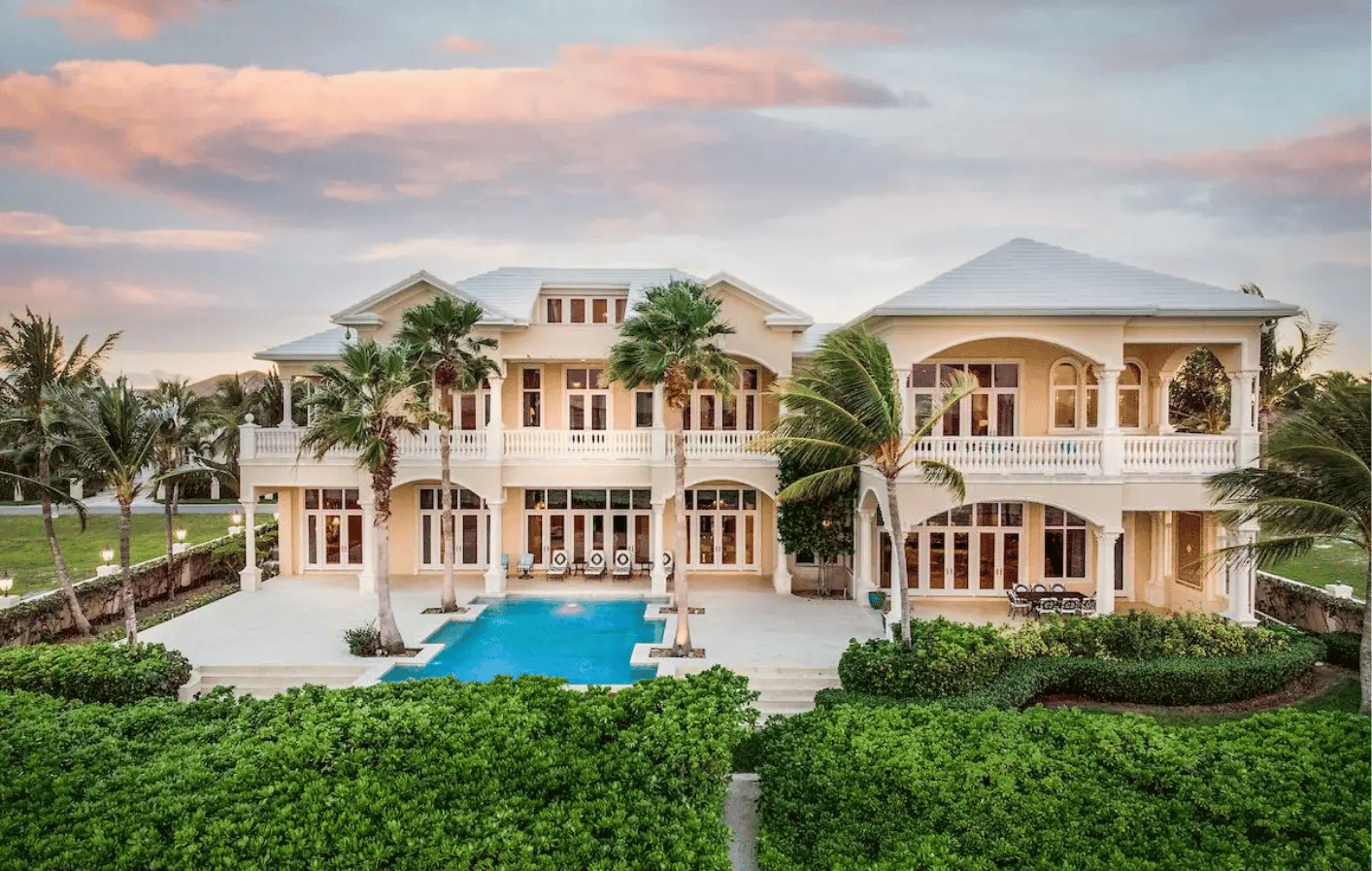
Estates, condos, canal homes, and rentals
Most buyers in The Bahamas end up comparing four broad categories:
-
Luxury waterfront estates: best for privacy, entertaining, and land control.
-
Beachfront or marina condos: best for lock-and-leave convenience and managed amenities.
-
Single-family canal homes with docks: best for owners who actually boat.
-
Vacation-oriented homes: best when lifestyle use and rental logic both matter.
The right choice depends less on budget alone and more on whether you want simplicity, boating function, rental flexibility, or long-term legacy value. Current listing snapshots across Paradise Island, Harbour Island, Lyford Cay, and Old Fort Bay show all four categories present in the market, but at very different pricing bands.
Luxury features that matter
Infinity pools, impact-rated glazing, backup power, water storage, smart-home controls, and security upgrades sound like luxury features, but on an island property they are also operational features. A beautiful home with poor storm hardening can be less desirable than a slightly less dramatic one that is easier to insure and maintain.
Legal Requirements for Buying Property in The Bahamas
What foreign buyers can own
Foreign buyers can buy property in The Bahamas, but the approval path depends on what is being purchased and how it will be used. Under the International Persons Landholding Act, a non-Bahamian buying a condominium or owner-occupied property generally applies to register the acquisition, unless the purchase is undeveloped land that would make the buyer the holder of two or more contiguous acres. If the acquisition falls outside that section, a permit is required.
Registration vs permit
This distinction matters because a transaction that should have had the required certificate or permit can be legally defective. The Act also says the acquisition documents must be recorded with the relevant certificate or permit, and that a non-Bahamian pays the same stamp duty rate as a Bahamian. This is why foreign buyers should never treat the legal paperwork as routine clerical work.
Title search, tax status, and legal review
Before closing, your Bahamas attorney should verify title, confirm the seller’s right to convey, review surveys and boundaries, check for encumbrances, confirm current real property tax status, and match the contract structure to your intended use. This is especially important with waterfront property, where boundaries, access, and marine improvements can materially affect value. The Real Property Tax Act also establishes an ongoing property-tax regime, so annual tax exposure belongs in your underwriting from day one.
Financing and Total Ownership Costs
Mortgages and private financing
Local financing exists, but buyers should not assume it will mirror U.S. or UK mortgage expectations. The Central Bank of The Bahamas relaxed residential mortgage lending rules in late 2023, allowing institutions more flexibility on down payment requirements, but lender policy still varies. For foreign lenders, the legal framework can require transaction-specific approvals when real estate security is involved.
Stamp duty, property tax, and operating costs
Your budget should cover more than purchase price. In addition to stamp-duty exposure under the governing legal framework, you may face legal fees, valuation or survey costs, due-diligence expenses, insurance premiums, real property tax where applicable, and recurring waterfront upkeep. For non-resident owners, exchange-control rules on residential property transactions have also been liberalized for repatriation through commercial banks in certain cases, which is helpful on exit but still something to confirm early with counsel and your bank.
Safety and Insurance Considerations
Hurricane resilience
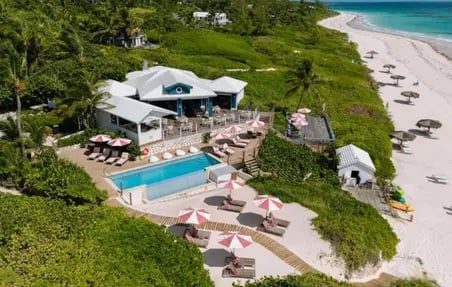
A waterfront buyer in The Bahamas should review wind resilience as carefully as interior finishes. The official building code includes sections on wind loads, roof structures, doors and windows, and even marine-edge elements such as seawalls, bulkheads, and docks. That means your inspection should include roof fastening, glazing type, shutters or impact protection, generator setup, drainage, and visible salt-air deterioration.
Flood and storm cover
Flood risk is not the same as general homeowner risk. For waterfront homes, storm surge, drainage, prior water intrusion, and insurer appetite can change the annual cost of ownership significantly. Even when financing is not involved, getting an insurance indication before final commitment is a practical buyer safeguard.
Building-code questions to ask
Ask for permits, renovation history, storm repairs, inspection reports, dock or seawall maintenance records, and any evidence of prior flood or hurricane claims. A seller who can document resilience is easier to underwrite and usually easier to resell.
Steps to Buy Successfully
-
Define your use case first. Decide whether this is a primary residence, second home, boating base, rental asset, or long-term family holding. That determines the right island and property type.
-
Narrow by submarket, not just island. Paradise Island, Harbour Island, Grand Bahama, Lyford Cay, and Old Fort Bay serve very different buyer profiles and price bands.
-
Underwrite the risk before the emotion. Get legal review, insurance guidance, structural inspection, survey review, and shoreline/dock evaluation before you negotiate hard on price.
-
Close with exit in mind. The best purchases are easy to explain later: clean title, clear access, defensible pricing, storm-ready structure, and location quality.
FAQ
Can foreigners buy property in The Bahamas?
Yes. Foreign buyers can buy property in The Bahamas. Under the International Persons Landholding Act, many condominium and owner-occupied purchases are handled through registration, while other acquisitions require an Investments Board permit. The same Act also provides for an annual home owner resident card for qualifying non-Bahamian homeowners; that is not the same thing as citizenship.
How much do waterfront homes cost in The Bahamas?
There is no single price point. Current listing snapshots show Paradise Island premium residences around $2.4 million to $3.6 million, West Grand Bahama waterfront houses around $1.15 million to $3.5 million in the visible sample, Harbour Island offerings from about $3.7 million into eight figures, and Lyford Cay or Old Fort Bay inventory commonly in the mid-single-digit millions and above. Those are listing examples, not valuations, but they show how sharply prices vary by island, frontage, and community.
Is Bahamas real estate a good investment?
It can be, but only if the property matches a clear use case and a realistic exit strategy. Recent market reporting points to resilient pricing in many luxury segments, yet also shows slower transaction speed and more selective buyers.
What taxes apply when buying property in The Bahamas?
At minimum, buyers should plan for stamp-duty exposure on the transaction and ongoing real property tax where applicable. Non-Bahamians pay the same stamp-duty rate as Bahamians under the International Persons Landholding Act, and the Real Property Tax Act governs annual property-tax liability.
Conclusion
The best waterfront purchase in The Bahamas is rarely the one with the strongest photos. It is the one where title, approval path, storm resilience, insurance economics, and location logic all line up. For buyers reviewing bahamas waterfront homes for sale, that is the real comparison framework: not just beauty, but legal clarity, coastal durability, and resale quality.