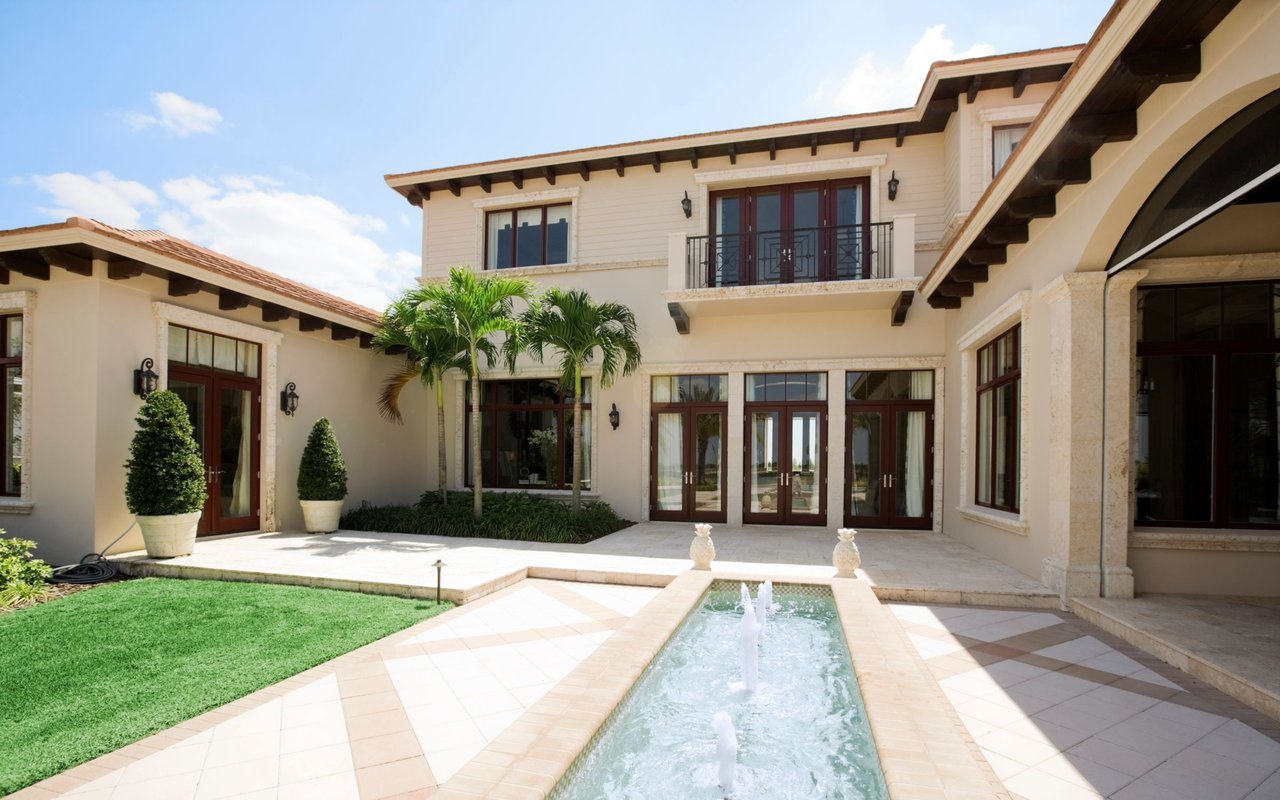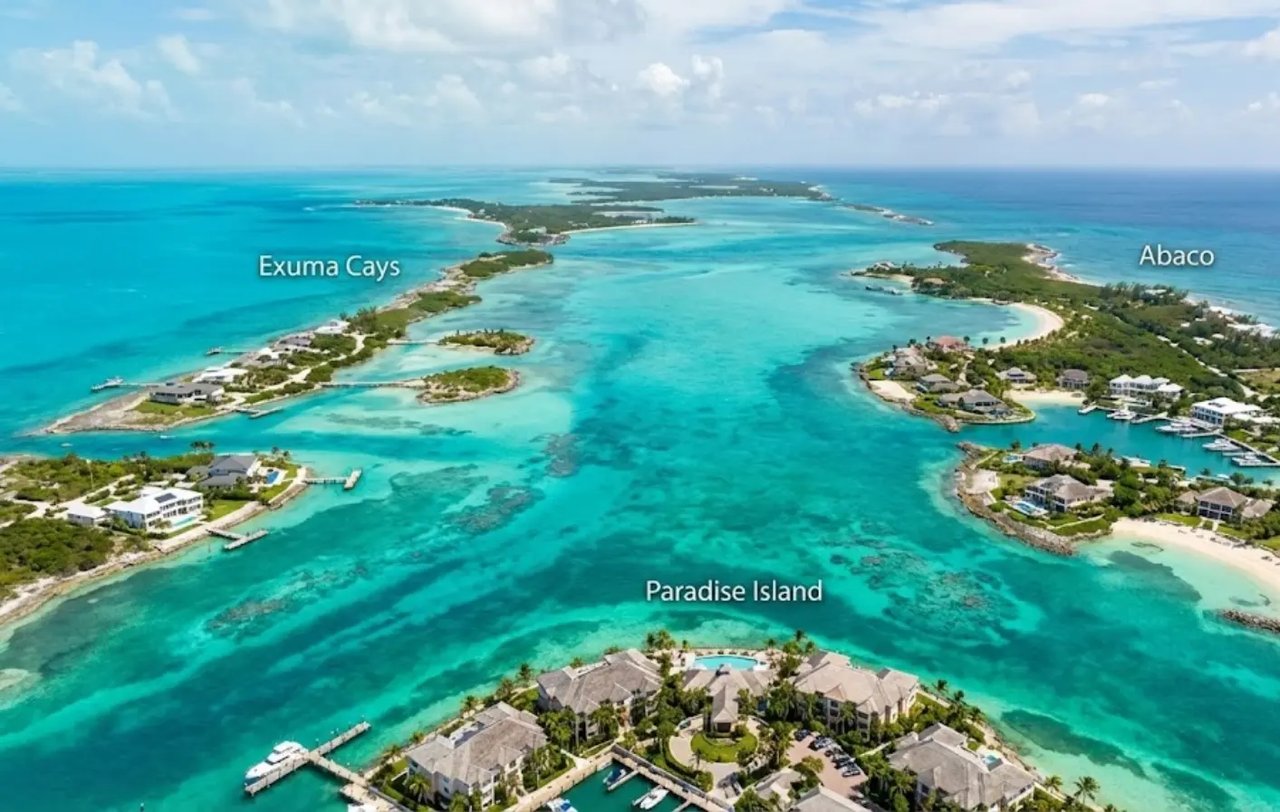
Property investment in the Bahamas offers a unique mix of tax neutrality, stable tourism-driven ROI, and a clear path to permanent residency. With no income tax, capital gains tax, or inheritance tax, the market is mature and highly attractive to international buyers looking to diversify their portfolios with tangible assets.
Why are investors flocking to this coral archipelago? Beyond the turquoise waters, it comes down to financial strategy and lifestyle. Whether you are eyeing luxury beachfront mansions in Nassau or vacation rentals in the Exuma Cays, understanding the market dynamics is crucial. Are you ready to secure an asset that doubles as a paradise retreat?
Quick Summary
-
Economic Stability: The Bahamian dollar is pegged 1:1 with the USD, ensuring financial stability.
-
Tax Benefits: Investors enjoy zero income, capital gains, or inheritance taxes.
-
Residency: Investments over $750,000 USD can expedite permanent residency applications.
-
Ownership Rights: Foreign buyers enjoy the same freehold ownership rights as Bahamian citizens.
Why choose property investment in the Bahamas now?
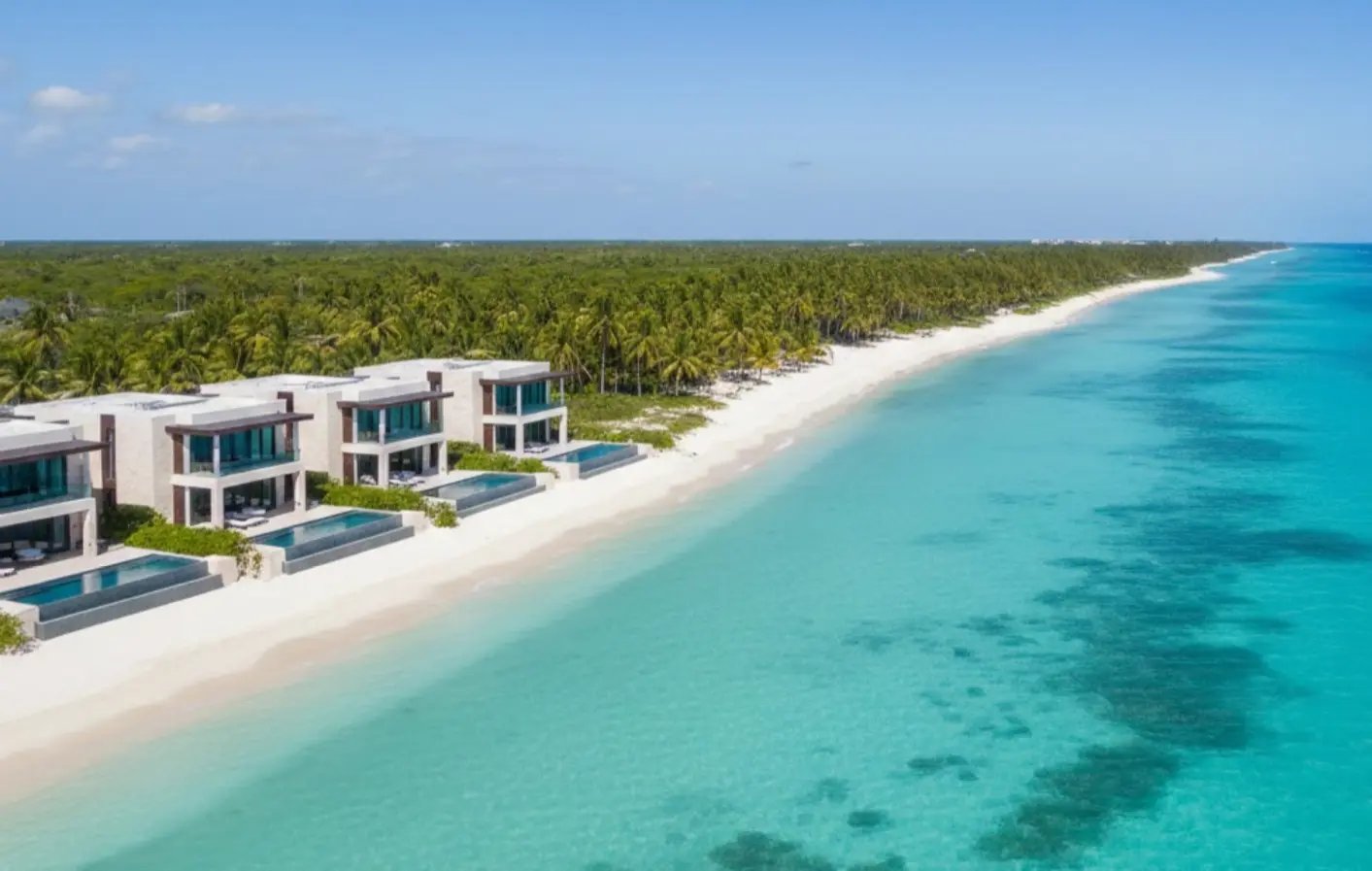
The Bahamas isn't just a vacation destination; it is a financial haven. The combination of a robust tourism industry and a sophisticated financial services sector creates a solid foundation for real estate.
A Stable Economy Driven by Tourism and Finance
The economy here is one of the most prosperous in the region. It is fueled heavily by tourism and offshore banking. Because the Bahamian Dollar is pegged to the US dollar, exchange rates are stable, eliminating the currency fluctuation risks often found in other island nations.
Significant Tax Advantages for Investors
For many, the primary draw is the Bahamas' tax-neutral status. You won't lose profit to capital gains tax when you sell, nor will you pay income tax on your rental income. However, be aware of Value Added Tax (VAT) on services and Stamp Duty on property conveyances.
Unparalleled Lifestyle and Strategic Location
Located just 50 miles off the coast of Florida, The Bahamas offers easy access to major US hubs via Lynden Pindling International Airport. This proximity makes it a prime location for second homes and short-term rentals.
How is the Bahamian real estate market performing?
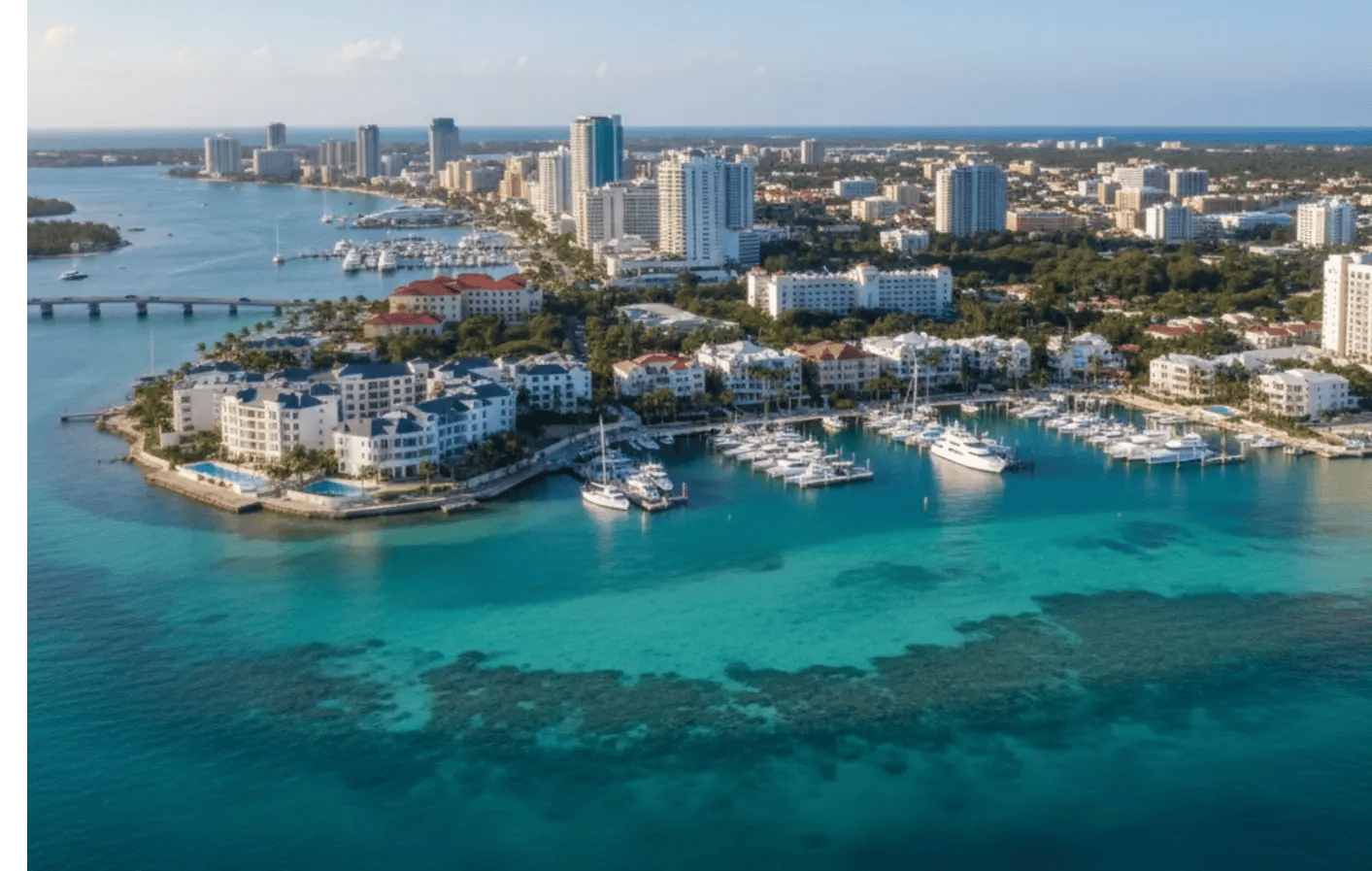
Understanding the Bahamian real estate market requires looking at diverse trends across the archipelago. From bustling New Providence to the quiet Family Islands, the opportunities vary significantly.
Current Market Trends and Future Projections
The market has shown resilience, with a surge in demand for luxury homes and gated community properties. Market fluctuations are generally less volatile here due to the high volume of cash transactions and the desirability of the location among high-net-worth individuals.
Diverse Investment Opportunities
-
Residential Properties: Condos in Nassau Harbour or villas in Lyford Cay.
-
Commercial Properties: Office spaces in financial districts or retail spots near cruise ports.
-
Vacation Rentals: High ROI potential in tourist hotspots due to year-round demand.
Key Investment Hotspots: A Comparative Analysis
-
Paradise Island: High-end condos and resorts; excellent for rental income.
-
Grand Bahama: More affordable entry points; industrial and tourism mix.
-
Abaco Islands & Exuma Cays: Perfect for boaters and those seeking luxury privacy.
-
Old Fort Bay & Albany: Exclusive communities popular with international celebrities.
What steps do foreign buyers need to take?
Buying property here is straightforward, but it differs from the US or UK processes. The International Persons Landholding Act governs how non-Bahamians acquire real estate.
Assembling Your Expert Team
You cannot navigate this alone. You need a reputable real estate agent and a local attorney. Your lawyer is essential for drafting the title opinion and ensuring the deed of conveyance is clear of liens.
Legal Frameworks for Foreign Investors
Foreign buyers generally do not need a license to buy up to five acres for a single-family home. You simply need to register the purchase with the Bahamas Investment Authority or the Foreign Investment Board after closing.
The Step-by-Step Property Acquisition Process
-
Offer and Acceptance: Submit a formal offer; once accepted, pay a deposit (usually 10%) to the seller's attorney's escrow account.
-
Title Search: Your attorney reviews the title to ensure it is good and marketable.
-
Regulatory Approval: Apply for a permit if the property is over five acres or for commercial use; otherwise, register the purchase.
-
Completion: Sign the conveyance, pay the balance, and pay the requisite taxes.
Comprehensive Breakdown of Buying Costs and Taxes
Prepare for closing costs, which are typically shared between buyer and seller.
-
VAT (Stamp Duty): Ranges from 2.5% to 10% depending on property value.
-
Legal Fees: Usually 2.5% of the purchase price plus VAT.
-
Real Estate Commission: Typically 6% (paid by the seller).
Financing Your Bahamian Investment
While cash is king, financing options exist. Local banks offer mortgages to foreign investors, though they may require a higher down payment (often 30-40%) compared to your home country.
How can you maximize rental income and value?
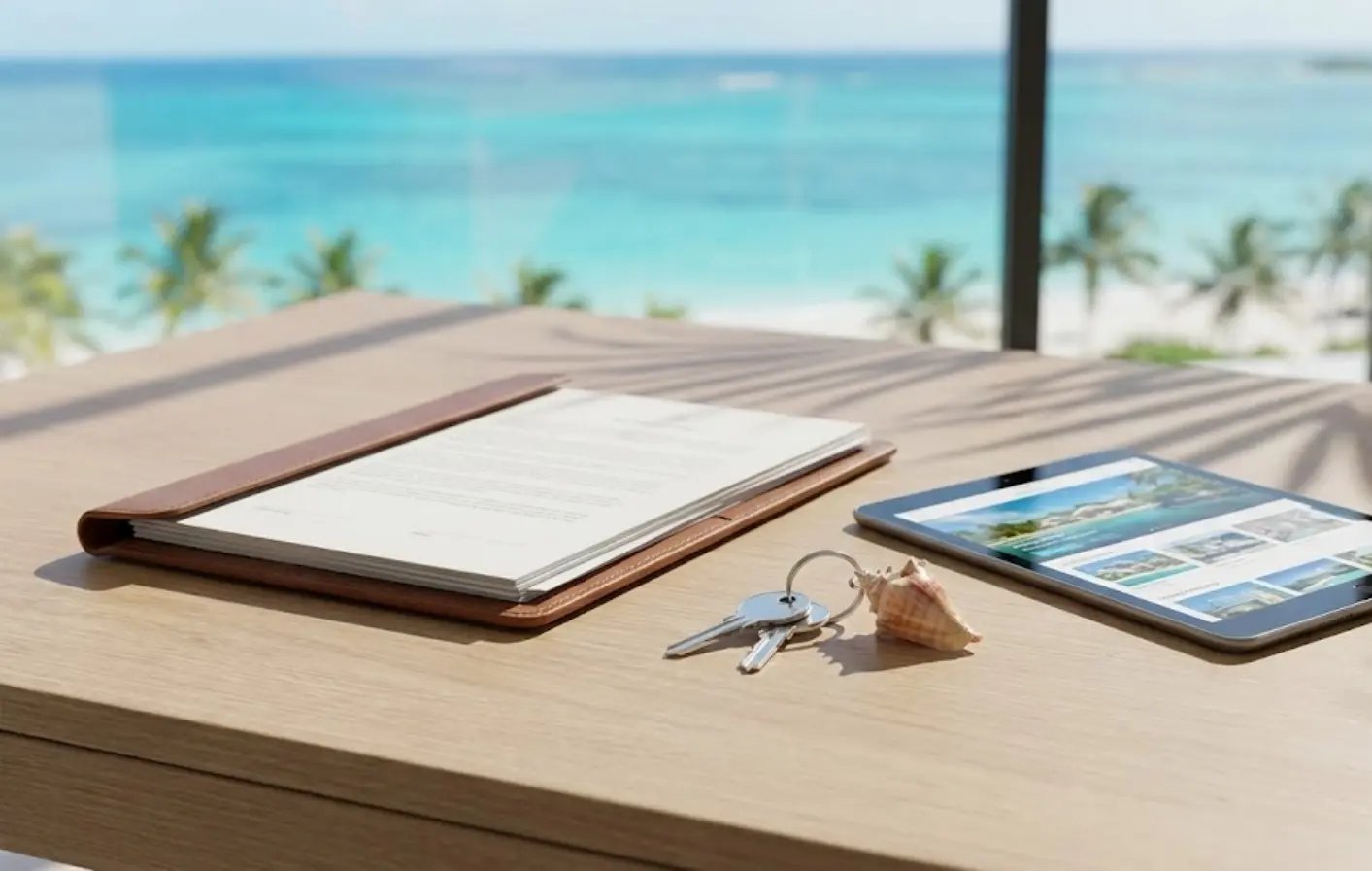
Turning a profit requires active management. Many investors use their homes for personal use part-time and rent them out the rest of the year.
Effective Property Management Strategies
If you are an absentee owner, hiring a property manager is non-negotiable. They handle bookings, cleaning, and guest relations. This is vital for maintaining high ratings on platforms like Airbnb or VRBO.
Protecting Your Investment
Given the tropical climate, maintenance is key.
-
Hurricane Proofing: Ensure the property meets building standards for storm resistance.
-
Insurance: Secure comprehensive coverage that includes wind and flood protection.
-
Preventative Care: Salt air accelerates corrosion; regular upkeep prevents costly repairs.
Strategic Considerations for Long-Term Appreciation
Properties in a gated community or near major amenities (like St Andrew's International School or the University of the West Indies) tend to hold value best. "Unimproved property" (vacant land) may have different tax implications, so build timelines are important.
Can buying property lead to permanent residency?
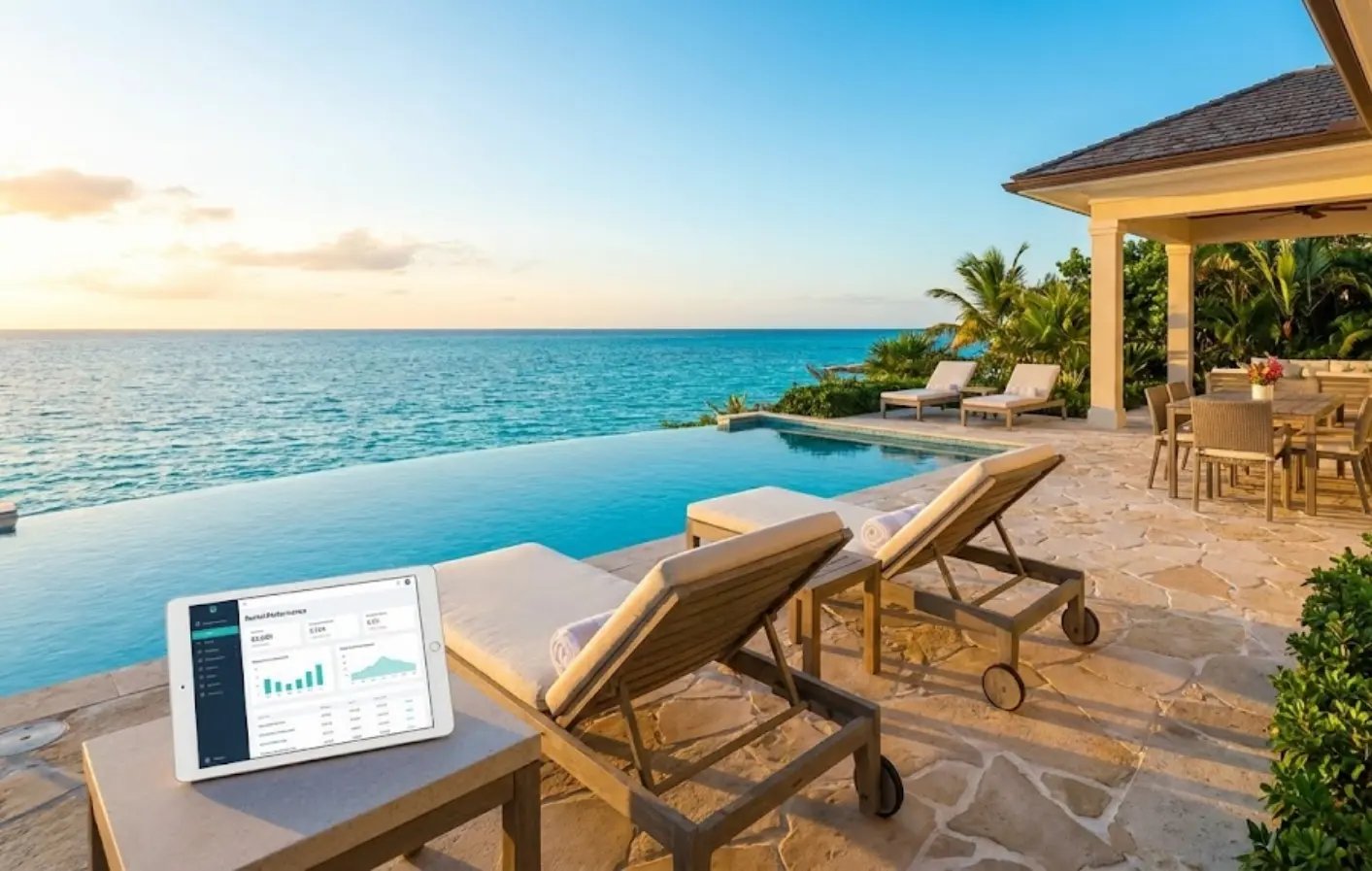
Yes, this is a major incentive. The Bahamas welcomes those who invest in its economy.
Achieving Permanent Residency Through Property Investment
The Bahamas Department of Immigration allows homeowners to apply for an annual Home Owners Residence Card. However, investing $750,000 or more makes you eligible to apply for permanent residency. This status grants you the right to reside permanently and work (if permitted) in the country.
Integrating into the Bahamian Community
Living here means embracing the "island pace." Join local clubs, visit the Heritage Museum of The Bahamas, or dock at Palm Cay to meet fellow expats and locals.
What are the risks of Bahamas property investment?
No investment is risk-free. Being aware of the challenges ensures you go in with your eyes open.
Understanding the "Island Pace" and Bureaucracy
Things move slower here. Bureaucracy at the Ministry of Works or the Exchange Control Department can test your patience. Delays in processing permits or utilities are common.
Environmental Considerations
The Bahamas is a low-lying nation. Climate resilience is a serious factor. Always investigate the elevation of the land and the history of natural disasters in that specific area before buying.
Pro Tips for Smart Investors
-
Currency Check: Always confirm if the price is in Bahamian Dollars or USD (though they are pegged, it matters for transfers).
-
Title Insurance: While not mandatory, purchasing title insurance adds an extra layer of protection.
-
KYC Compliance: Be ready for strict "Know Your Client" checks under the Financial Transaction Reporting Act to satisfy anti-money laundering laws.
Final Thoughts: Your Strategic Advantage
Property investment in the Bahamas is more than a purchase; it's a lifestyle upgrade and a smart tax strategy. By navigating the legal considerations carefully and choosing the right location, you can secure a slice of paradise that works for your wallet.
Whether you are looking for a retirement haven or a high-yield rental, the opportunities are real. Start your search today.
Frequently Asked Questions
Can foreigners buy property in the Bahamas?
Yes, international buyers can purchase property. The International Persons Landholding Act allows foreigners to buy up to five acres for residential use without a prior permit, requiring only registration after the purchase.
What are the property taxes in the Bahamas?
Real Property Tax rates vary based on value and usage. Owner-occupied homes are exempt on the first $300,000 of value. Rates then scale up to a maximum cap. Commercial properties and unimproved land have different rate structures.
Is buying land in the Bahamas a good investment?
Yes, specifically in high-demand areas like New Providence or the Exuma Cays. Land generally appreciates over time, but ensure you understand the costs of developing raw materials and utilities on remote islands.
How much money do you need to invest to get residency in the Bahamas?
To apply for expedited economic permanent residency, you typically need to invest a minimum of $750,000 USD in residential real estate. Investments over $1.5 million receive the fastest consideration.
Is it safe to buy real estate in the Bahamas?
Generally, yes. The legal system is based on English common law, offering strong property rights protection. However, you must use a local attorney to ensure the title is clean and the transaction adheres to all regulations.