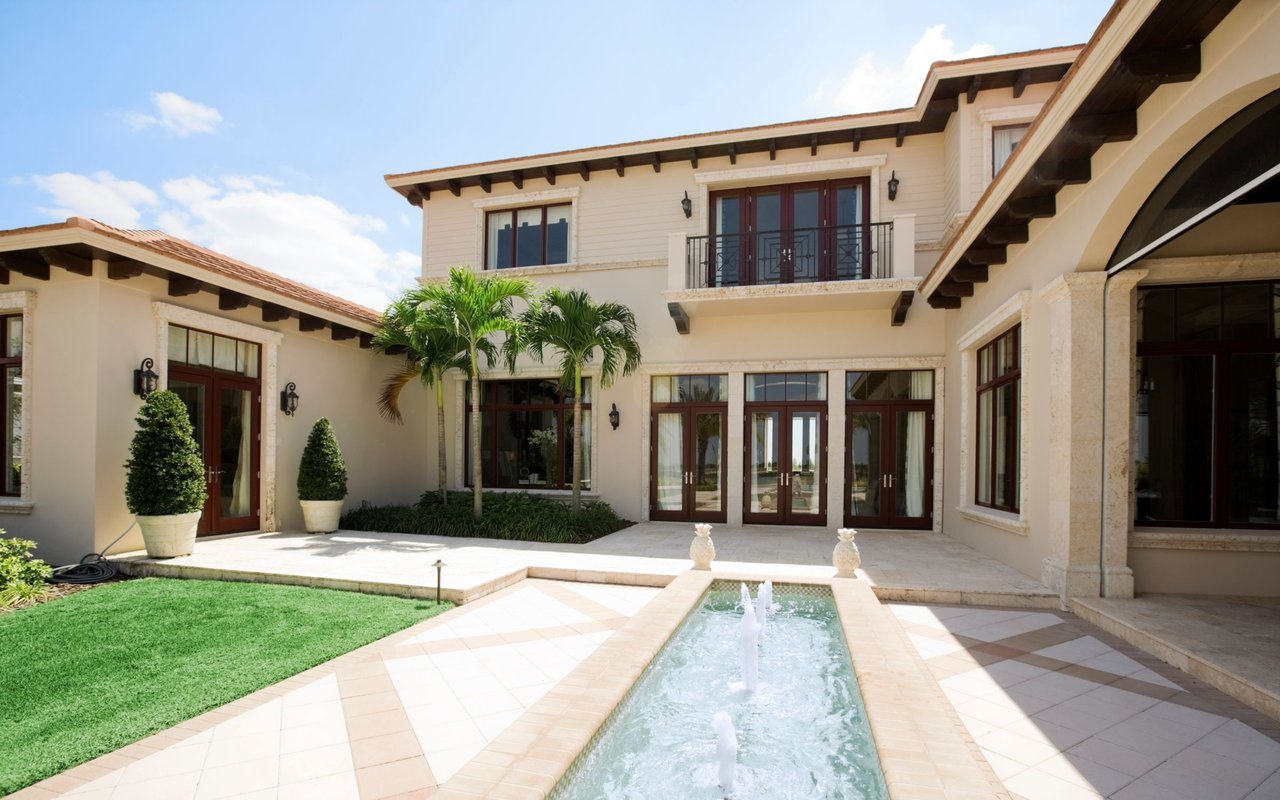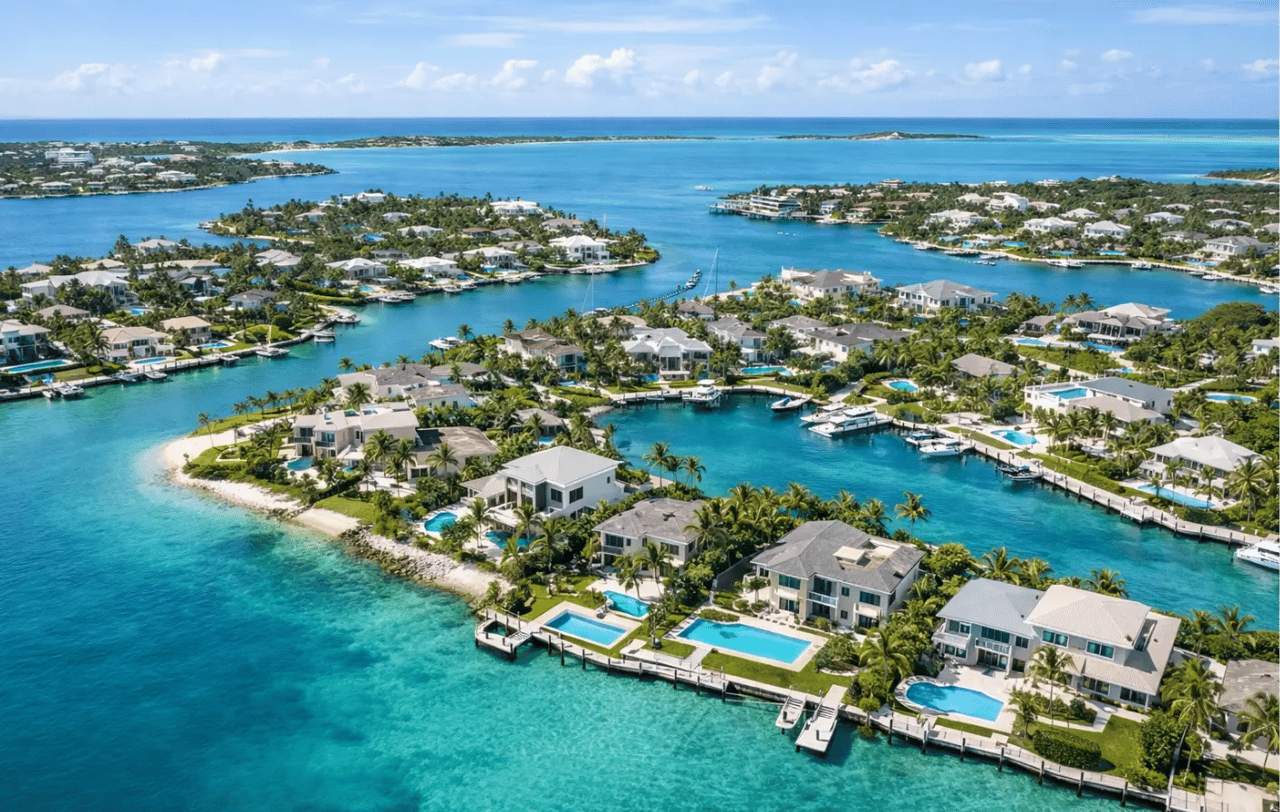
Buy Property Bahamas: Your Complete Guide in 2026
To buy property in the Bahamas style means securing a slice of paradise, often with streamlined processes for international investors. Yes, foreigners can purchase real estate here. For properties under 2 acres, you typically only need to register the purchase, rather than obtain a permit beforehand.
Are you ready to trade city traffic for island breezes? Whether you're seeking a vacation home, a lucrative rental property, or a permanent relocation, navigating the local market requires understanding the International Persons Landholding Act and its specific tax advantages. This guide breaks down every step to help you make a safe, smart investment.
Short Summary
Yes, international buyers are welcome. The process is straightforward: non-Bahamians can purchase residential property of up to two acres for a single-family home without prior government approval (just registration). However, purchasing for commercial use or buying undeveloped land over two acres requires a permit from the Bahamas Investment Authority.
Why Invest in Bahamian Real Estate?
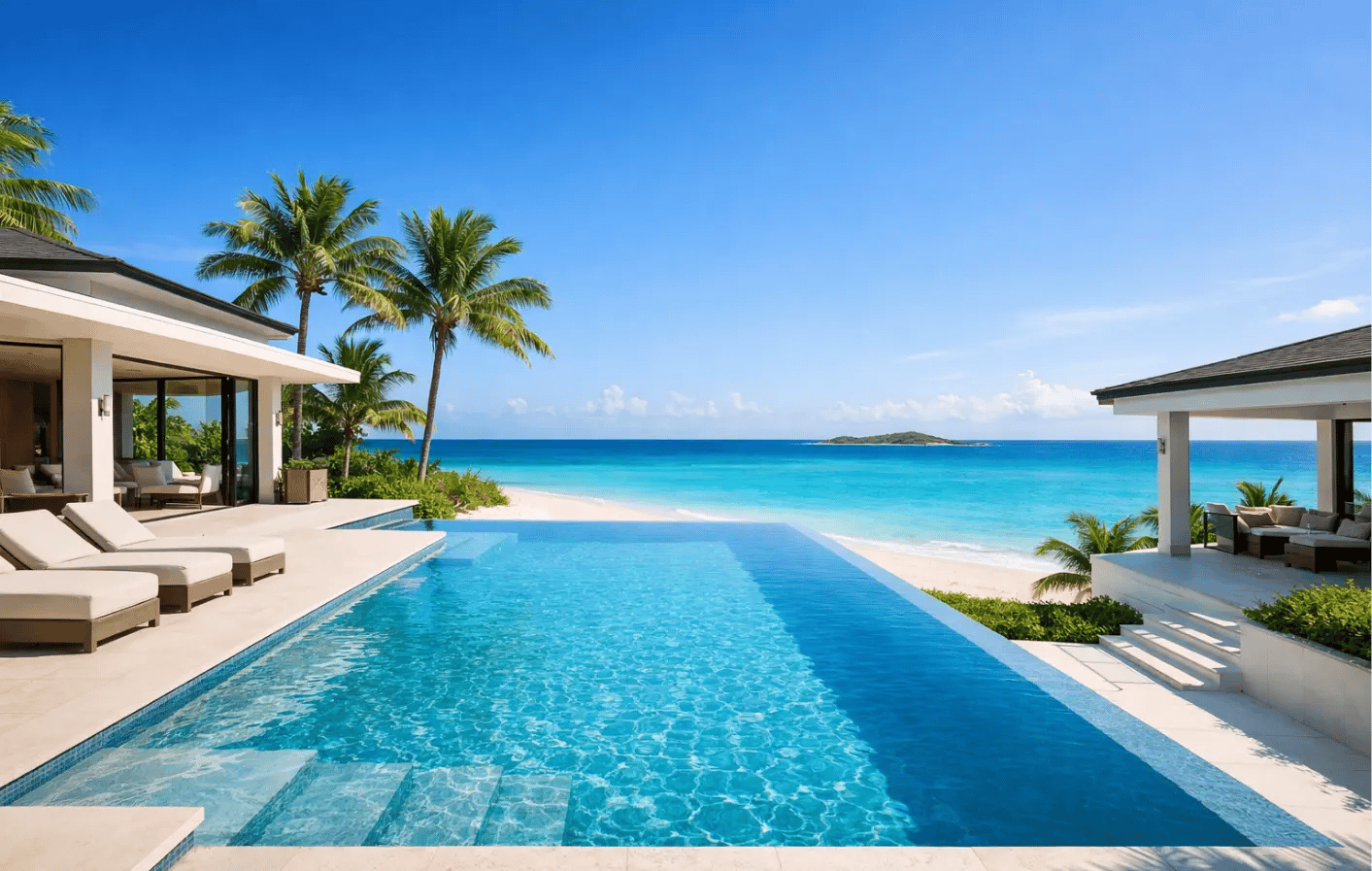
The allure of The Bahamas goes far beyond its turquoise waters. For savvy investors, the islands offer a unique combination of lifestyle appeal and financial incentives that are hard to find elsewhere in the Caribbean.
What are the tax advantages?
The Bahamas is renowned for its tax-neutral status. As a property owner, you benefit from:
-
No income tax
-
No capital gains tax
-
No inheritance tax
This financial environment maximizes the ROI on your luxury property or vacation rental, allowing you to keep more of your earnings compared to other jurisdictions.
Is the lifestyle worth the investment?
Absolutely. From the bustle of Paradise Island to the secluded Exuma Cays, the lifestyle is unmatched. Owning real estate here grants access to world-class fishing, boating, and a slower pace of life. Plus, property ownership can be a pathway to residency, making it easier to enjoy your home year-round.
How Does the Buying Process Work?
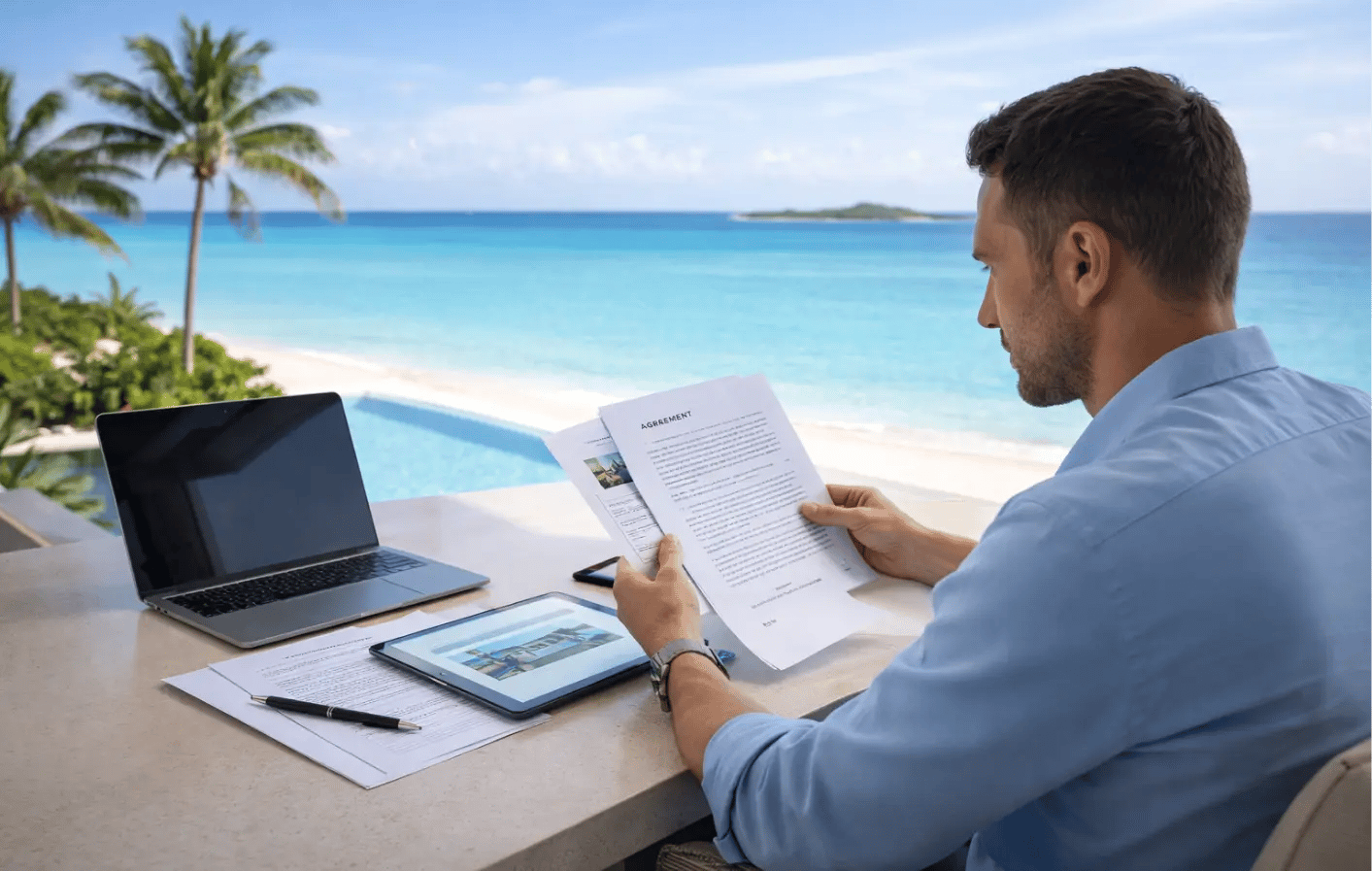
Navigating real estate transactions in a foreign country can feel daunting, but the Bahamian system is based on English common law, which provides a familiar framework for many buyers from the US and UK.
Step 1: Define Your Needs and Budget
Start by narrowing down your search. Do you want a condo in Grand Bahama, a luxury estate in Lyford Cay, or a hideaway in the Family Islands? Determine if you want improved property (a built home) or undeveloped land to build from scratch.
Step 2: Assemble Your Team
You cannot do this alone. You need:
-
A licensed real estate agent (look for BREA licensed professionals).
-
A reputable Bahamian attorney to handle the legalities.
Step 3: Make an Offer and Sign the Agreement
Once you find your dream home, your agent helps you structure an offer. Upon acceptance, a purchase agreement is drawn up. A 10% deposit is standard practice to secure the property while your attorney conducts title searches.
Step 4: Complete Due Diligence
Your lawyer will ensure the seller has a clear certificate of title. This phase also involves checking for any outstanding Real Property Tax or liens.
Step 5: Closing and Conveyance
The final step involves signing the Deed of Conveyance. Your attorney then registers your purchase with the Bahamas Investment Authority and pays the necessary VAT and fees.
What Are the Costs Involved?
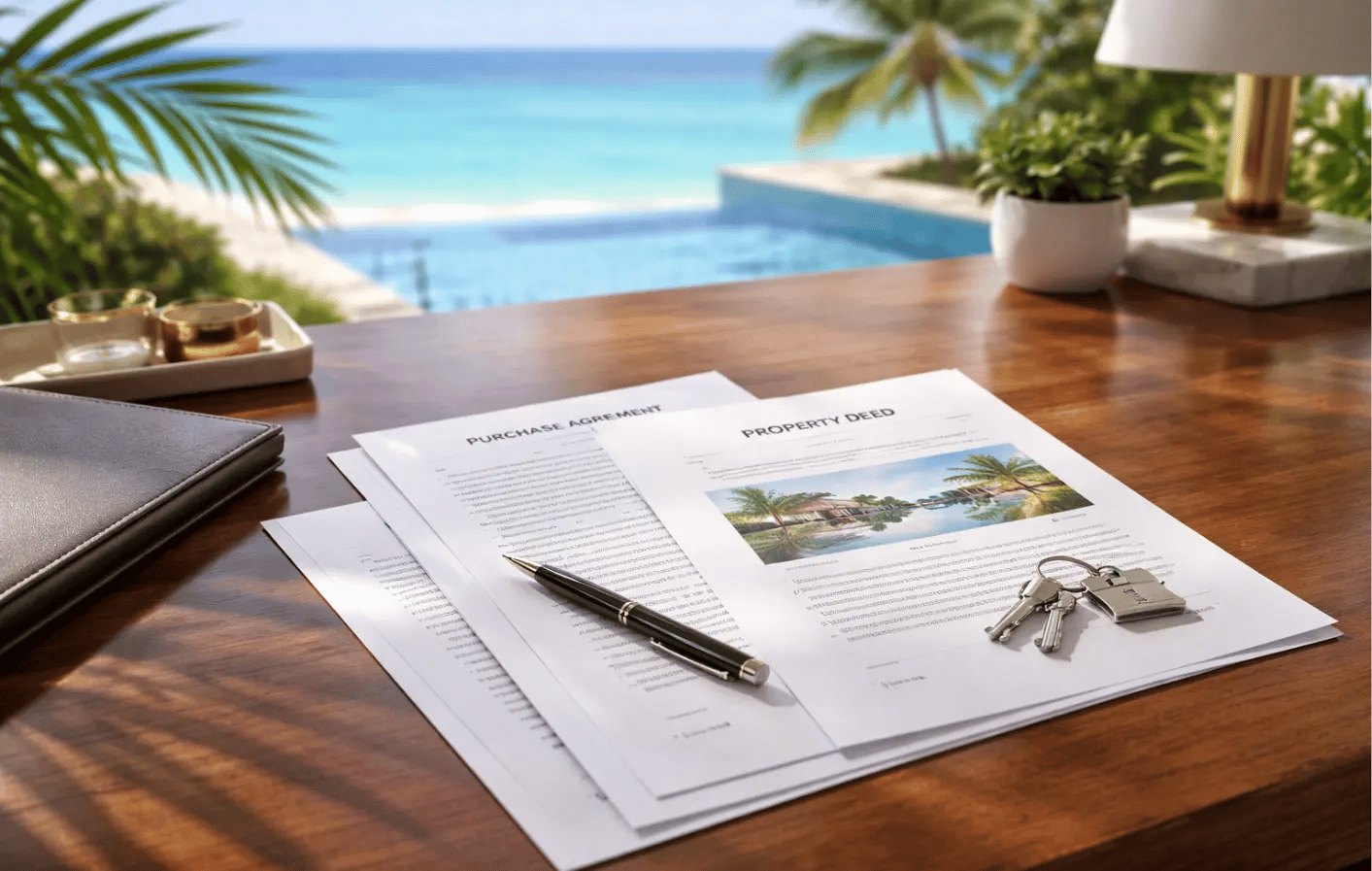
When you buy property in the Bahamas, the list price isn't the final price. You must budget for "closing costs," which are generally split between buyer and seller, though customs can vary.
-
Value Added Tax (VAT): A graduated tax up to 10% on property transfers (usually shared 50/50).
-
Legal Fees: Typically 2.5% of the purchase price, plus VAT.
-
Real Estate Agent Fees: Usually 6-10%, paid by the seller.
Annual Ownership Expenses
Don't forget ongoing costs. You will need to budget for real property tax (rates vary based on value and location), homeowners insurance (essential for hurricane season), and utilities.
Pro Tips: Managing Property from Afar
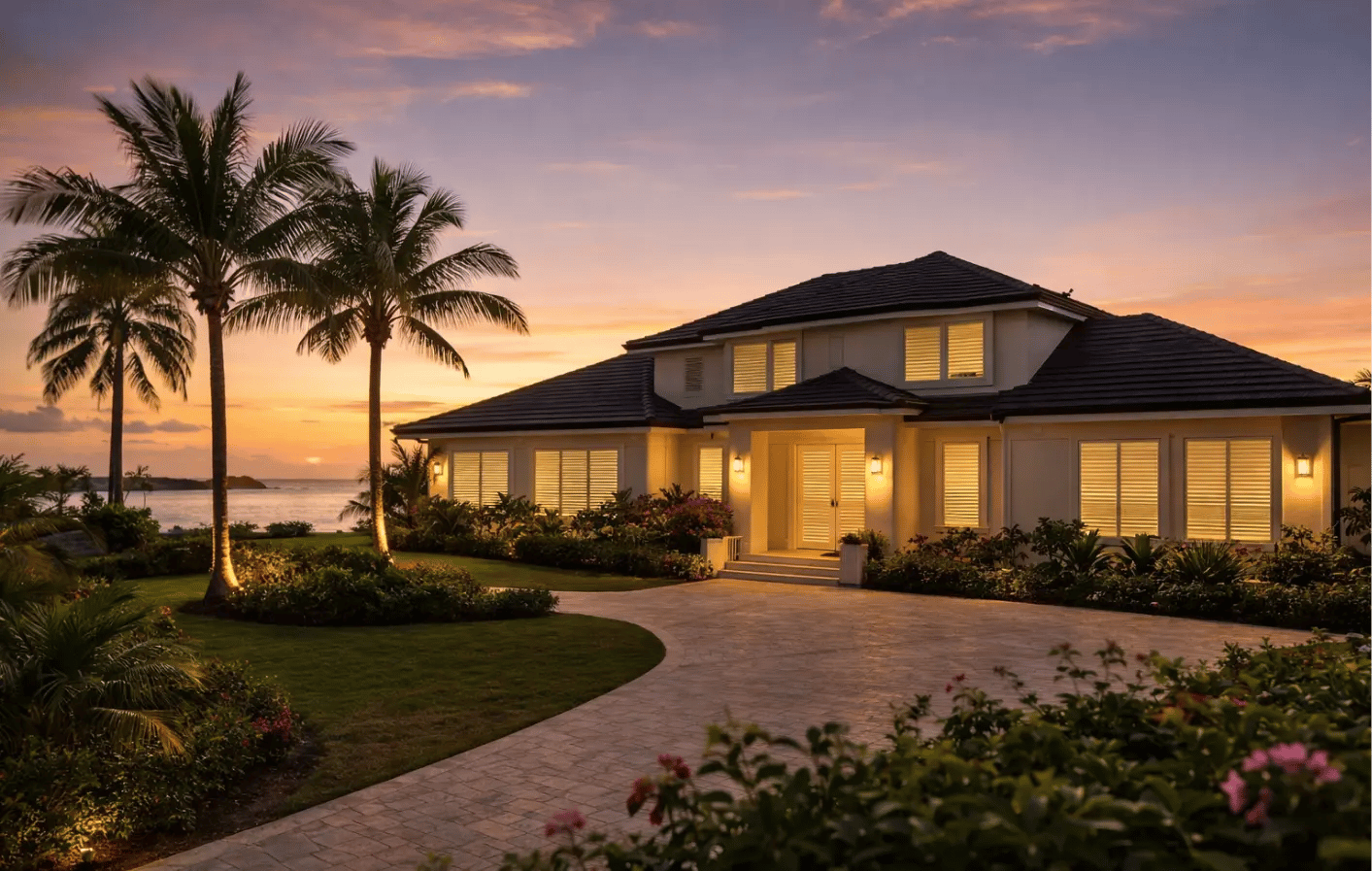
Managing a tropical home remotely requires proactive planning. Here is how to protect your asset:
-
Hire a Property Management Company: Especially if you plan to rent out the home. They handle tenant turnover and emergency repairs.
-
Prioritize Maintenance: Salt air is corrosive. Regular upkeep is vital to prevent rapid depreciation.
-
Secure Comprehensive Insurance: Ensure your policy covers flood and wind damage specifically.
-
Hurricane Proofing: Invest in shutters and impact-resistant windows immediately.
Final Thoughts on Investing in Paradise
Deciding to buy property in the Bahamas is a significant financial and lifestyle decision. The market offers stability, tax neutrality, and incredible beauty, but due diligence is key. Don't skip steps on legal verification or structural inspections. With the right team of professionals, your dream of an island home is well within reach.
Author Bio:
Expert Real Estate Writer
I am a specialized content creator with years of experience covering Caribbean real estate markets. My focus is on providing actionable, transparent advice to help international buyers navigate foreign property laws and investment opportunities safely.
FAQ:
Can I get residency if I buy property?
Yes. Owners of residences valued at $750,000 or more get speedy consideration for permanent residency.
Do I need a permit to buy land?
Only if the land is undeveloped and over two acres, or if you plan to rent it out commercially. Otherwise, you just need to register the purchase.
Are US dollars accepted?
Yes, the Bahamian dollar is pegged 1:1 with the US dollar, and US currency is accepted everywhere.
Is financing available for foreigners?
Yes, local banks offer mortgages in the Bahamas for international buyers, though they often require a higher down payment (30-40%) than you might be used to.
Is title insurance necessary?
While not mandatory, it is highly recommended to protect against any unforeseen defects in the title history.